




Online Consultation
Please accurately enter the information below.
Quick Cost Consultation
Quick Consultation & Reservation
Cases finding
similar to my profile






Cases finding
similar to my profile
Customer Diagnostics
How Long Do Bruises Last After Thigh Liposuction?
2023-01-27
163cm / 56kg / bmi 21
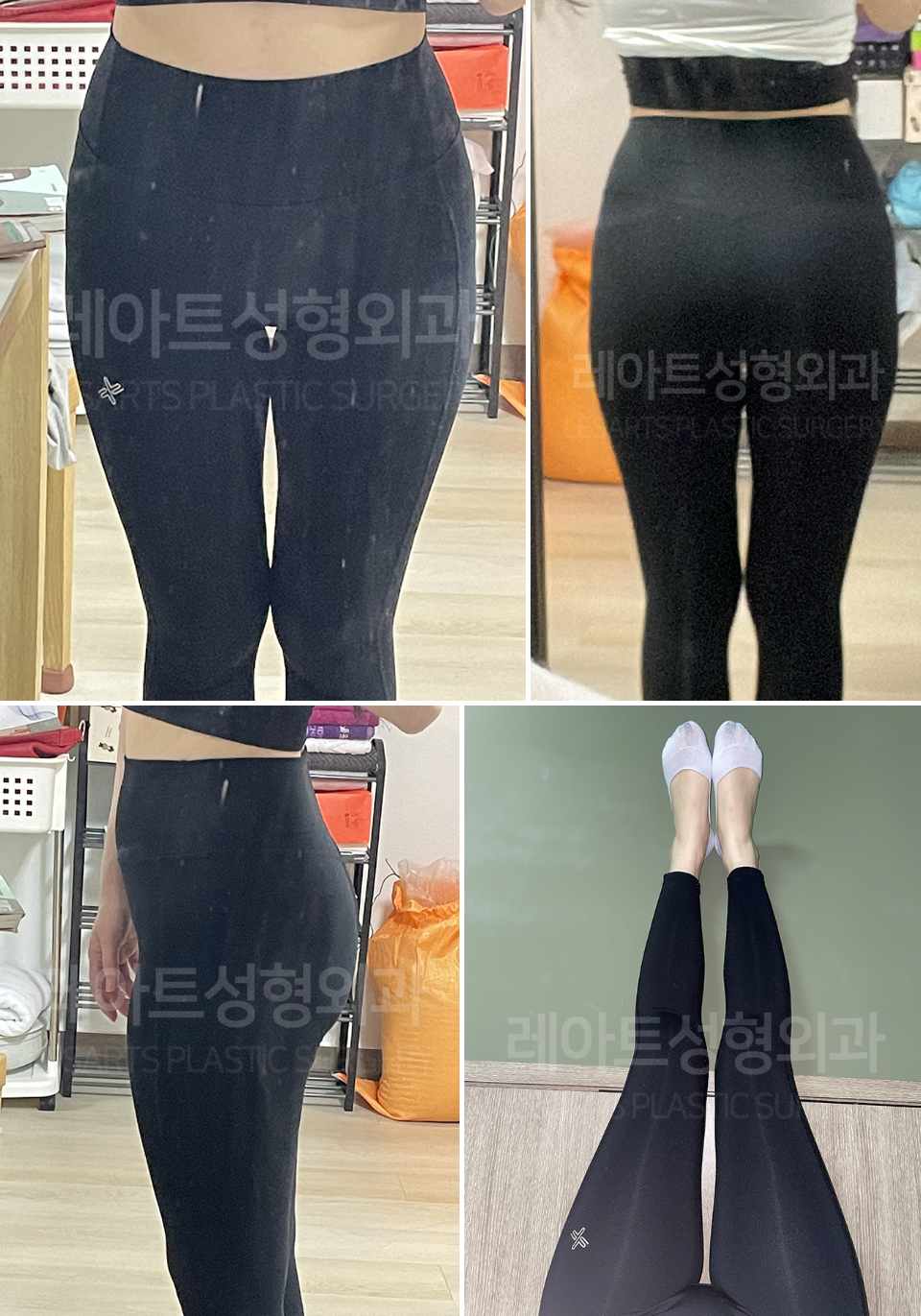
Before surgery

On the day of surgery
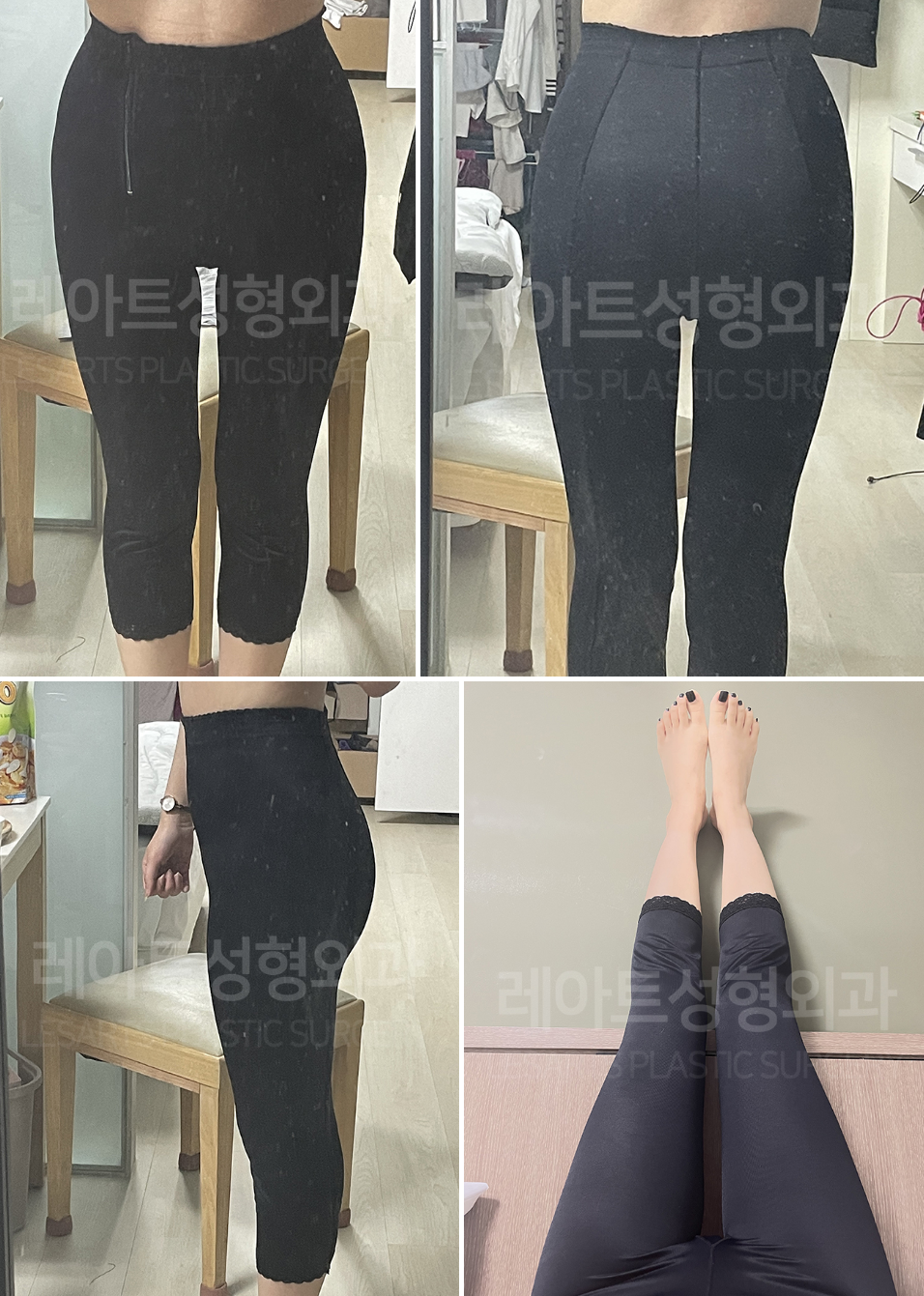
60 days
Patients considering thigh liposuction
often have serious concerns
about the recovery period.
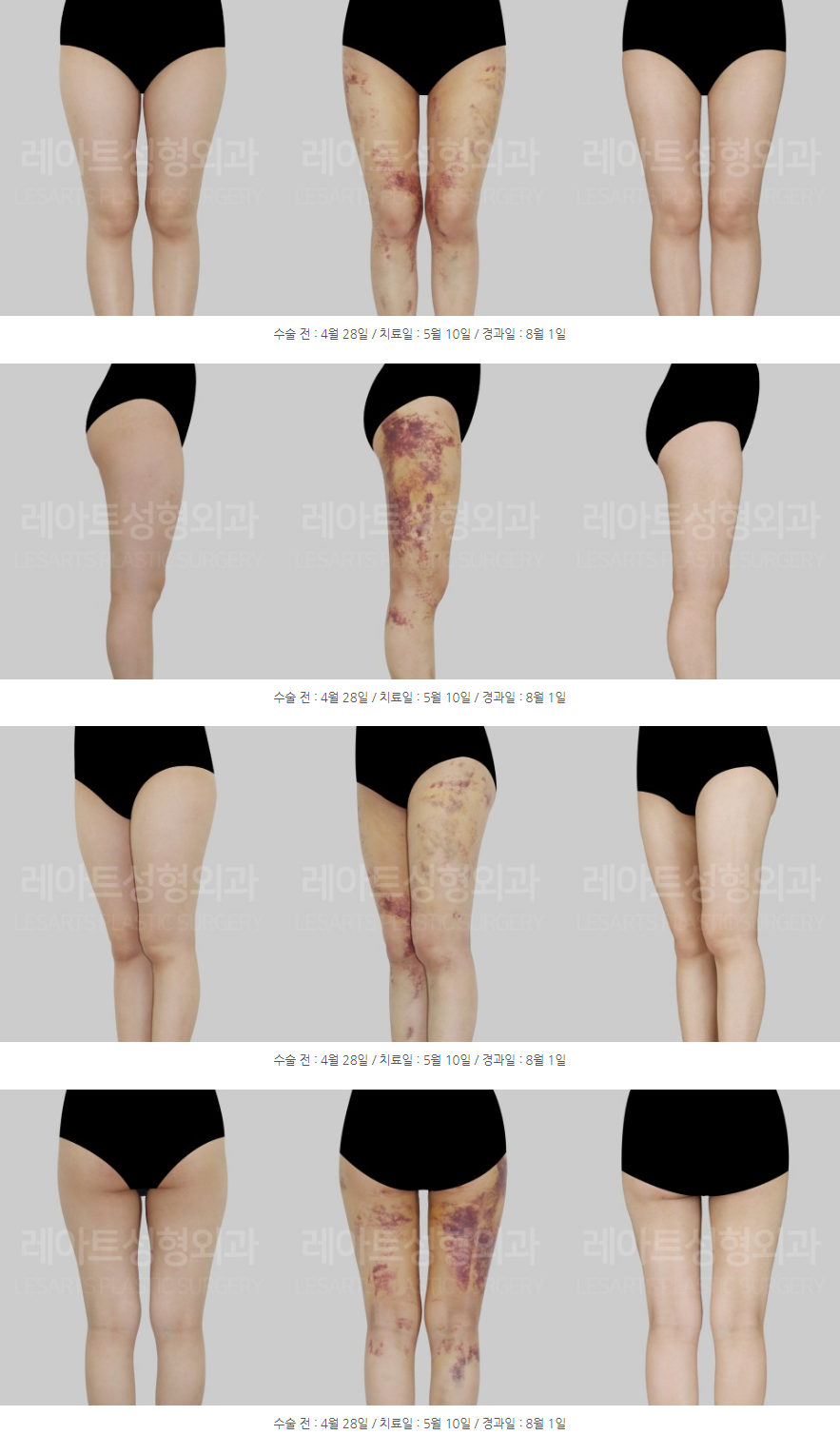
Typically, by the second week after surgery,
bruising, swelling, and bio-bond stiffness
are at their most intense.
Starting from the fourth week,
you may notice that bruises fade,
swelling goes down,
and bio-bond buildup begins to settle.
In rare cases,
bruising may be minimal even by week 2,
but most patients experience
significant bruising and swelling
as seen in the case above.
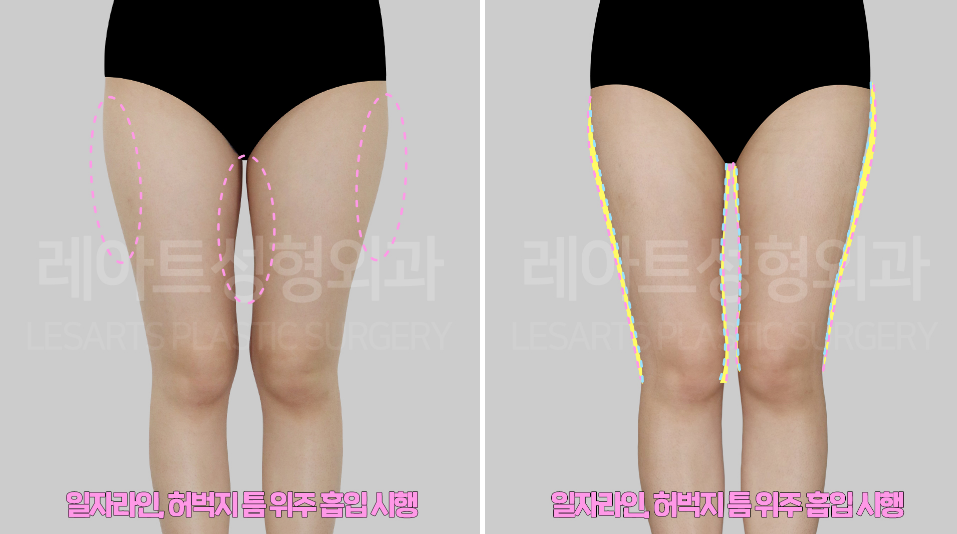
This patient wished to achieve
a visible thigh gap and a straight leg line,
while maintaining a natural curve
along the pelvic contour.
Many patients who consider
thigh liposuction hope for a line
that combines slim, straight legs
with a gently curved hip silhouette.
While some prefer a sharply skinny look
with no extra volume,
others prioritize enhancing the hip line
for a more balanced body shape.
For this patient, we left a small amount of fat
to support the curve of the hips,
while removing as much as possible
from the thighs to create a long, slim leg line.

As seen in the 2-week post-op photo,
the patient experienced extensive bruising
following thigh liposuction.
Such bruising and swelling tend to
travel downward due to gravity,
often spreading to the calves and feet,
even if those areas were not treated.
That’s why liposuction is not just a quick procedure—
it requires proper post-op care
to achieve the best results.
By the 4-month mark, this patient’s skin tone
returned to normal with no lingering discoloration.
In this case, a total of 3,200cc
was removed from the thighs
through targeted fat removal surgery.
#Liposuction #Etc
#Thigh #Etc
#Straight leg #Thigh Gap #Lateral thigh #BMIbelow30(thigh)


Cases finding
similar to my profile
Customer Diagnostics


Select the surgery and
area you are interestedto see real
before andafter changes.


we
make you,
the art
Clinic hours
MON - FRI
10 am – 7pm
SAT
10 am – 4pm
Holiday
SUN, HOLIDAY
Location
Lesarts Moon Clinic Tower 4-5F, 40, Nonhyeon-ro 168-gil,
Gangnam-gu, Seoul, Republic of Korea

Medical institution name Lesarts Plastic Surgery
Address Lesarts Moon Clinic Tower 4-5F, 40, Nonhyeon-ro 168-gil, Gangnam-gu, Seoul, Republic of Korea
Representative Moon sung jun
