




Online Consultation
Please accurately enter the information below.
Quick Cost Consultation
Quick Consultation & Reservation
Cases finding
similar to my profile






Lesarts Scar Reconstruction | C-Section Scar Revision, Adhesion & Step-off Correction
Becausea C-section scar
is a precious memory,
trust it to a scar specialist.

Because a C-section scar
is a precious memory,
trust it to
a scar specialist.
Behind the joy of meeting your baby and watching them grow,
Worries about “me”
The beauty as a mother and the beauty as a woman.
Because you shouldn’t have to lose either,
Lesarts Scar Healing Center
carefully restores C-section scars
the precious marks of meeting your child
so they do not remain as a mother’s wound,
through detailed treatment and surgery.
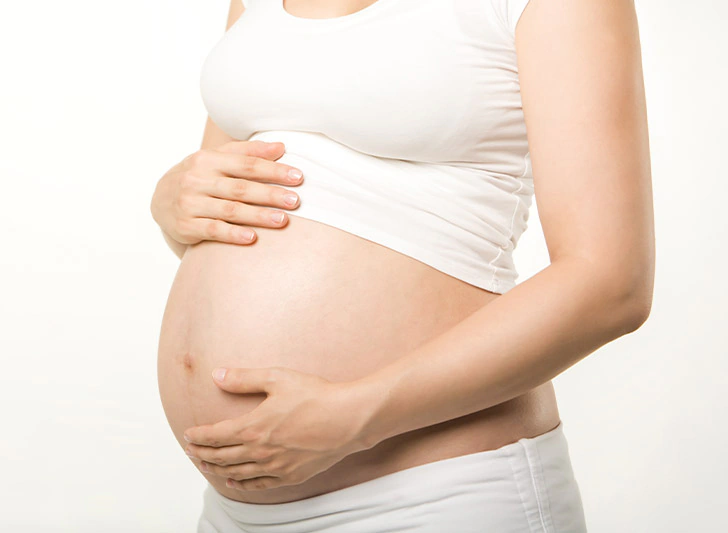
Lesarts Scar Specialist,
Why, Lesarts?
Customized skin incision
Blood-flow–stabilizing closure
Fine suturing to prevent dents or bumps
Care for the memories you shared with your child now
take care of yourself.
10-month scar care commitment program.
If your scar doesn’t bother you, reconstruction surgery
isn’t necessary.
But it can remove uncomfortable lumpiness, pain, or itching,
and correct a poorly healed scar to bring greater comfort and
satisfaction in daily life.
Lesarts Scar Specialist,
Why, Lesarts?
Customized skin incision
Blood-flow–stabilizing closure
Fine suturing to prevent dents or bumps
Care for the memories you shared with your child now take care of yourself.
10-month scar care commitment program.
If your scar doesn’t bother you, reconstruction
surgery isn’t necessary.
But it can remove uncomfortable lumpiness, pain,
or itching, and correct a poorly healed scar to
bring greater comfort and satisfaction in daily life.
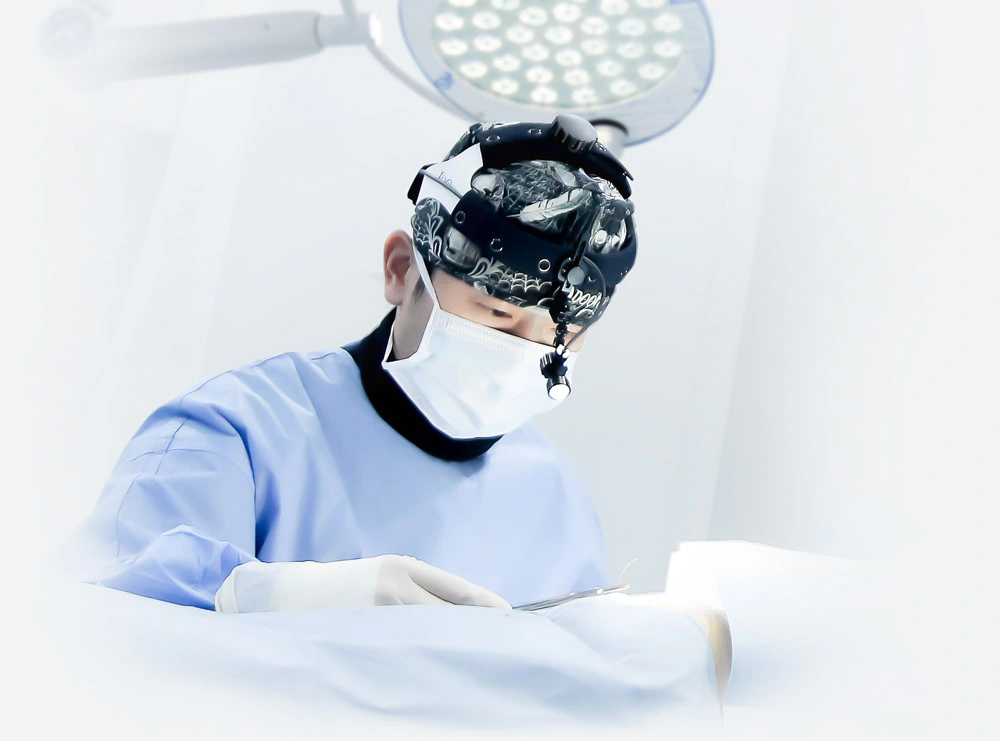
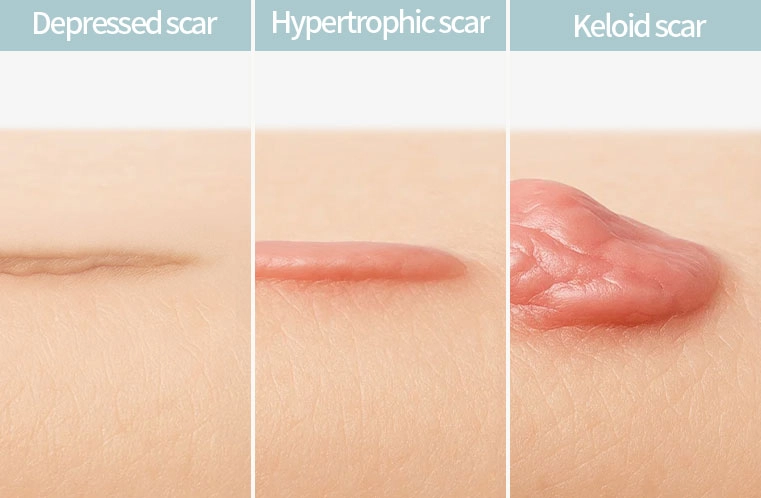
Keloid
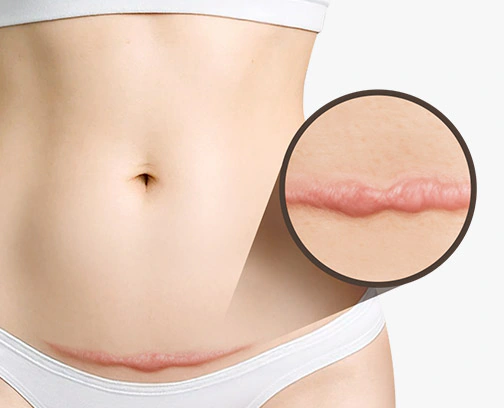
accompanied by pain, inflammation, and itching
Hypertrophic 01
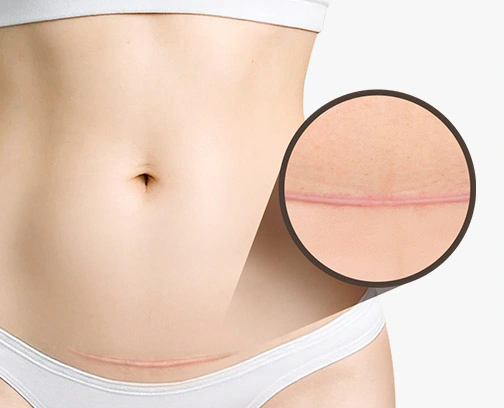
with no associated symptoms
Hypertrophic 02
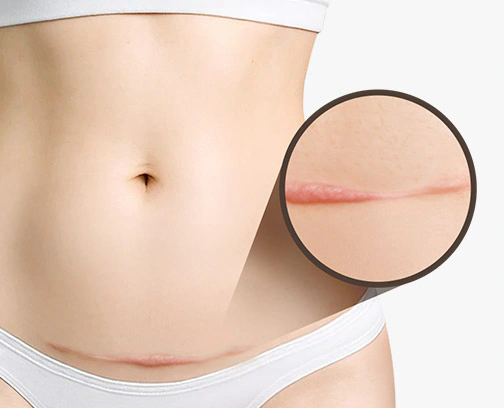
with no associated symptoms
Depressed
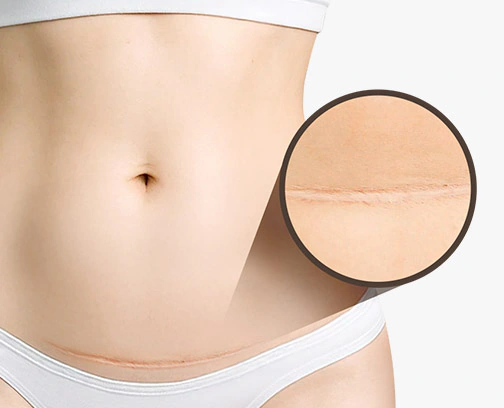
with no associated symptoms
"C-section scar reconstruction that only Lesarts can do,
after operating on, suturing, and caring for countless scars so they heal into better scars.
That’s why it’s more special."
Lesarts Solution
C-section scar treatment methods
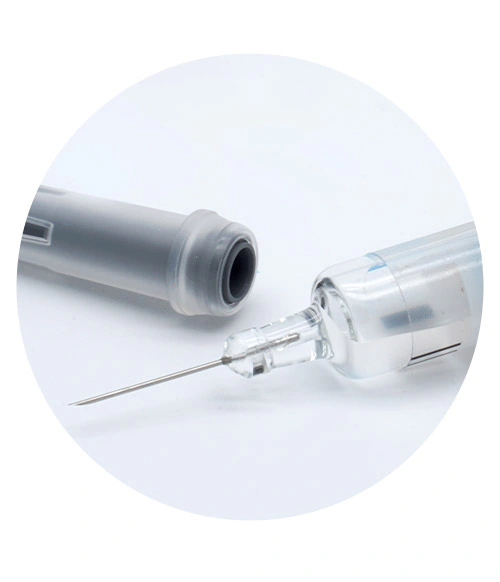
Injection
therapy
Suitable when the scar is not severely raised
and there is no adhesion to surrounding tissue.
Usually 1–3 sessions.
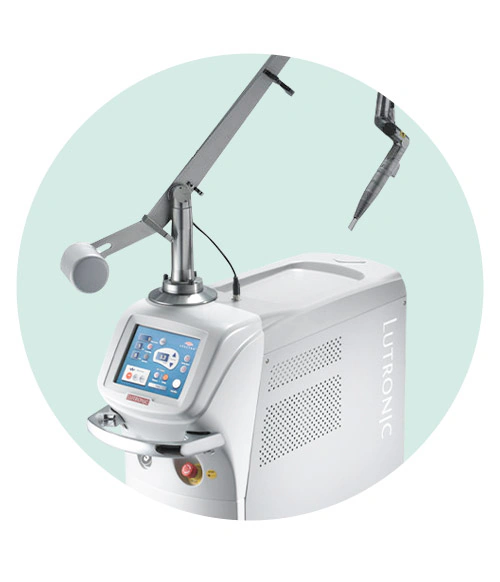
Laser
therapy
Suitable when the scar is not severely raised
and there is no adhesion to surrounding tissue.
Usually 1–3 sessions.
Reconstruction
surgery
Suitable when the scar is severely raised and there is adhesion to surrounding tissue or accompanying symptoms.
C-section scar reconstruction
C-section scar reconstruction surgery is not a simple process
of cutting out the scar and re-suturing it.
It is a delicate surgical procedure that must
comprehensively consider
the recovery state of damaged tissue,
as well as the tension, thickness,
and elasticity
of the surrounding skin.
Depending on the extent of adhesion tissue
or the scar range caused
by the previous surgery,
the depth and direction of the incision line
and the suturing method will vary,
and advanced skill is required
to
accurately assess and adjust these variables.
C-section scar reconstruction surgery information
Surgical Area
Lower abdomen scar reconstruction
Anesthesia
Sleep anesthesia
Duration
1.5 hours or more on average
Hospital Stay
Same-day discharge
Recovery
Daily activities possible within one week after discharge
※ Surgery time, hospital stay, bruising, swelling, scarring, and pigmentation may vary by individual.
C-section scar reconstruction surgical method
Scar
removal
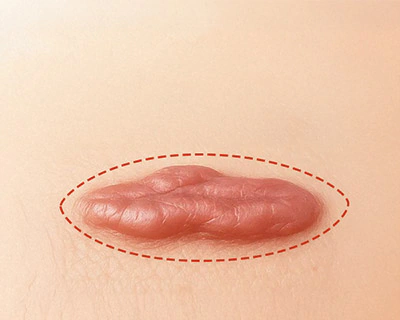
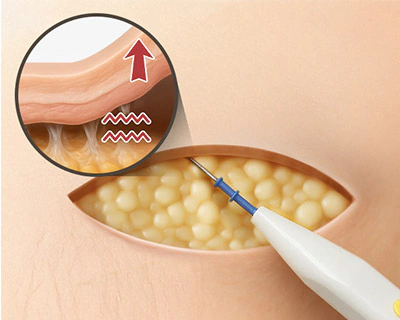
Skin release around the scar
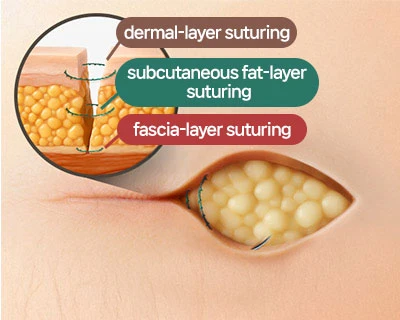
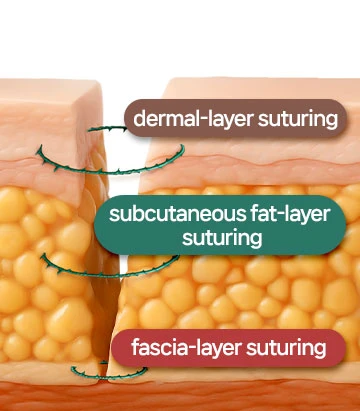
Secret triple-layer suturing
Dermabond application
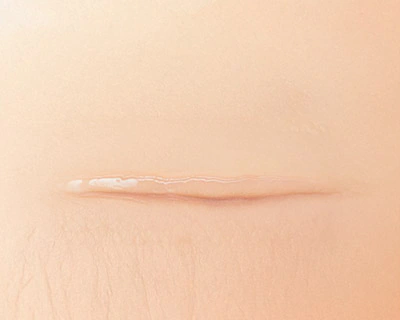
※ Depending on the condition, fine surface suturing may also be done.
Why are plastic surgery scars different?
It comes down to the difference in incision and suturing techniquesthat shape the skin and handle the sutures (threads).
Plastic surgery is a field that deals with scars.
Because the purpose and goals of the surgery are different,
we carefully determine the direction, depth, and length of the incision
by considering body movement, skin elasticity, tension,
and the uniformity of the skin layers
Lesarts scar suturing is performed with precise incisions,
using customized sutures selected according to the depth.
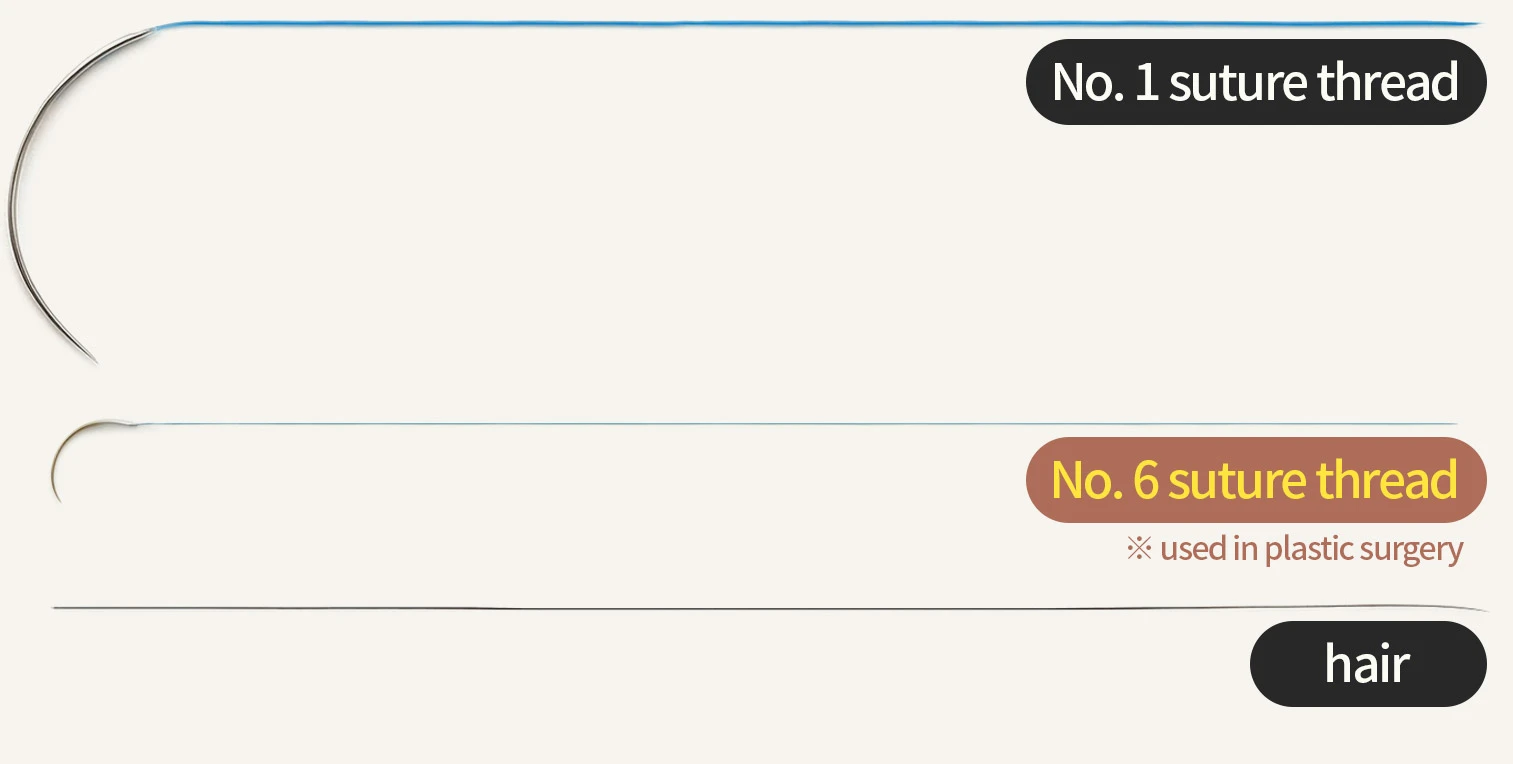
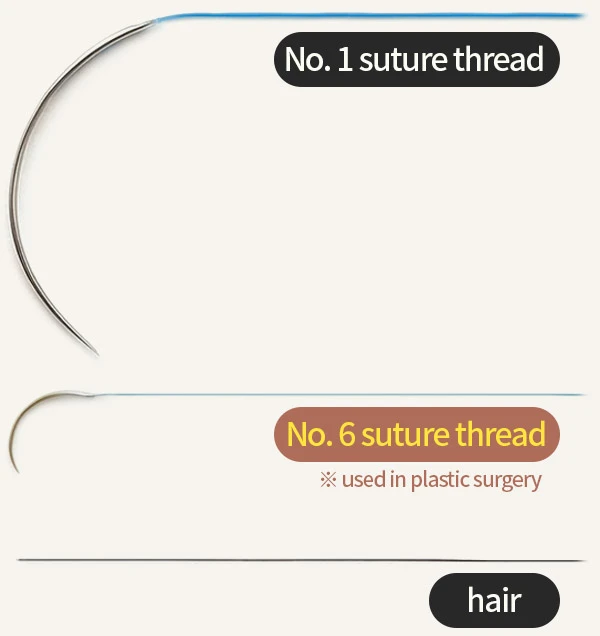
Especially as we get closer to the skin surface,
we use sutures thinner than a human hair to minimize scarring
Through a multi-layered, layered-fixation method, we prevent shifting and
widening,
which are key causes of scar enlargement.
This precise suturing technique tailored to blood-flow stability
and each patient’s skin type reduces scar thickness
and minimizes deformation of the surrounding skin tissue.
Comparison of surgical sutures
Solve two concerns at once
Dual correction for C-section scars
01
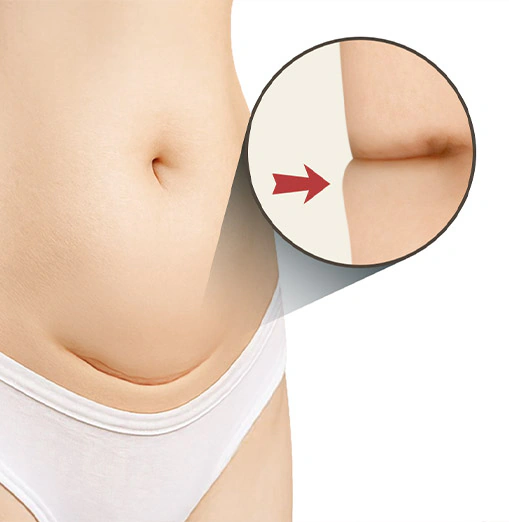
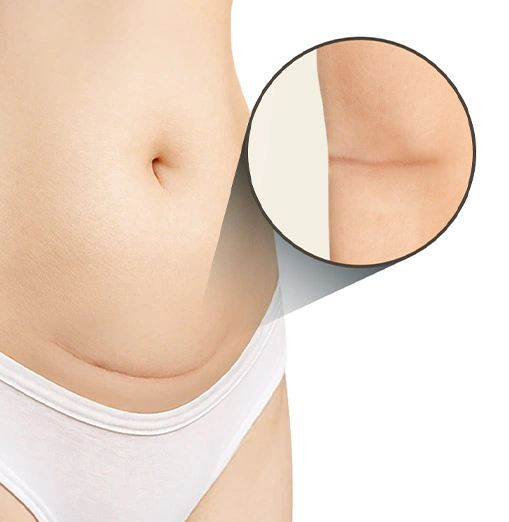
For a natural, smooth lower-abdominal line
C-section scar & step-off correction
for a layered step-off divided by the scar
This surgery corrects both the C-section scar and the step-off that
formed along the scar line. Rather than simply excising the scar
and pulling the step-off area together to suture it, we use a detailed incision
method suited to the condition, such as a vertical or diagonal incision.
We also adjust skin positioning by considering the dissection range
of the upper and lower skin layers and the tension between them.
Through this, the scar is cleanly reconstructed, and the step-off formed
around it is resolved, so the scar and surrounding area connect smoothly.
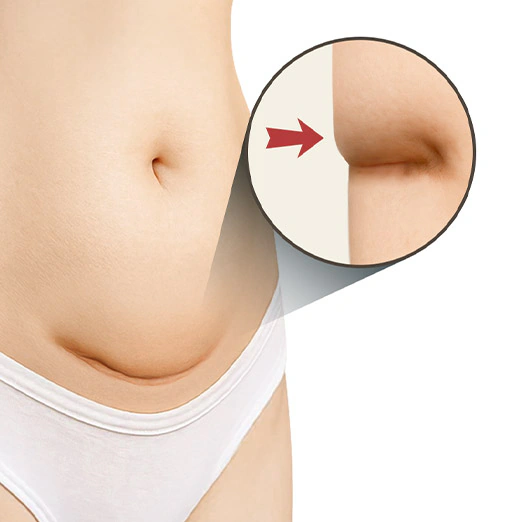
Upper protrusion
Lower protrusion
After correction
Solve two concerns at once
Dual correction for C-section scars
02
From an uneven abdomen to a smooth abdominal line
C-section scar & adhesion (lumpiness) correction
caused by scars and adhesions
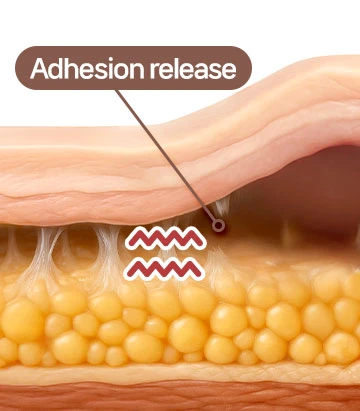
This surgery corrects both the C-section scar and adhesions at the same time.
Along with scar reconstruction, it also releases and corrects
the tightly tangled, hardened tissue that has formed around the incision line.
At Lesarts, we carefully release the adhesion areas to remove the hardened,
clumped tissue. After performing adhesion-prevention treatment
inside the skin, we finish with precise scar reconstruction.
Through this, the abdomen is corrected into a smooth, flat line
with reduced lumpiness and pulling.
We proceed with the surgery through precise scar reconstruction.
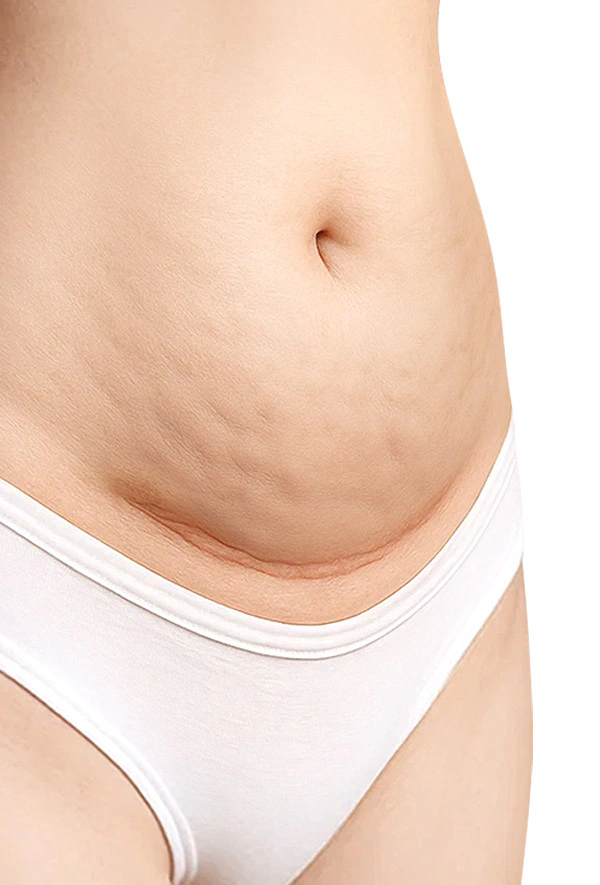
Before correction
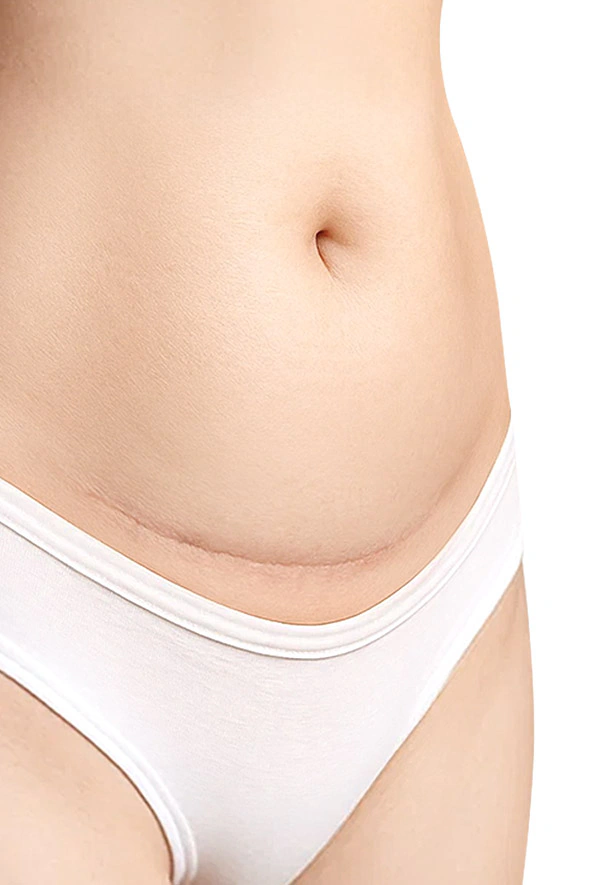
After correction
Adhesion diagnosis
& location check
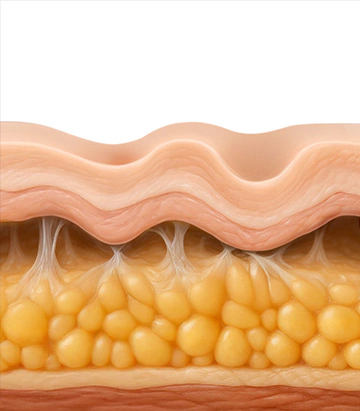
Skin and fat-layer
release
Layered re-suturing
& correction
Dermabond
application
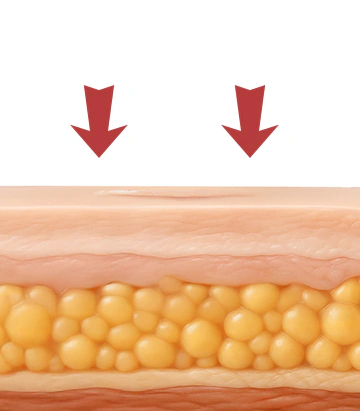
※Depending on the condition, fine surface suturing may also be performed.
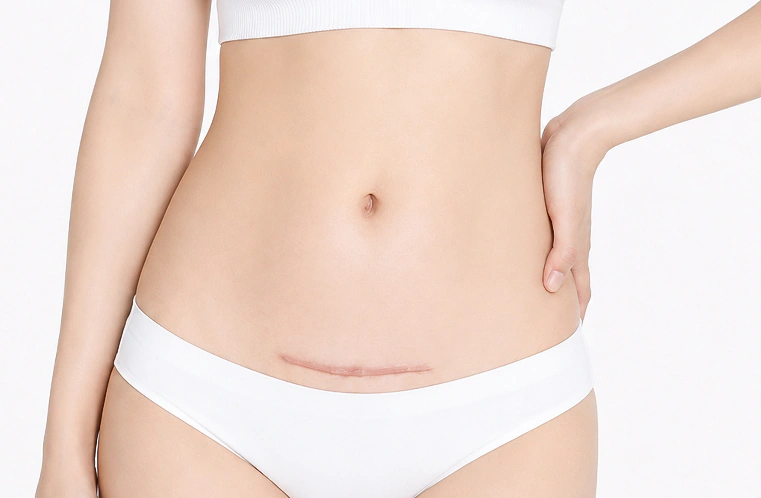
Can a C-section scar be improved with surgery?
Yes. Depending on the condition of the C-section scar, the existing scar can be removed and reconstructed with a new incision line for a more natural result. However, the goal is not to erase the scar completely but to improve its shape and position, and the surgical method may differ depending on the size of the scar and your skin condition.
When is C-section scar reconstruction needed?
Scar reconstruction can be considered when the abdominal line is not smooth because the C-section scar has widened or there is a depression, step-off, skin fold or adhesion. Rather than correcting only the scar, the goal is to improve the surrounding tissue as well for a more natural abdominal line.
Frequently Asked Questions
Frequently Asked Questions (FAQ)
Yes. When a C-section scar adheres to the tissue beneath the skin, the skin can feel pulled or uncomfortable when you move. In such cases, the adhered tissue is released and the scar is reconstructed to make skin movement and the abdominal line more natural.
Yes. If the scar is depressed or there is a height difference with the surrounding skin, scar reconstruction can reduce the step-off and create a more natural abdominal contour. However, the degree of improvement can vary with the depth of the scar and your skin condition.
Redness or firmness may be present early after surgery, but over time the scar tissue stabilizes and gradually takes on a natural color and shape. It varies with your skin characteristics and recovery speed, but consistent scar care helps a natural recovery.
Yes, scar care after surgery is very important for recovery. Following our medical team’s guidance on scar care and regular follow-up helps you expect a more stable recovery and a natural scar, and additional scar treatment may be combined if needed.
Essential pre-surgery check
There are many different factors and forms even in
C-section scars.
The process of checking the right treatment method and whether
surgery is necessary is essential, and understanding
scar care and the long recovery process is also an
important part.
Scar care takes as long as the care period after a tummy tuck,
with customized care and ongoing follow-up.
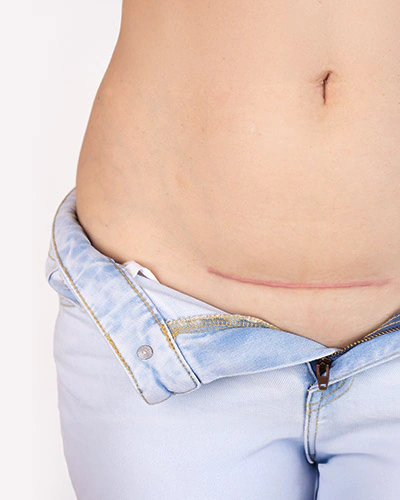
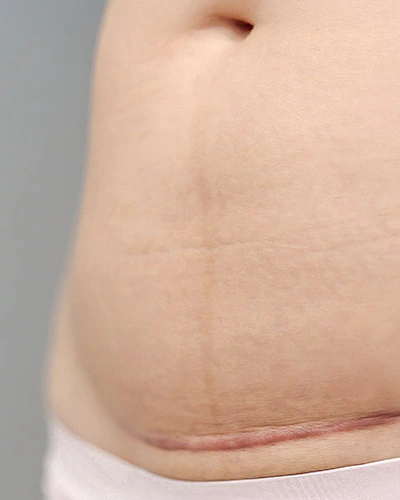
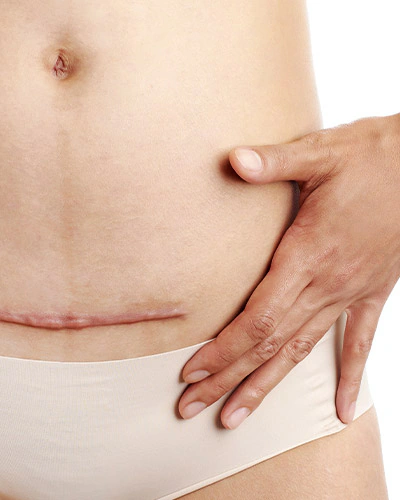
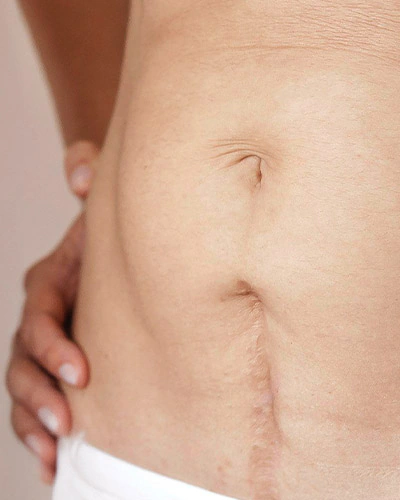
Scar reconstruction
C-section scar reconstruction process
Suitability check
In addition to basic tests,
we perform blood level tests, cholesterol,
ECG,
diabetes, and thyroid hormone tests.
※ If abnormal or unsuitable results are found, the surgery will not proceed.
Surgical design
Based on diagnosis of scar condition,
degree of tissue adhesion, step-offs, and
other factors, we create a customized
surgical design, prioritizing safety and results.
Surgery
A medical team and staff,
managed under a 100% surgeon-
responsibility system, perform
the surgery safely and accurately.
Recovery care
Through our postoperative care program,
a dedicated medical team supports you
for stable recovery.
Detail, Private, and Art
Lesarts Scar Healing Center works to erase
uncomfortable memories
and improve quality of life
through constant care and research.
With the goal of healing beyond treatment,
we listen closely
to each and every patient’s voice,
providing care in the most comfortable and
safe environment.
We provide private waiting and recovery rooms,
along with the latest equipment
and
advanced testing and diagnostic programs,
to
promise both safety and results
so you can undergo surgery with confidence.
Medically reviewed by Dr. Sungjun Moon, Board-certified Plastic Surgeon


Cases finding
similar to my profile
Customer Diagnostics


Select the surgery and
area you are interestedto see real
before andafter changes.


we
make you,
the art
Clinic hours
MON - FRI
10 am – 7pm
SAT
10 am – 4pm
Holiday
SUN, HOLIDAY
Location
Lesarts Moon Clinic Tower 4-5F, 40, Nonhyeon-ro 168-gil,
Gangnam-gu, Seoul, Republic of Korea

Medical institution name Lesarts Plastic Surgery
Address Lesarts Moon Clinic Tower 4-5F, 40, Nonhyeon-ro 168-gil, Gangnam-gu, Seoul, Republic of Korea
Representative Moon sung jun
