




Online Consultation
Please accurately enter the information below.
Quick Cost Consultation
Quick Consultation & Reservation
Cases finding
similar to my profile






Cases finding
similar to my profile
Customer Diagnostics
Does your chest look more prominent in just a t-shirt?
2025-06-18
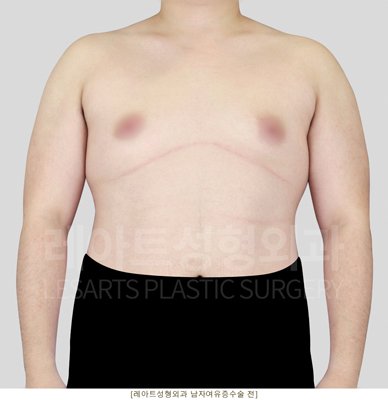
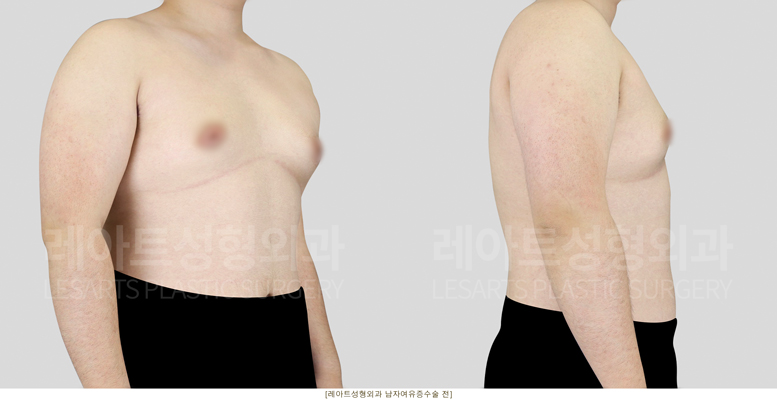
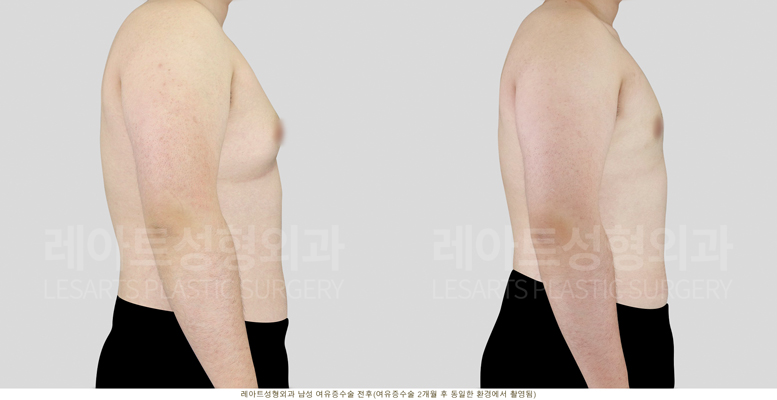
Surgical plan was explained as follows:
-
Glandular Tissue ExcisionAn incision around the areolais made to directly removethe enlarged glandular tissueunder the nipple,reducing chest size.
-
LiposuctionFat is removed from the lower chestand side chest areasto refine the chest contourand create a more natural shape.
-
Adhesion Prevention & Inversion PreventionTo prevent nipple depression or adhesionafter tissue removal,the deep tissue is rearrangedand anti-adhesion treatment is performedto support healing.
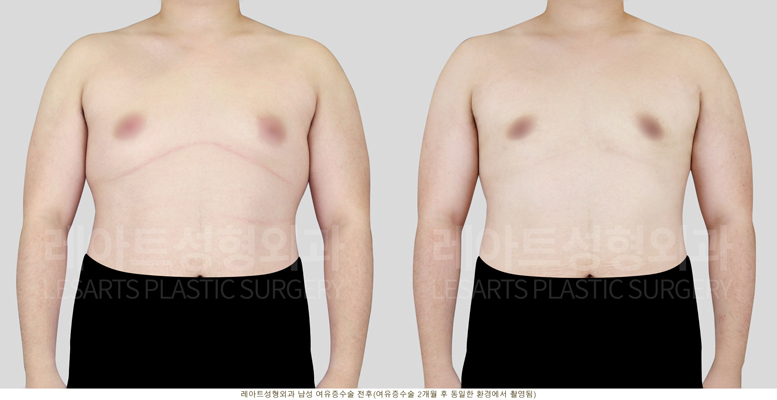
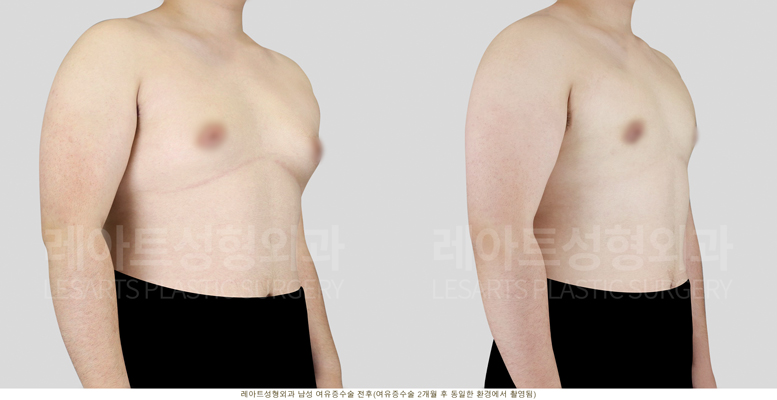
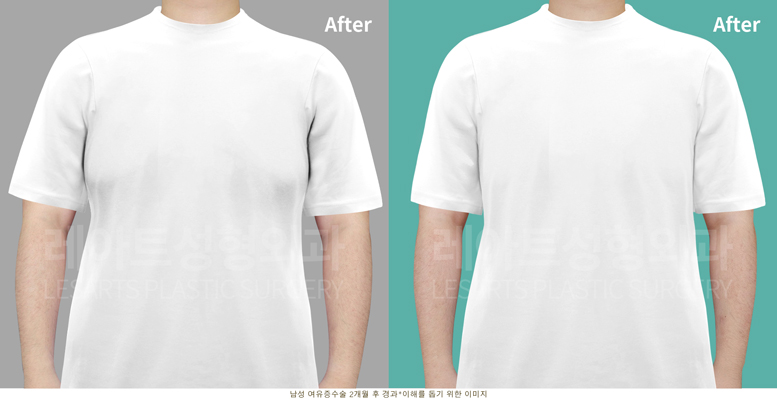
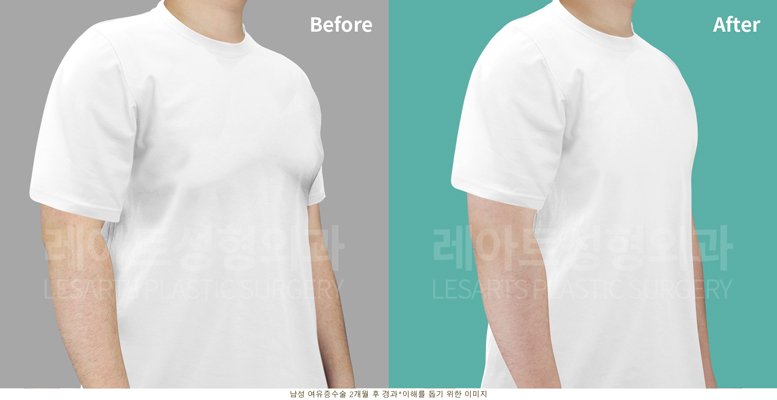
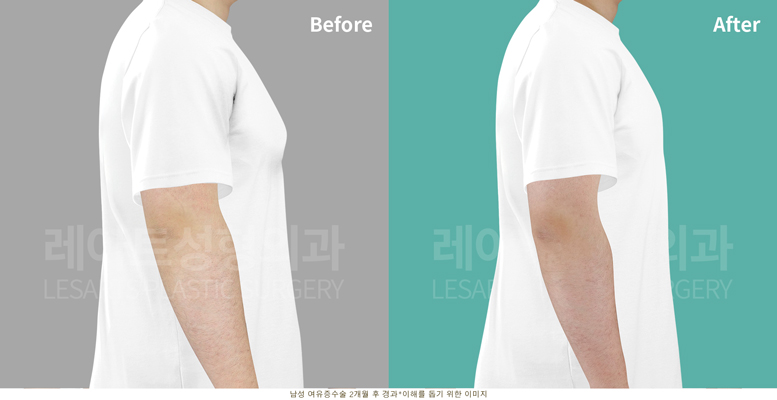
Wearing a thin t-shirt
clearly highlights the difference.
The chest protrusion
that used to be obvious under a shirt
was gone—
now the chest looked smooth
and stable in shape.
Previously, the upper body looked large,
which made the chest stand out more
and disrupted the body’s proportions.
But with gynecomastia surgery,
that imbalance was significantly improved.
This outcome was achieved
thanks to a comprehensive approach
that included not only gland removal
but also fat reduction in the lower
and side chest,
combined with a smooth recovery.
The patient was advised to maintain
the results through consistent exercise,
diet, and weight management
to create a more balanced upper body
in the long term.
#Male body contouring
#Gynecomastia
#Grade2-B #true gynecomastia #Side chest liposuction


Cases finding
similar to my profile
Customer Diagnostics


Select the surgery and
area you are interestedto see real
before andafter changes.


we
make you,
the art
Clinic hours
MON - FRI
10 am – 7pm
SAT
10 am – 4pm
Holiday
SUN, HOLIDAY
Location
Lesarts Moon Clinic Tower 4-5F, 40, Nonhyeon-ro 168-gil,
Gangnam-gu, Seoul, Republic of Korea

Medical institution name Lesarts Plastic Surgery
Address Lesarts Moon Clinic Tower 4-5F, 40, Nonhyeon-ro 168-gil, Gangnam-gu, Seoul, Republic of Korea
Representative Moon sung jun
