A well-defined waistline not only represents
slimness, but also acts as a visual anchor
that determines the body’s overall balance.
When the waist curves in naturally,
it enhances body proportions,
clothing fit, femininity, and a more youthful appearance.
Even if your weight falls in the normal range,
a waistline without curves—
often described as a straight or blocky waist—
can give an unbalanced or heavy appearance.
If the area from the waist to the pelvis
lacks contour or appears bulky,
it may be time to evaluate the flank fat
contributing to the issue.
[Patient Information]
Age: Early 30s
Occupation: Office worker
Height: 158 cm
Weight: 49 kg
BMI: 20
Results may vary even for patients with similar body types.
This case showcases a patient
who achieved improved body balance
through abdominal liposuction.
Although within normal weight,
the patient was concerned about upper belly fat
and love handles that made her upper body appear heavier,
with a waistline that lacked definition.
She chose abdominal liposuction
to restore natural proportions
and create a feminine, cinched waistline.
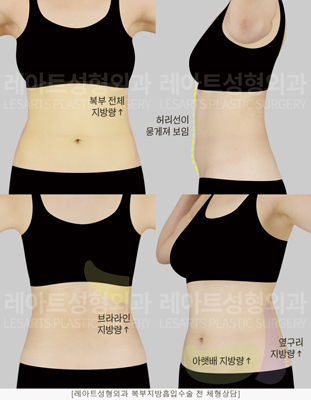
Preoperative analysis showed that
despite her low weight, fat was concentrated
around the upper abdomen and flanks.
She had low muscle mass
and poor skin elasticity, causing fat
to spread outward across the abdomen and sides,
which widened and flattened her waist contour.
Though fat was evenly distributed
across the abdomen, the lower belly
and especially the flank fat were more prominent.
This distorted her waist curve and
made the pelvic area appear unbalanced—
a major concern for the patient.
The surgical plan focused on removing
excess abdominal fat and slimming the waistline
to create a smooth, feminine transition
from waist to pelvis.
The goal was to refine the flanks
and upper waist near the bra line
for a slimmer, lighter silhouette.
Let’s examine her waistline transformation
through medical photos taken 3 weeks
after abdominal liposuction.
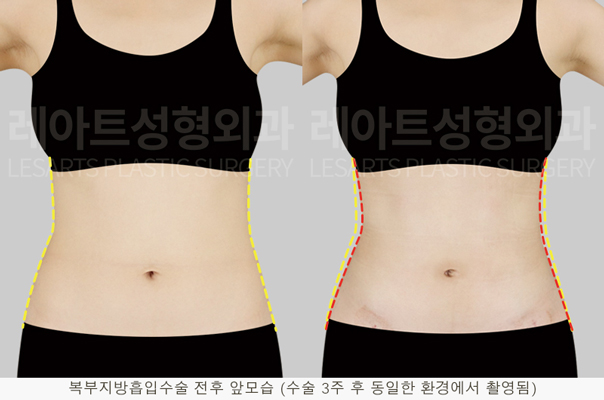
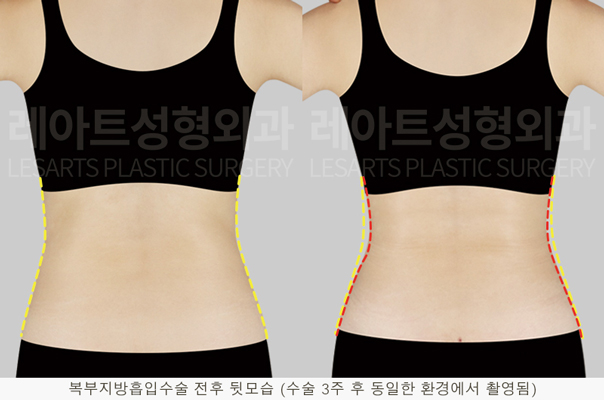
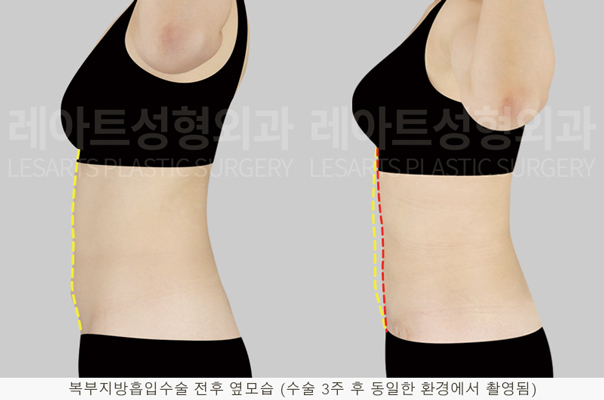
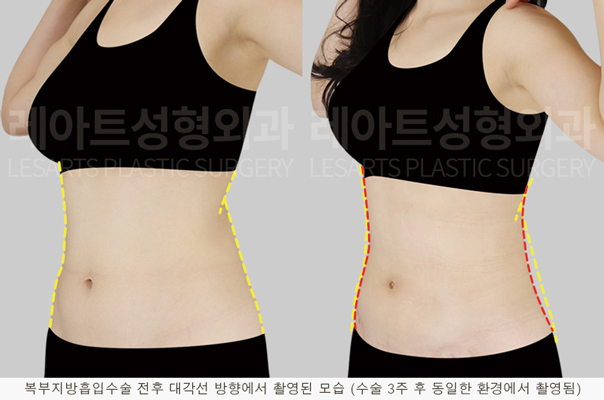
This surgery specifically targeted the waist fat
that made her midsection appear bulky,
transforming the abdominal and flank contours
into a slimmer, curved line.
Pre-surgery, bulges in the front and sides
of the abdomen made the upper body look heavier,
and the waist lacked visible curves.
Even at 20 days post-op—
a stage with considerable swelling—
the upper abdomen appeared flatter,
and the waist looked slimmer,
offering a more refined silhouette overall.
The waist-to-pelvis curve
was also reshaped with improved balance.
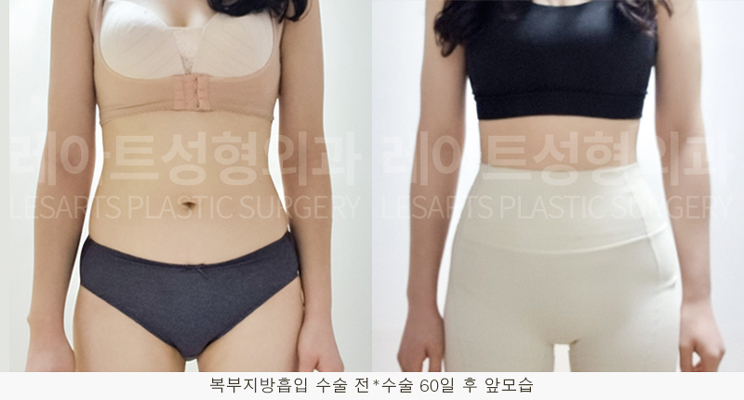
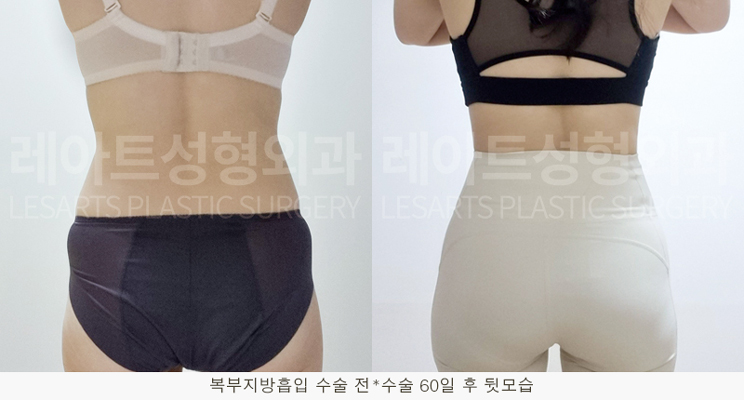
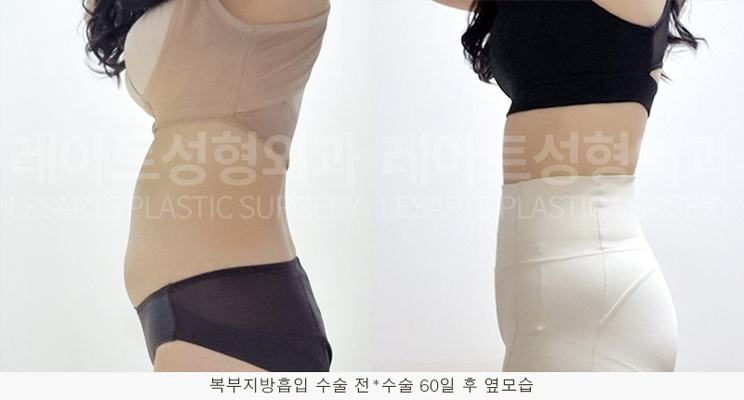
In self-photos provided by the patient,
we can clearly see that the previously
protruding upper abdomen and
love handles on both sides
have been reduced.
This created a more defined waistline
and a feminine upper body silhouette.
From the side, the lower belly protrusion
visibly decreased.
From the back, the waist-to-hip curve
now flows naturally, creating a balanced, feminine line.
Because of her lower muscle mass
and reduced skin elasticity,
a meticulous surgical approach was required,
and careful post-op care is essential.
Even with visible improvements,
it’s critical to continue wearing compression garments,
follow aftercare routines, and stay active—
as these help maintain and stabilize
the long-term benefits of liposuction.












