




Online Consultation
Please accurately enter the information below.
Quick Cost Consultation
Quick Consultation & Reservation
Cases finding
similar to my profile






Doctor's Note
Medical columns by our surgeons
Brachioplasty | Sagging Arm Skin After Weight Loss: 2 to 6-Month Arm Lift Progress (Before & After, Scar Evaluation)
2026-10-02
Brachioplasty | Sagging Arm Skin After Weight Loss: 2 to 6-Month Arm Lift Progress (Before & After, Scar Evaluation)
Written by Dr. Kukhan Lee, Lesarts Plastic Surgery
Q. What are the clinical benefits and scar management protocols of M-type brachioplasty for correcting severe upper arm ptosis (batwing deformity) and axillary skin laxity following massive weight loss or bariatric surgery?
A. By directly resecting redundant skin and concurrently performing liposuction of the brachium and axilla, it resolves chronic friction, chafing, and intertrigo while smoothly reducing upper arm circumference.
The surgical scar is positioned along the inner medial arm to remain concealed in a neutral standing posture, and hypertrophic scarring that may develop near the elbow due to frequent joint excursion is stabilized through proactive scar interventions—including targeted intralesional therapy and laser treatments—between 2 and 6 months post-op.
[Learn More About Lesarts Plastic Surgery Arm Lift]
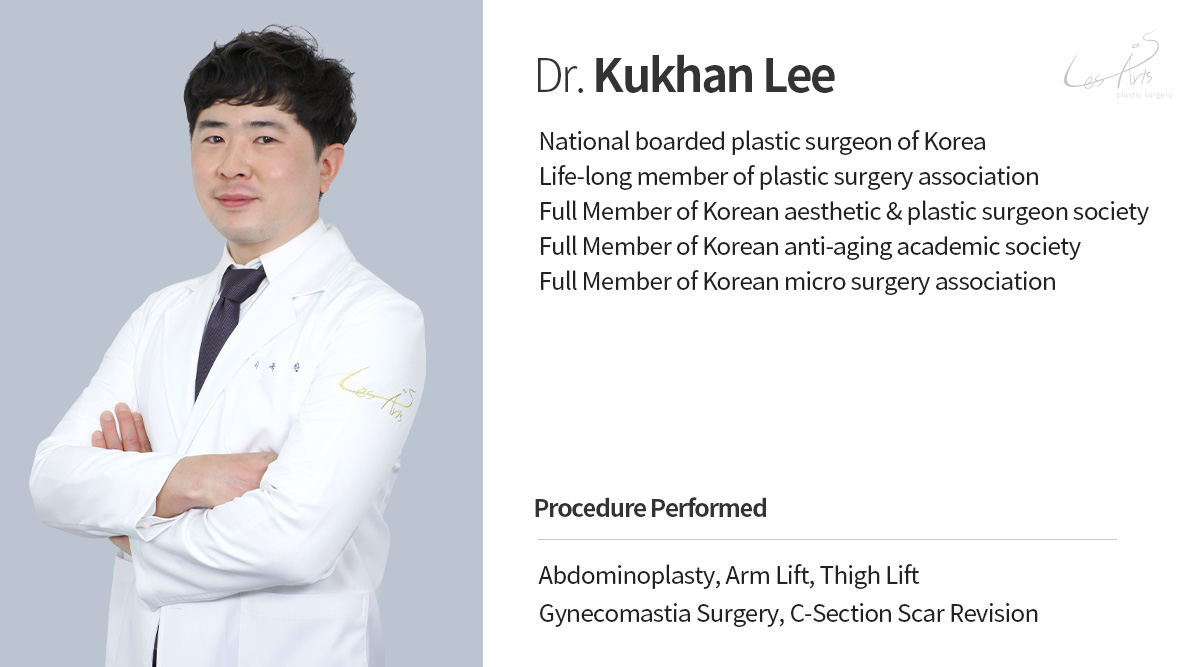
This column was authored directly by our medical staff.
※ Unauthorized copying, editing, processing, or redistribution is strictly prohibited. ※
Rapid and significant weight gain not only alters physical contours, but also impacts systemic physiological health across multiple domains.
It substantially increases risks of chronic cardiovascular conditions such as hypertension and metabolic disorders like type 2 diabetes,
while imposing heavy biomechanical stress on weight-bearing joints—such as the knees and lumbar spine—often leading to chronic musculoskeletal discomfort in daily life.
For these medical reasons, an increasing number of individuals plan weight loss regimens and successfully achieve target reductions.
While many achieve success through disciplined nutritional control and consistent cardiovascular workouts,
individuals with severe obesity may find substantial weight reduction challenging through lifestyle modification alone.
In such cases, patients often turn to bariatric metabolic surgery—such as sleeve gastrectomy or gastric banding—
or utilize GLP-1 receptor agonist therapies such as Wegovy or Mounjaro to reduce systemic weight.
However, as massive weight loss brings patients closer to standard body mass ranges and stabilizes metabolic indicators, a new morphological concern frequently emerges in the mirror.
In areas where adipose volume previously expanded, overstretched, deflated skin hangs loosely like a deflated balloon.
The anterior abdominal wall, upper arms, and medial thighs are prime anatomical regions where dermal elastic fibers become overextended and fractured during weight gain, exhibiting marked ptosis after major reduction.
Because redundant skin hangs downward against gravity despite disciplined lifestyle habits, creating significant physical limitations and wardrobe frustration, many consider surgical brachioplasty (arm lift) for definitive correction.
In this column, we examine a clinical case where severe upper arm and axillary skin ptosis remaining after massive post-bariatric weight loss was corrected through combined M-type brachioplasty and targeted upper body liposuction.
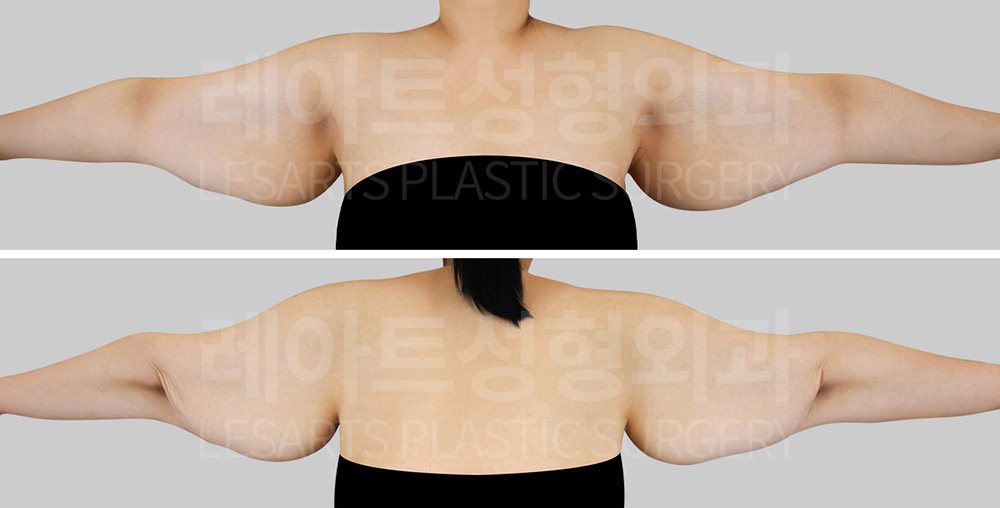
Preoperative Brachioplasty Diagnosis - Lesarts Plastic Surgery
The patient was a female in her 40s measuring 166 cm and presenting at 81 kg.
Her medical history included peak lifetime weight reaching 120 kg, followed by repetitive weight fluctuations due to weight cycling,
accompanied by metabolic and cardiovascular comorbidities, including hypertension.
To achieve meaningful weight reduction for long-term health, she underwent surgical sleeve gastrectomy and was actively continuing post-bariatric lifestyle maintenance.
Although successful reduction of nearly 40 kg substantially decreased overall torso volume,
severe, leathery skin redundancy persisted across the upper arms, particularly along the inner axillae and posterior triceps (batwing deformity).
During warm summer weather, skin-on-skin contact caused moisture accumulation, recurrent friction, chafing, and painful intertrigo;
psychologically, curtain-like redundant skin severely restricted her wardrobe choices, preventing her from wearing short-sleeved or fitted clothing comfortably.
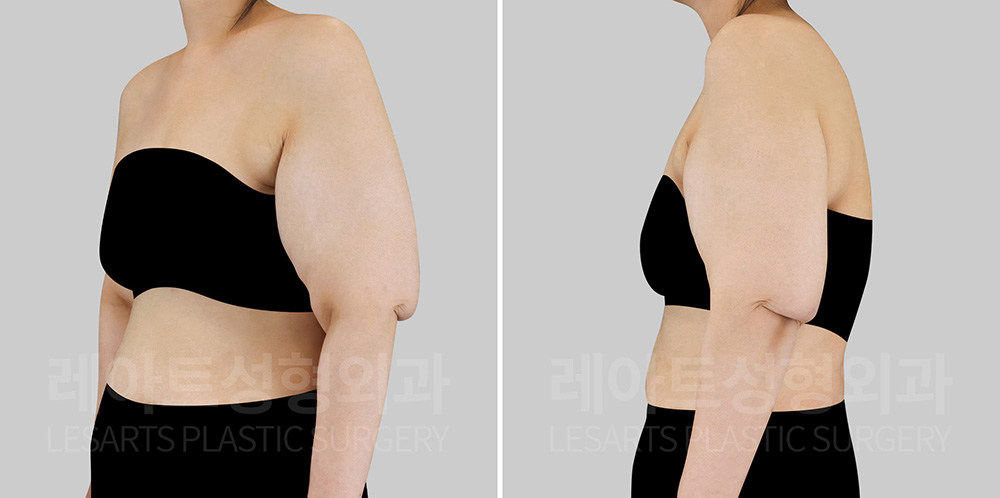
Preoperative Physical Evaluation - Dr. Kukhan Lee, Lesarts Plastic Surgery
Physical examination revealed extensive loss of dermal elasticity and pronounced ptosis across the entire brachium.
Compared to her relatively slender forearms, upper brachial volume and dermal laxity appeared disproportionately heavy,
with broad, leathery redundant skin extending continuously from the cubital joint up into the axillary hollow.
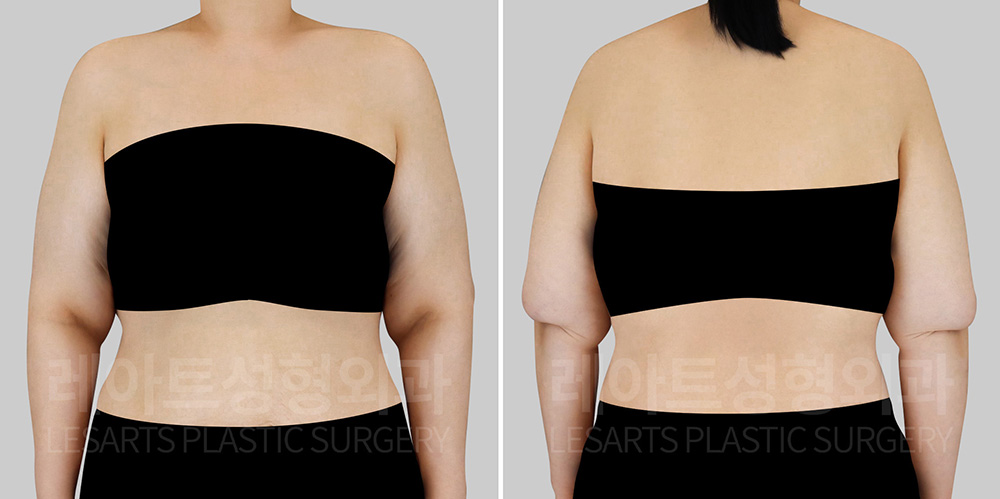
Brachioplasty Surgical Evaluation - Dr. Kukhan Lee, Lesarts Plastic Surgery
While skin laxity over the central axillary vault was moderate, redundant folds extended along the lateral thoracic wall toward the back.
Furthermore, substantial subcutaneous adipose thickness lingered beneath the redundant skin envelope.
We concluded that simple skin excision alone would fail to achieve a slender silhouette; concurrent liposuction was essential to debulk residual fat and establish a balanced, contoured arm profile.
Accordingly, we established a surgical plan combining M-type brachioplasty—with incisions oriented along the inner medial arm crease—and circumferential 360-degree brachial, axillary, and anterior accessory breast liposuction.
Below is a detailed chronological review of her recovery at 2, 3, and 6 months postoperatively.
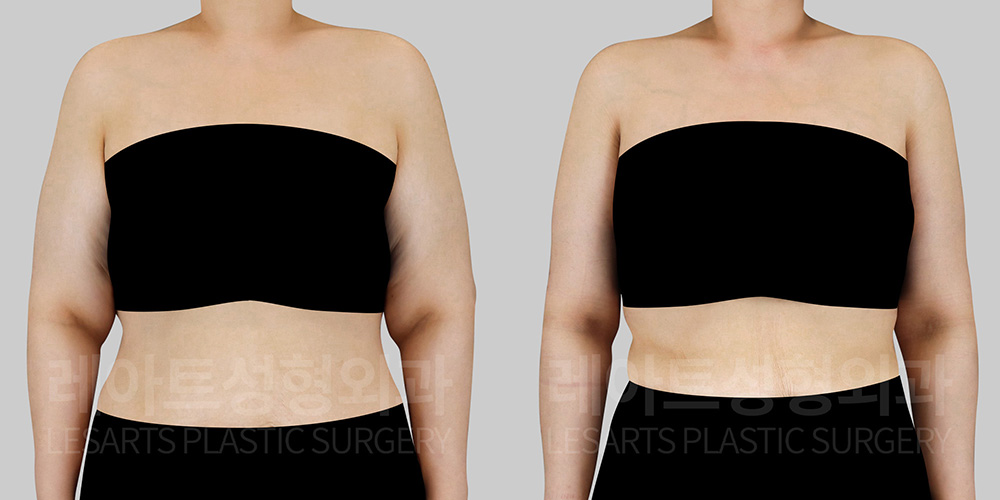
Brachioplasty Before & After (2 Months) - Lesarts Plastic Surgery
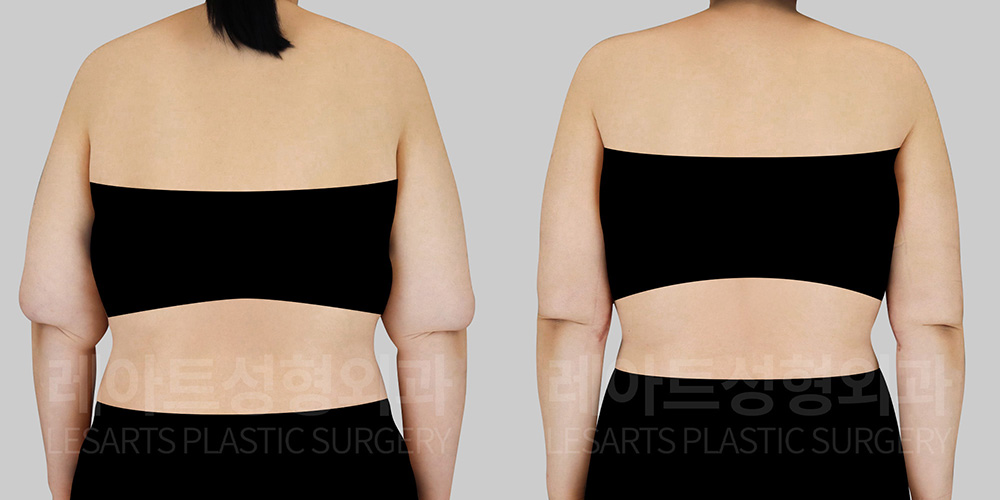
Contour Transformation at 2 Months Post-Brachioplasty - Lesarts Plastic Surgery
By 2 months post-op, anatomical contours exhibited significant transformation compared to baseline.
The heavy volume of the upper arm—which had previously appeared bulky relative to the forearm—decreased substantially, restoring harmonious limb proportions and bodily balance.
Because targeted liposuction thoroughly reduced subcutaneous adipose depth before redundant skin was resected, advanced, and securely anchored,
the outer contour falling from elbow to axilla settled into a streamlined, straight line.
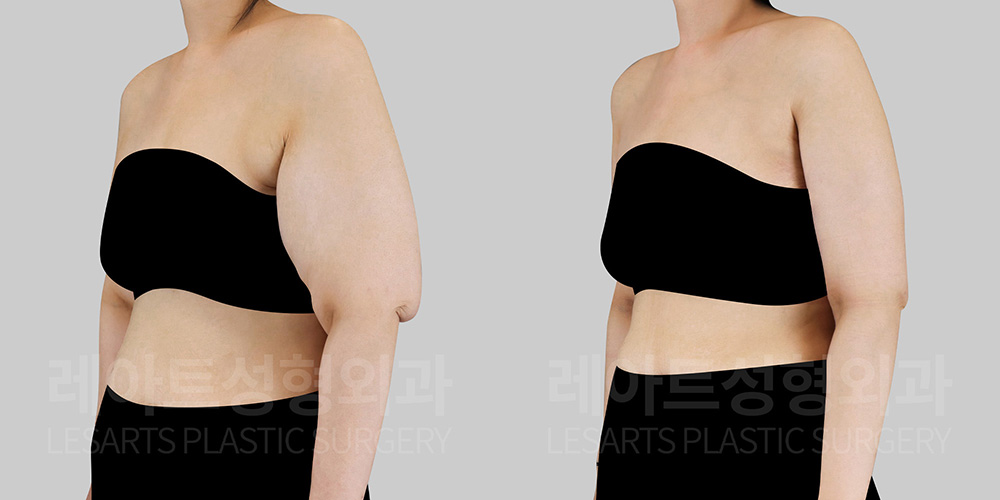
Ptotic Arm Skin Excision (2 Months Post-Op) - Lesarts Plastic Surgery
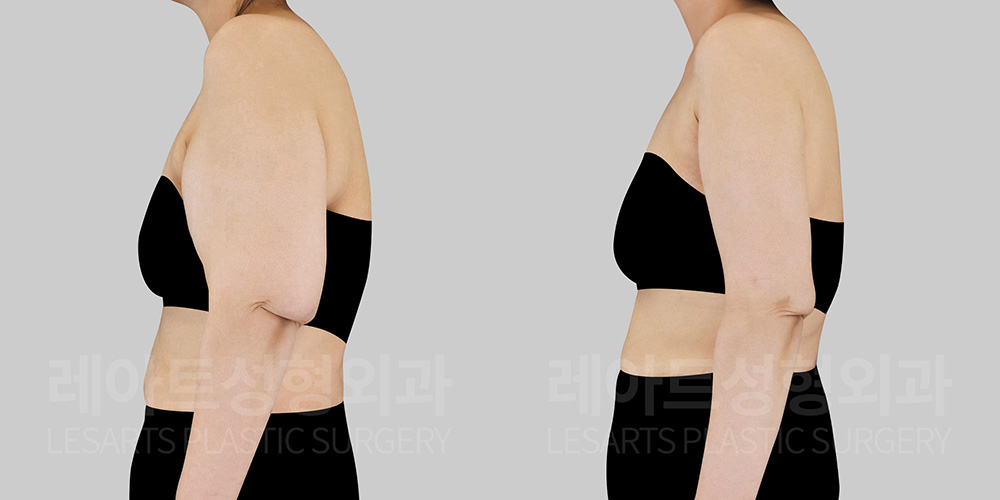
Arm Lift Before & After Comparison (2 Months) - Lesarts Plastic Surgery
Although 2 months post-op represents an early recovery phase with residual induration (bio-bands) and fine edema,
functional complaints—such as skin chafing, moisture accumulation, and intertrigo—were completely eliminated, yielding high personal satisfaction.
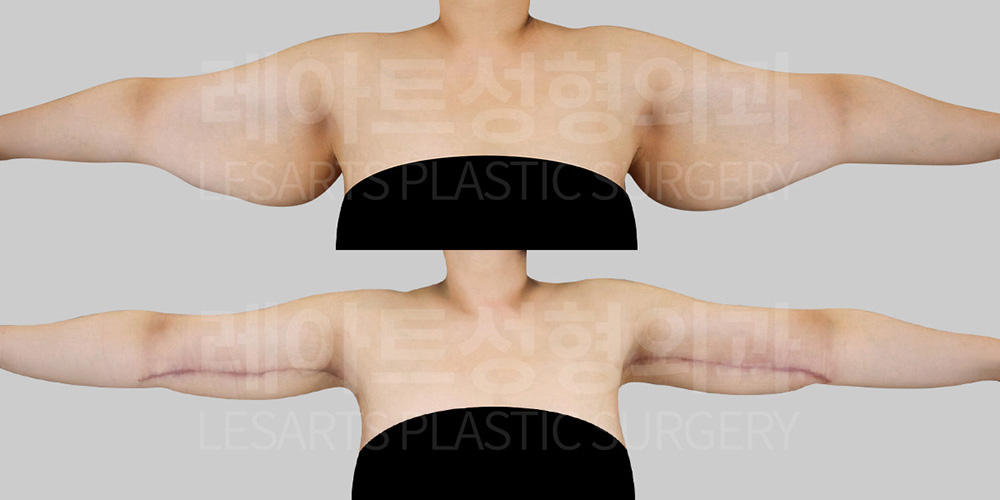
Brachioplasty Scar Position and Length at 2 Months - Lesarts Plastic Surgery
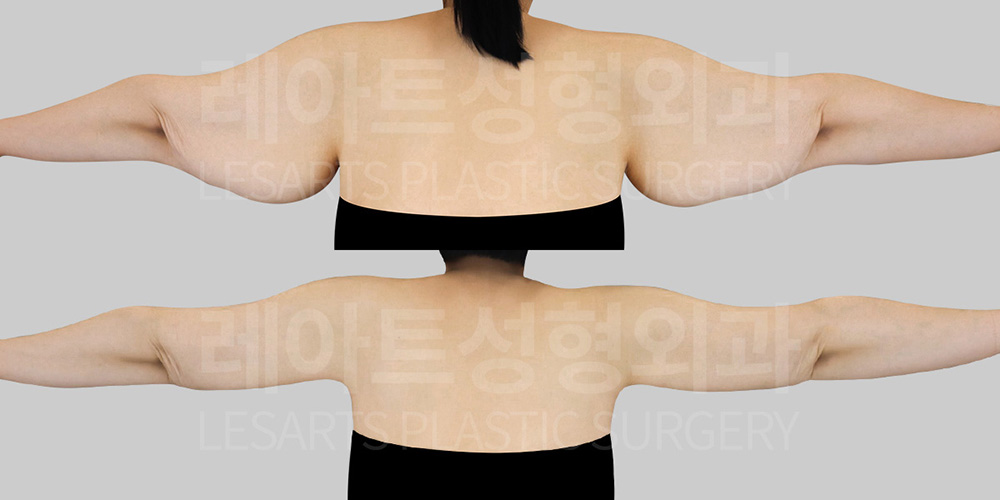
Resolution of Arm Batwing Deformity (2 Months Post-Op) - Lesarts Plastic Surgery
At this stage, the incision line retains post-surgical erythema, and minor perilesional soft-tissue edema is expected;
scar coloration and final contour definition progressively mature and soften over time.
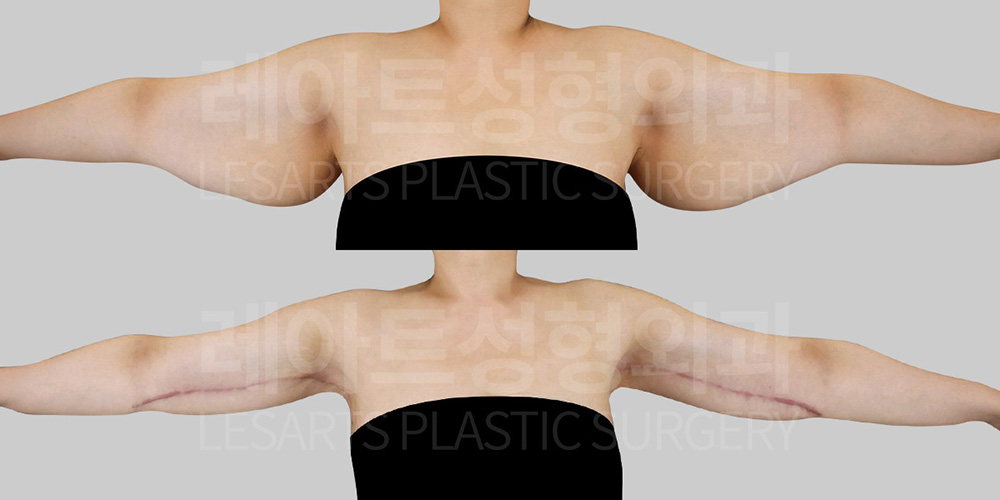
Scar Maturation at 3 Months Post-Brachioplasty - Lesarts Plastic Surgery
At 3 months postoperatively, generalized erythema and temporary hyperpigmentation along the suture line began to subside, lightening in tone.
However, early hypertrophic scar changes were observed along the distal segment near the cubital joint where dynamic skin tension is concentrated.
Considering the patient's occupational and domestic activities involving broad upper extremity range of motion, repetitive flexion-extension cycles and mechanical skin tension
were determined to have influenced scar remodeling; we promptly initiated targeted intralesional therapy and laser scar treatments on the hypertrophic segment.
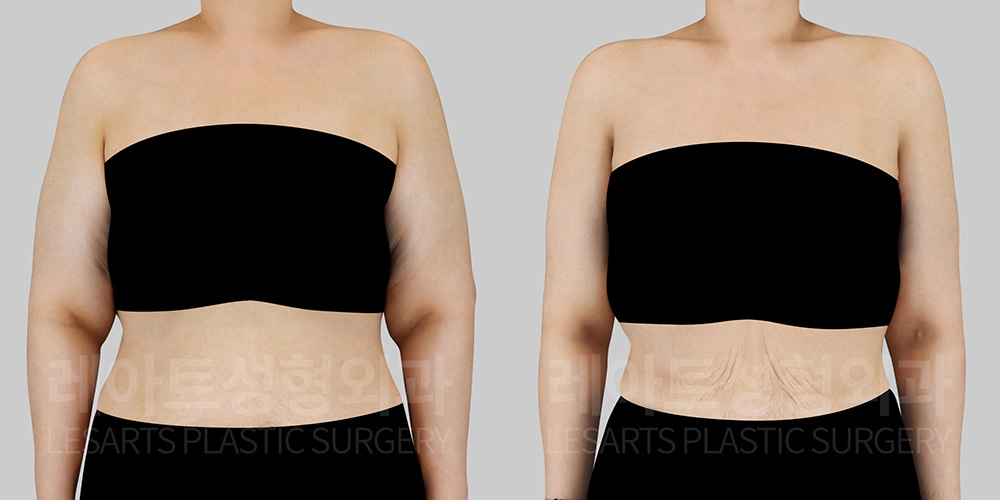
3-Month Follow-Up Before & After Comparison - Lesarts
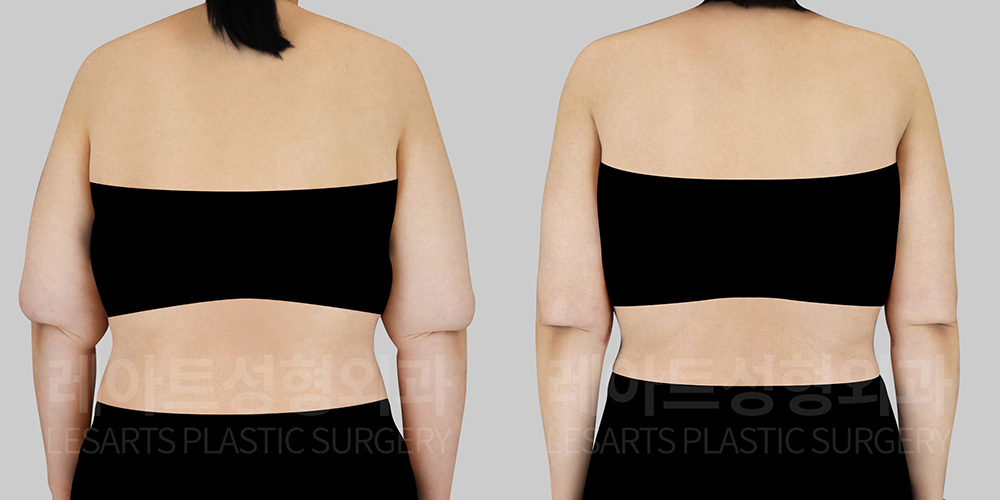
Posterior Contour Changes at 3 Months Post-Op - Lesarts Plastic Surgery
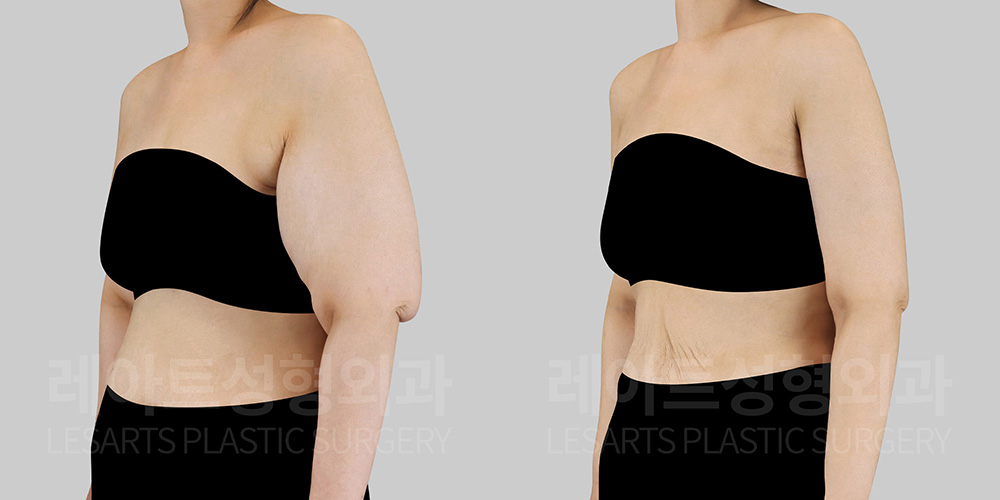
Lateral Profile Transformation at 3 Months - Lesarts Plastic Surgery
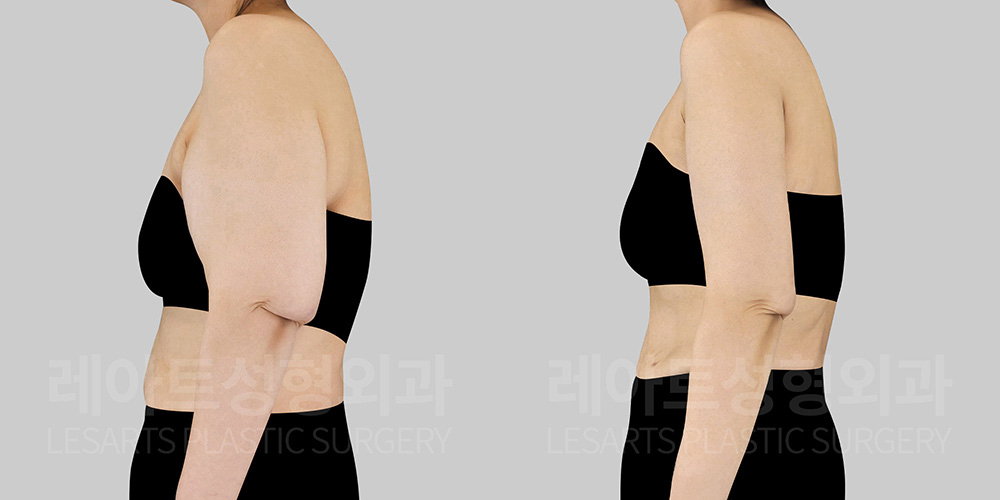
Clinical Outcomes of Brachioplasty (3 Months) - Dr. Kukhan Lee, Lesarts Plastic Surgery
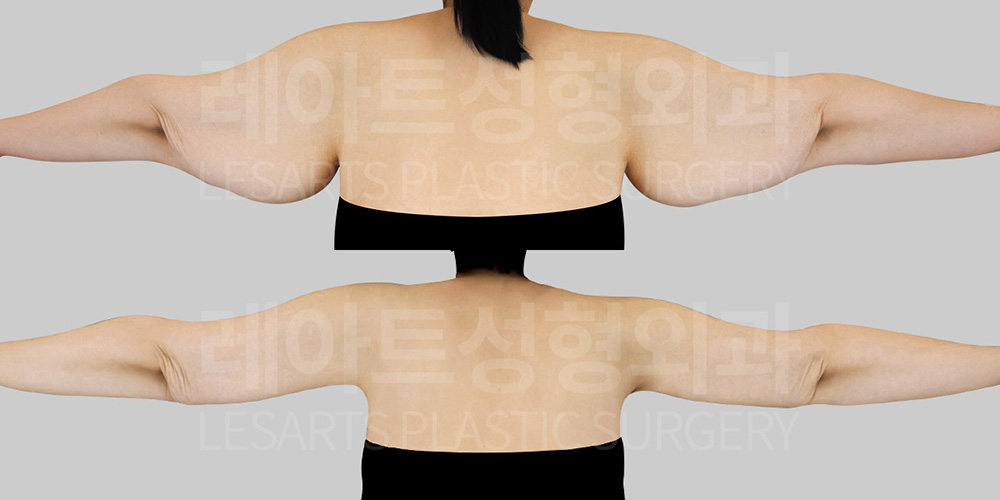
Posterior Silhouette Transformation at 3 Months Post-Op - Dr. Kukhan Lee
Except for the localized distal segment undergoing scar care, the medial scar matured stably without inflammation,
and as edema cleared compared to the 1 to 2-month phase, the overall arm contour settled into a lighter, natural shape.
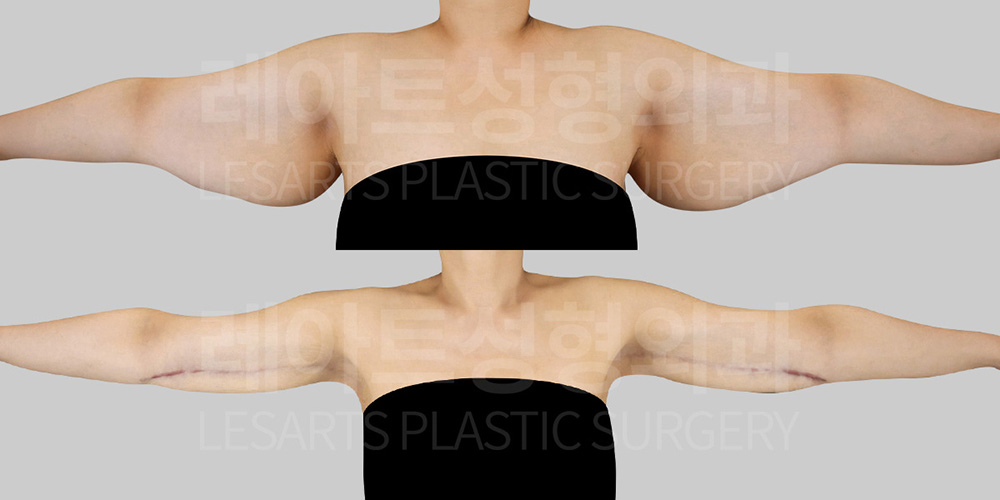
Scar Management at 6 Months Post-Brachioplasty - Lesarts Plastic Surgery
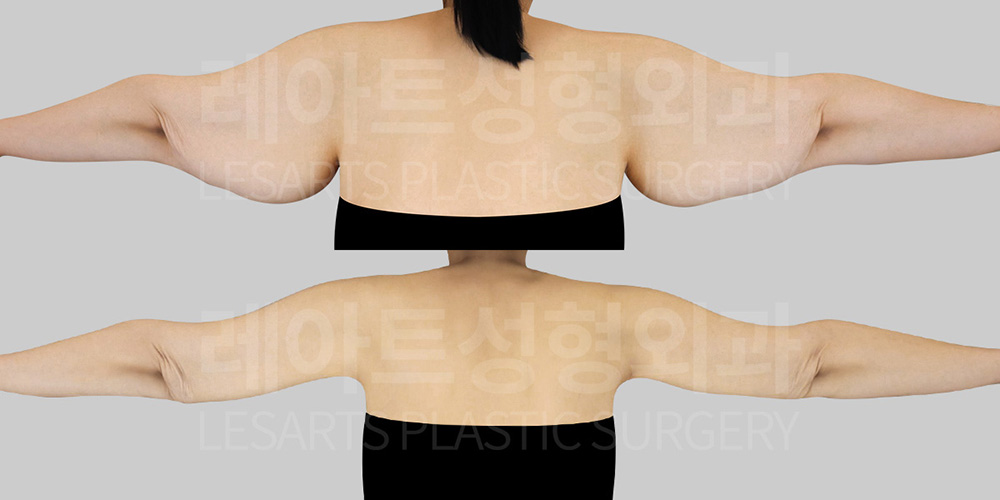
Surgical Correction of Post-Diet Arm Ptosis at 6 Months - Dr. Kukhan Lee
Shown above is the follow-up evaluation at 6 months postoperatively.
Passing the early recovery milestones, body lines and dermal tension achieved stable maturation.
Aside from the distal elbow segment undergoing clinic scar treatments, the majority of the incision scar had shed its redness, fading toward natural skin tones,
and with edema nearly fully resolved, a firm, toned arm silhouette free from ptosis was established.
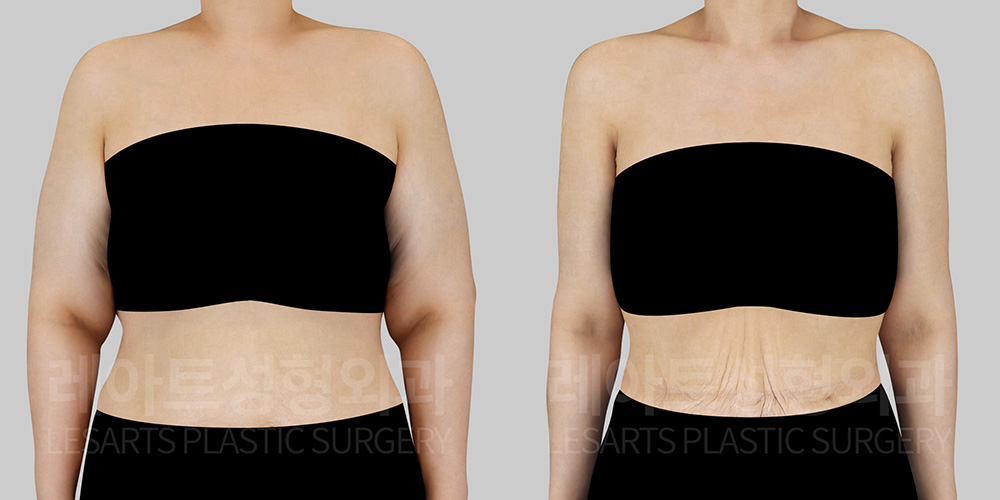
Combined Brachioplasty & Liposuction at 6 Months - Lesarts Plastic Surgery

Brachioplasty Recovery (6-Month Follow-Up) - Dr. Kukhan Lee, Lesarts

Correction of Severe Upper Arm Laxity (6 Months Post-Op) - Lesarts Plastic Surgery
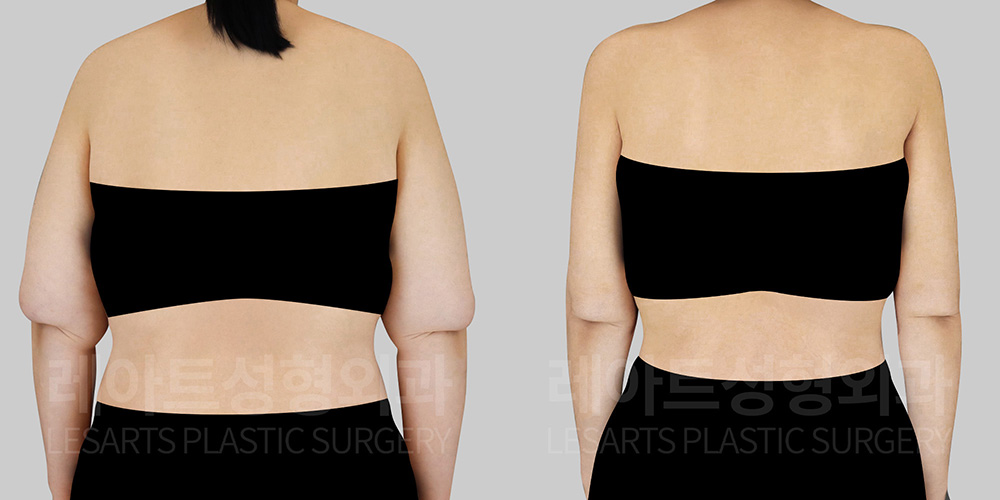
Pre- and Postoperative Arm Skin Resection Comparison (6 Months)
As documented in frontal, lateral, and posterior profiles with arms resting in a neutral standing position,
the incision line resides along the inner medial aspect of the arm, remaining discreetly concealed under standard posture.
Furthermore, total arm circumference decreased substantially, establishing a continuous, slender transition between the upper arm and forearm.
This outcome reflects surgical debulking and skin resection combined with
the patient's disciplined commitment to dietary maintenance and weight stability throughout recovery.
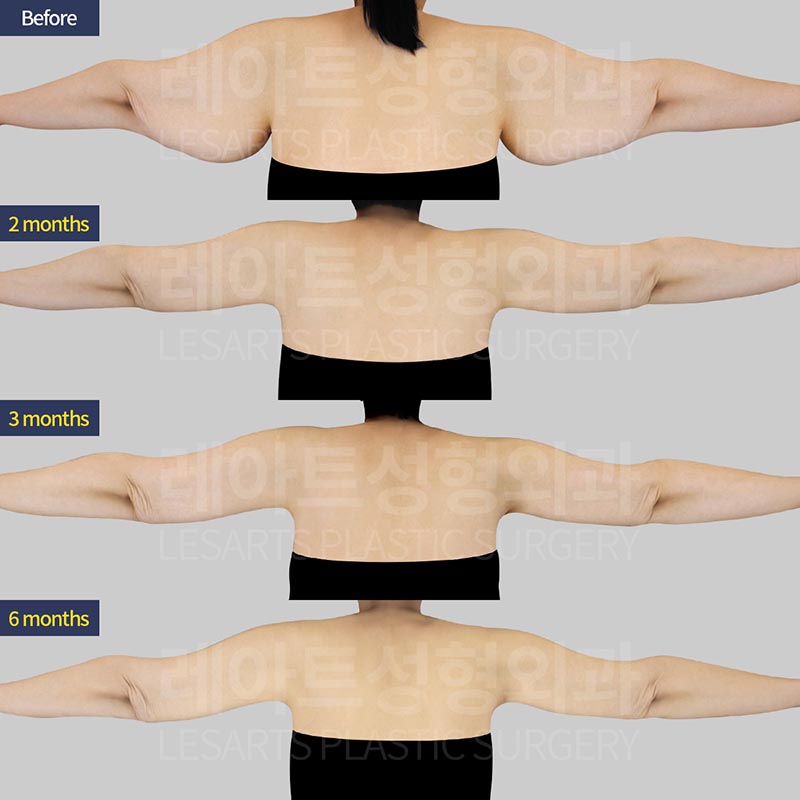
Monthly Recovery Milestones Post-Brachioplasty - Lesarts Plastic Surgery

Chronological Lateral Profile Recovery (Arm Lift + Liposuction)
From a clinical perspective, hypertrophic scar tissue near the elbow joint continues to require ongoing care with intralesional therapy and fractional scar lasers.
However, scar maturation does not cease at 6 months.
Internal collagen remodeling continues over 1 to 2 years postoperatively, during which scar height, erythema, and pliability continue to improve; with structured maintenance, further softening and lightening can be expected.
Lesarts Plastic Surgery
From Brachioplasty Consultation to Surgery & Scar Management
[▶ View Real Stories & Recovery Vlogs]
As a plastic surgeon performing body lifting procedures—including abdominoplasty, thigh lifts, and arm lifts—brachioplasty demands rigorous clinical responsibility.
While abdominoplasty scars can be concealed within underwear or bikini lines,
arm lift scars carry a higher probability of visual exposure when wearing short sleeves, sleeveless tops, or elevating the arms.
Because scar maturation depends on individual biological healing tendencies and upper extremity movement frequency, it cannot be predicted with total certainty prior to surgery.
Therefore, during consultations, we do not emphasize only the dramatic removal of redundant skin;
we transparently discuss scar length, anatomical placement, and phased post-care protocols.
Patients can then weigh the clear functional and aesthetic benefits of skin resection against the clinical realities of surgical scarring to make a well-informed decision.
Seeing a patient who struggled with severe tissue laxity regain a contoured arm silhouette and experience complete relief from chronic chafing and dermatitis provides deep professional fulfillment.
If you experience distress from redundant, deflated skin following massive weight loss achieved through dieting, bariatric surgery, or weight management medications,
consulting with a board-certified plastic surgeon allows you to determine the precise stage of skin laxity and adipose thickness to identify the safest, most effective corrective approach.
Brachioplasty FAQ
Q1. Why does inner arm skin sag severely after rapid weight loss from sleeve gastrectomy or Wegovy?
A. Rapid weight loss quickly depletes subcutaneous fat volume, but dermal elastic fibers that were severely overextended cannot contract spontaneously. The redundant skin envelope falls under gravity, creating characteristic batwing ptosis.
Q2. Why must liposuction be performed concurrently with skin resection during post-weight-loss brachioplasty?
A. Substantial subcutaneous fat often remains beneath the redundant skin. Liposuction thoroughly debulks brachial volume first, allowing customized skin resection to establish a streamlined, straight line from elbow to axilla without bulkiness.
Q3. What is the most important factor for a patient to weigh before choosing brachioplasty over abdominoplasty?
A. Potential scar visibility. Unlike abdominoplasty where scars hide beneath swimwear lines, brachioplasty scars lie along the inner arm and may be visible in short-sleeved tops or upon arm elevation, requiring clear preoperative understanding.
Q4. Why does the scar near the elbow sometimes become thick or raised (hypertrophic scar) around 3 months post-op?
A. Repetitive flexion and extension of the elbow joint in daily activities concentrates mechanical tension along the distal incision. During this active remodeling phase, scars may become raised and erythematous, indicating early intralesional and laser therapies.
Q5. What is the anticipated status of edema and scar maturation at 6 months post-brachioplasty?
A. Residual edema largely resolves, establishing stable limb proportions, with the scar concealed along the inner arm in neutral standing posture. Erythema fades toward natural skin tones, and ongoing collagen remodeling continues to soften the line over 1 to 2 years.
Dr. Kukhan Lee


Cases finding
similar to my profile
Customer Diagnostics


Select the surgery and
area you are interestedto see real
before andafter changes.


we
make you,
the art
Clinic hours
MON - FRI
10 am – 7pm
SAT
10 am – 4pm
Holiday
SUN, HOLIDAY
Location
Lesarts Moon Clinic Tower 4-5F, 40, Nonhyeon-ro 168-gil,
Gangnam-gu, Seoul, Republic of Korea

Medical institution name Lesarts Plastic Surgery
Address Lesarts Moon Clinic Tower 4-5F, 40, Nonhyeon-ro 168-gil, Gangnam-gu, Seoul, Republic of Korea
Representative Moon sung jun
