




Online Consultation
Please accurately enter the information below.
Quick Cost Consultation
Quick Consultation & Reservation
Cases finding
similar to my profile






Doctor's Note
Medical columns by our surgeons
Scar Revision & Management | Why Do Surgical Scars Form and How Can They Be Improved?
2026-07-14
Scar Revision & Management | Why Do Surgical Scars Form and How Can They Be Improved?
Will red, firm surgical scars naturally soften and fade over time?
Surgical scars are newly formed biological tissues produced during wound healing,
typically stabilizing and maturing gradually over 18 to 24 months.
However, individual dermal characteristics, physical tension along the incision, UV exposure,
and early intervention timing create significant differences in final scar texture and pigmentation.
▶ Learn More About Lesarts Scar Revision
Hello, I am Dr. Kukhan Lee, Board-Certified Plastic Surgeon at Lesarts Plastic Surgery Clinic.
Following aesthetic plastic surgery or reconstructive operations,
residual scarring inevitably forms as incisions close and heal.
A surgical scar is not merely an incision mark;
it is the physiological evidence of our body's dynamic matrix repair
working to restore disrupted structural tissue.
However, not all scars mature into fine, inconspicuous lines.
While clinical aftercare regimens vary across surgical specialists,
in this guide, I share the scar maturation timeline and stage-by-stage care protocols
that I recommend to patients to achieve optimal long-term results.
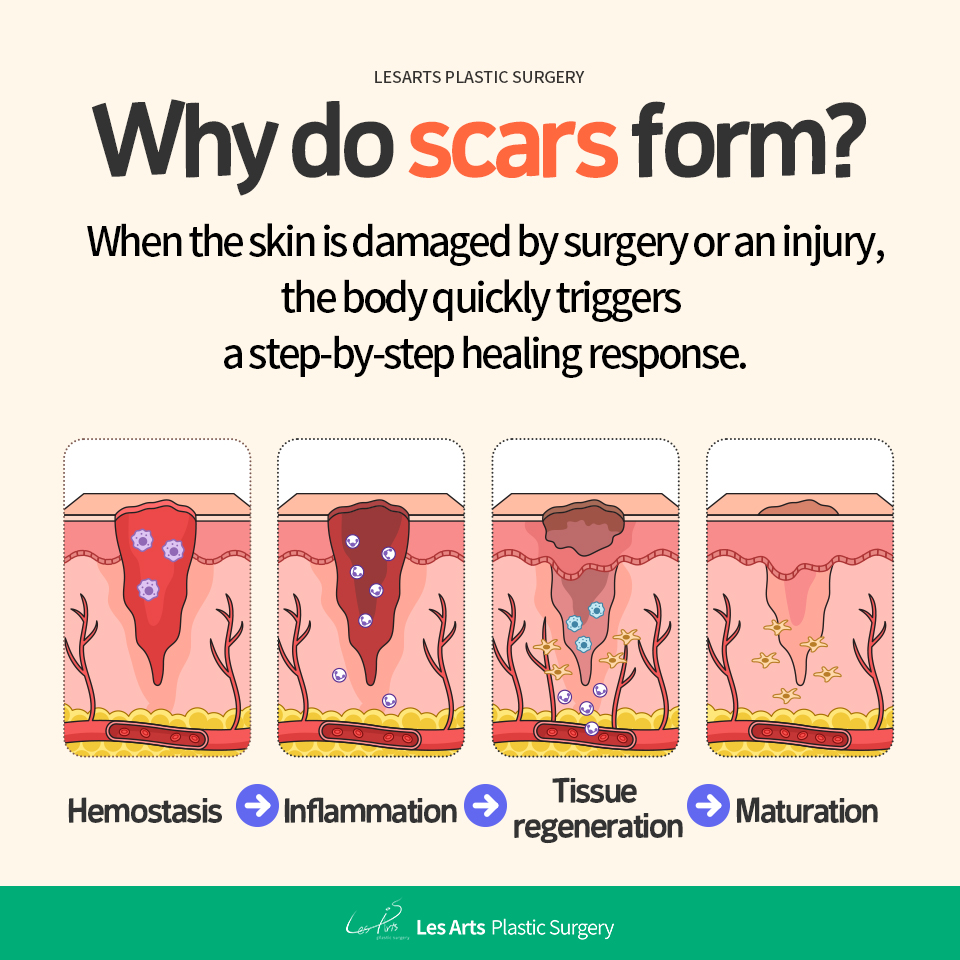
1. Why Do Scars Form?
Upon full-thickness skin injury, our biological wound healing cascade sequentially advances through
hemostasis, inflammation, cellular proliferation, and extracellular remodeling.
Throughout this cascade, if excessive type III collagen is synthesized or if strong lateral tension distracts wound edges,
incisions can broaden, thicken, or develop hypertrophic step-offs.
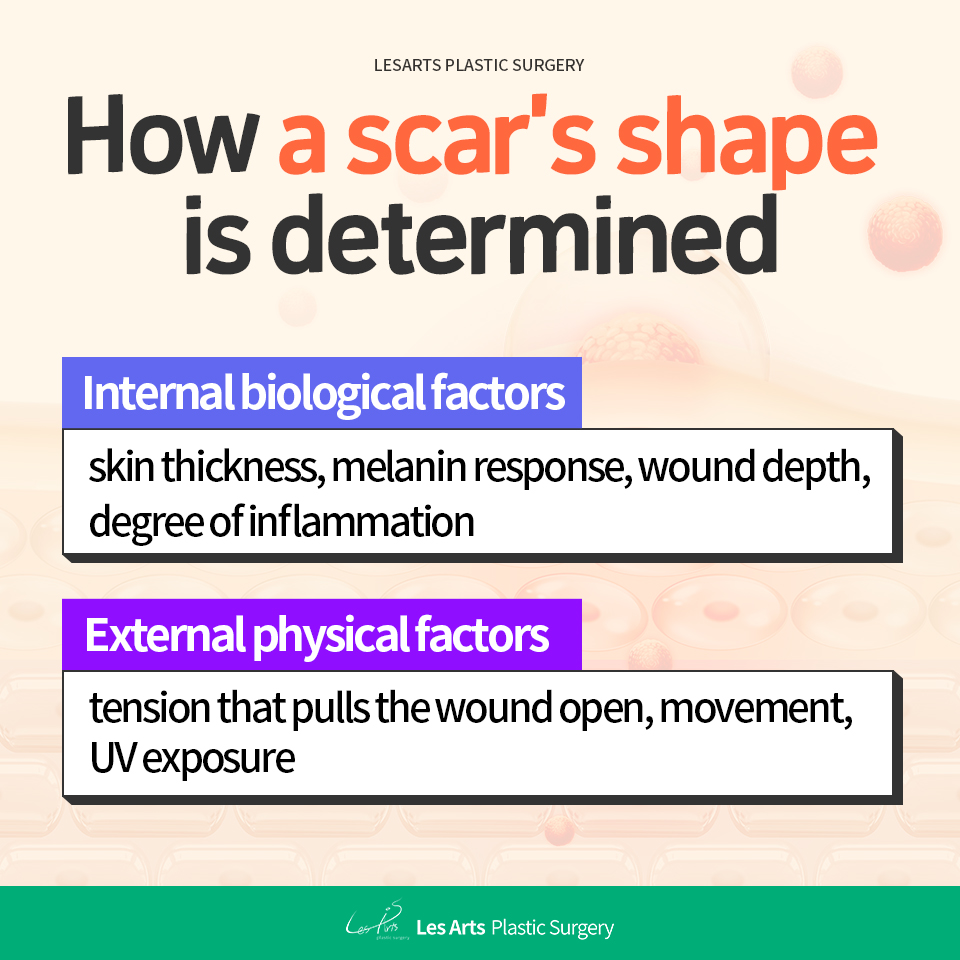
Scar quality is co-determined by intrinsic factors—such as dermal thickness, melanogenesis, wound depth, and inflammation—
alongside extrinsic variables including joint mobility, biomechanical wound tension, and solar ultraviolet exposure.
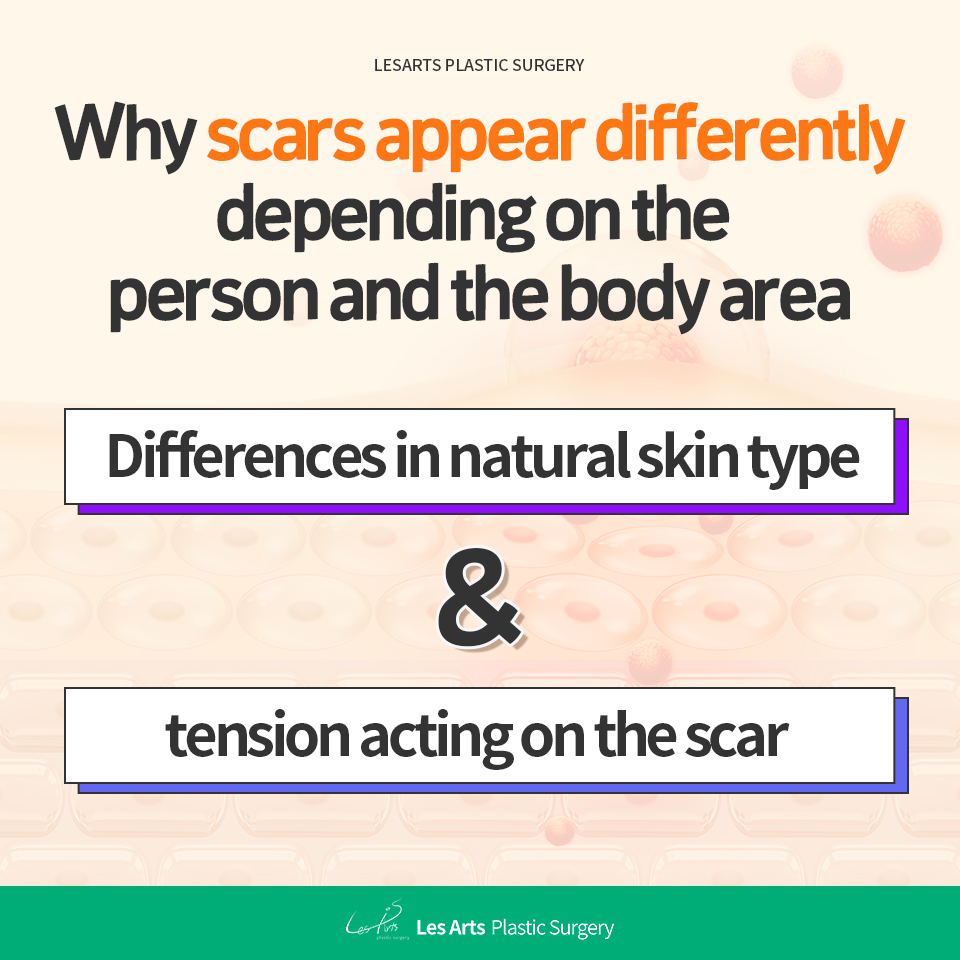
2. Why Scars Vary Across Individuals and Body Sites
The primary determinants of individualized scar appearance
are inherent genetic skin constitution and local biomechanical wound tension.
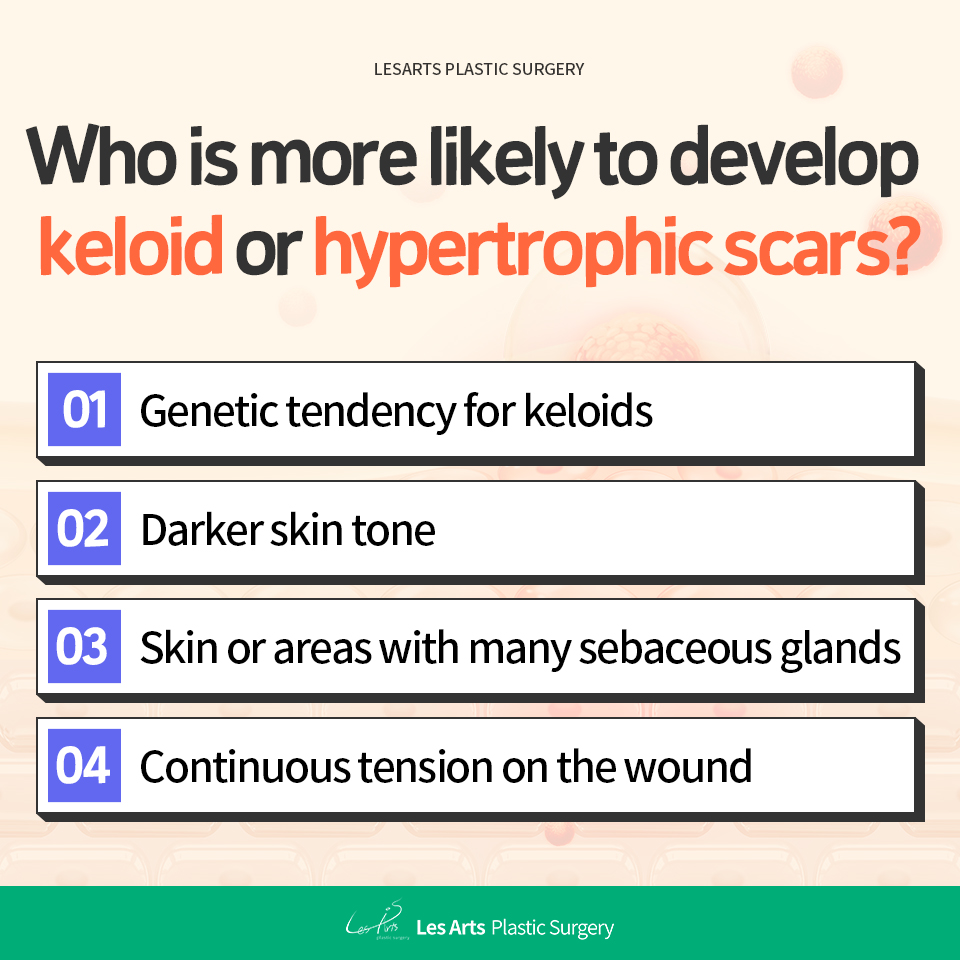
In patients with keloidal diathesis or darker Fitzpatrick skin phototypes,
the incidence of hypertrophic scarring is substantially higher,
with dermal thickness and sebaceous gland concentration also altering the healing response.
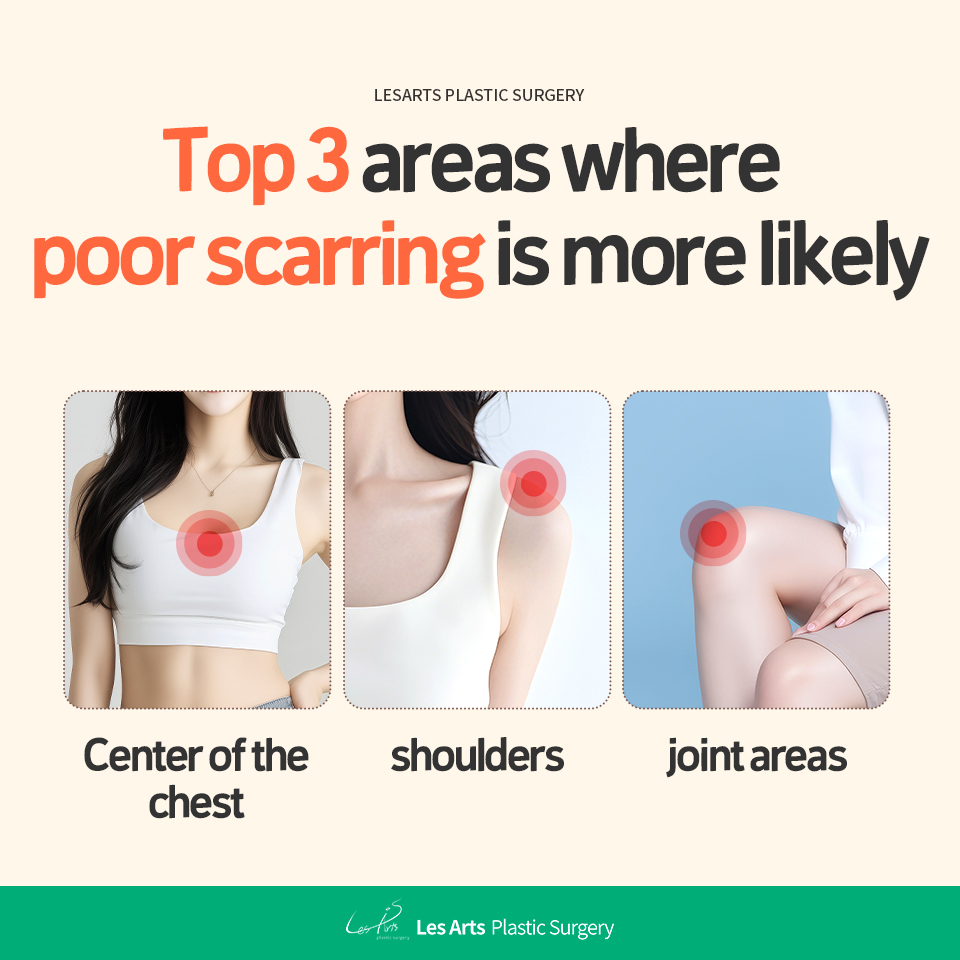
Anatomical sites exposed to high mechanical distraction and dynamic motion—such as the sternum, shoulders, and flexion creases—
are naturally prone to widened, prominent scar margins.
3. The Scar Maturation Timeline
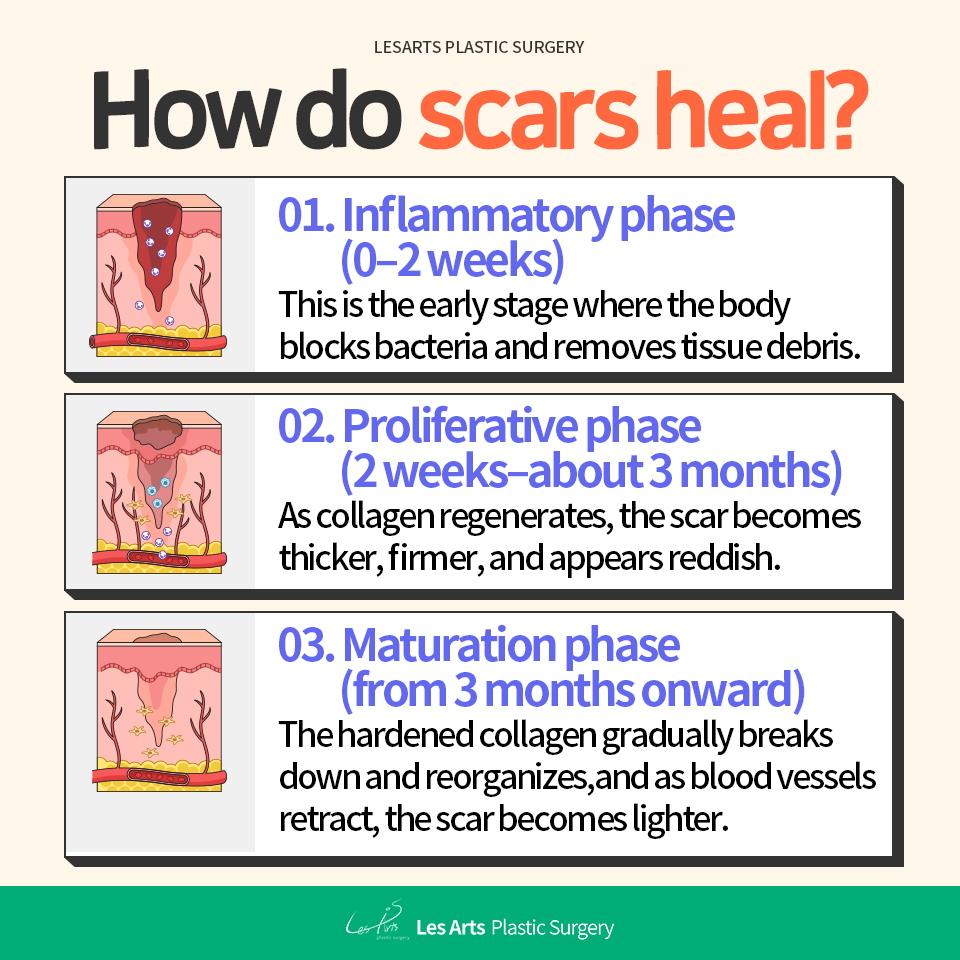
Surgical scars typically take 18 to 24 months to achieve structural stabilization.
During the initial inflammatory phase lasting up to 2 weeks post-op,
erythema (redness), localized warmth, and edema are physiologically prominent.
From week 2 to month 3, known as the proliferative phase,
rapid collagen synthesis peaks,
frequently causing scars to feel firm, raised, and intensely red.
Beyond 3 months, entering the maturation remodeling phase, collagen fibers realign
and microvascularity regresses, gradually softening the tissue,
lightening erythema, and flattening the skin surface.
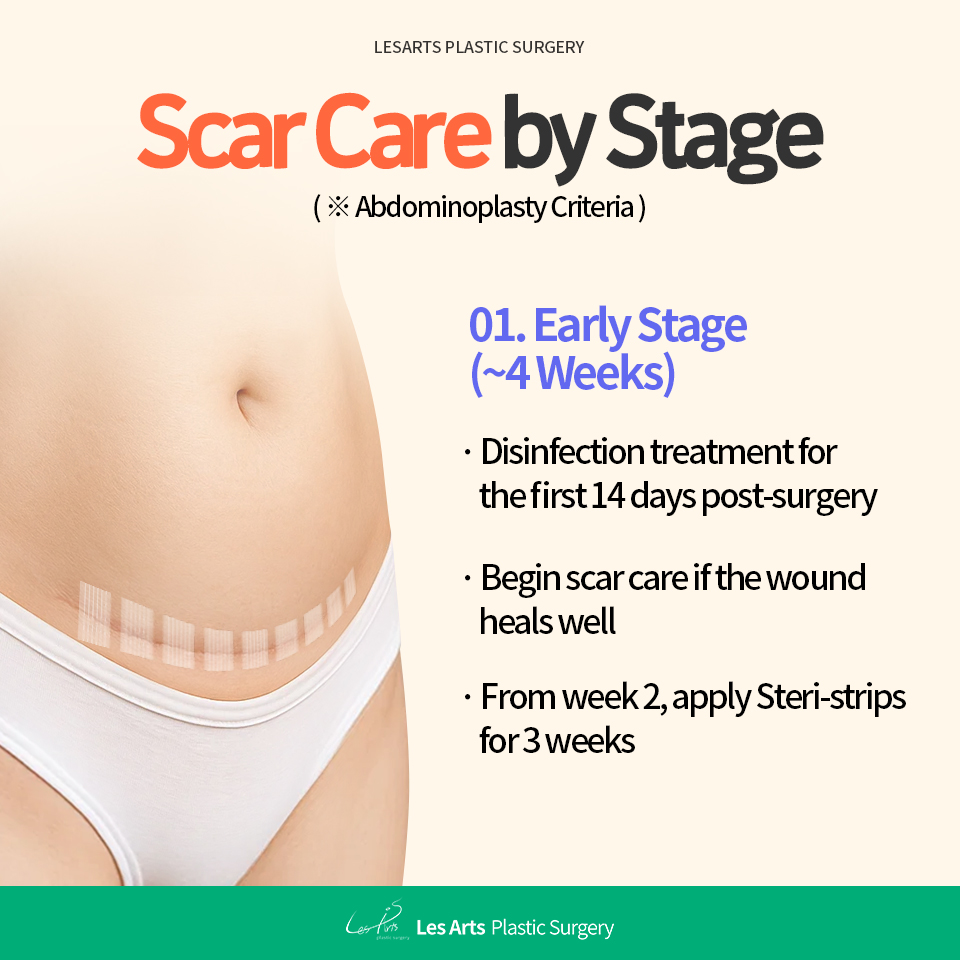
Taking tummy tuck (abdominoplasty) scar care as an exemplar, initial management focuses
strictly on neutralizing skin distraction tension to prevent incision widening.
Surgical sutures in body contouring are typically removed between days 10 and 14;
once epidermal re-epithelialization is stable, around 2 weeks post-op,
Steri-Strip microporous taping is maintained for approximately 3 weeks.
Following this taping phase, intensive hydration is applied for 1 week to allow surgical skin adhesive (Dermabond)
or surface crusts to slough off naturally without trauma.
Applying occlusive scar topicals prematurely while active inflammation persists
can irritate fragile epidermis and trigger contact dermatitis.
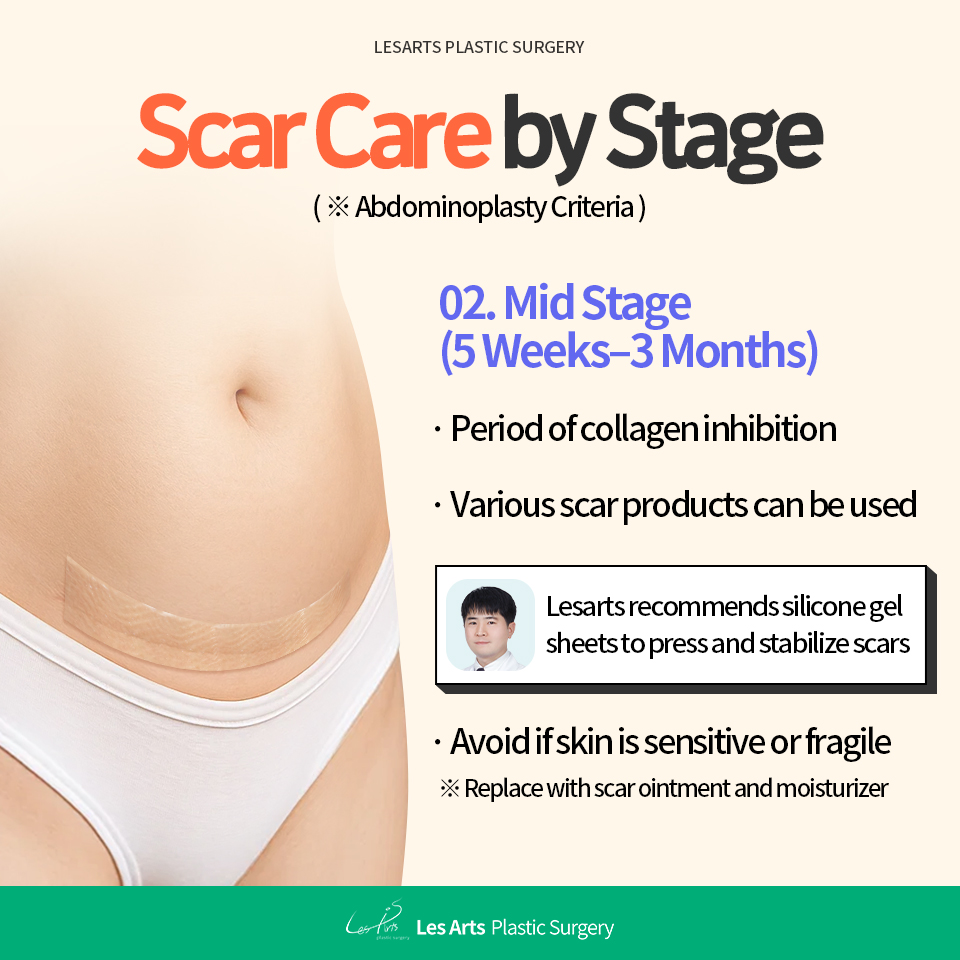
From week 5 through month 3 post-op,
medical-grade silicone gel sheets are actively utilized.
Rather than wearing sheets for prolonged hours immediately, gradually increase wear time while monitoring skin tolerance;
for reactive, sensitive skin types,
silicone gels and emollient barrier creams serve as suitable alternatives.
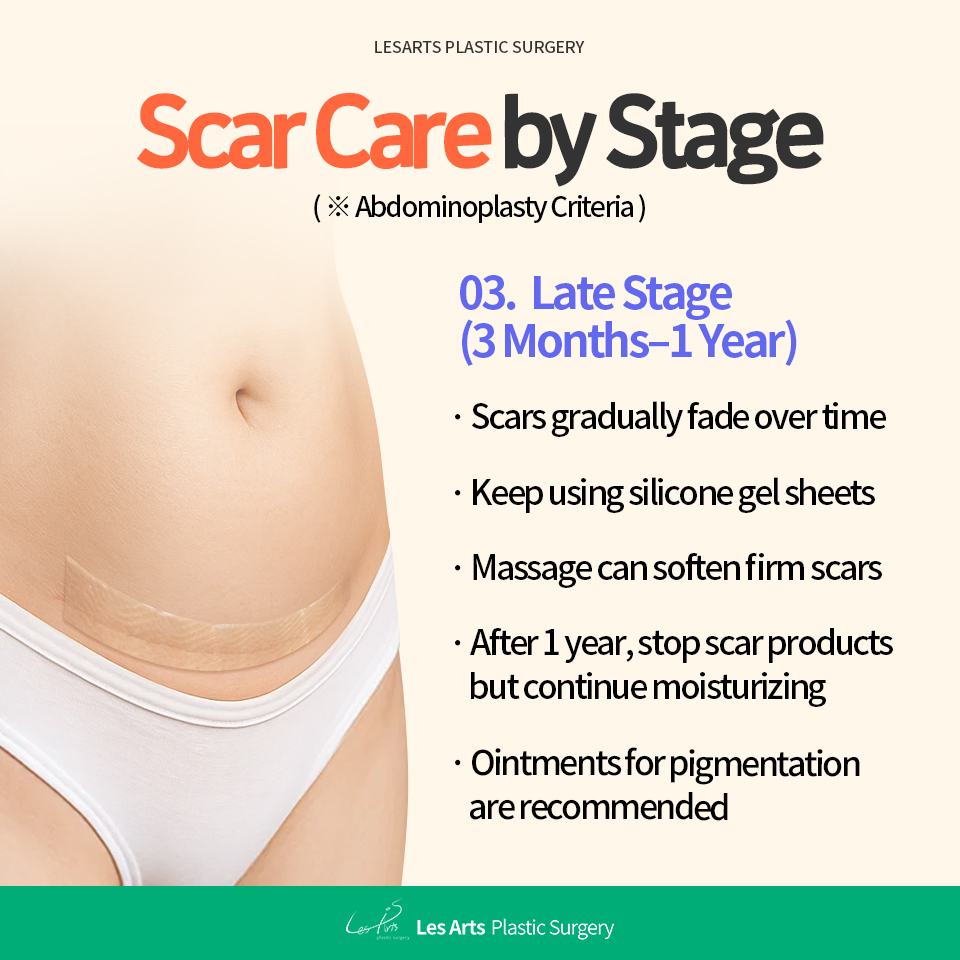
Beyond 3 months, silicone therapy is maintained continuously,
with gentle perpendicular scar massage added for indurated tissue
depending on healing response.
Remodeling transitions most rapidly up to 6 months,
and disciplined management through 1 full year is strongly advocated.
If post-inflammatory hyperpigmentation persists,
targeted lightening topicals are incorporated,
and rigorous hydration alongside UV shielding should continue beyond the first year.
5. Clinical In-Office Scar Treatments
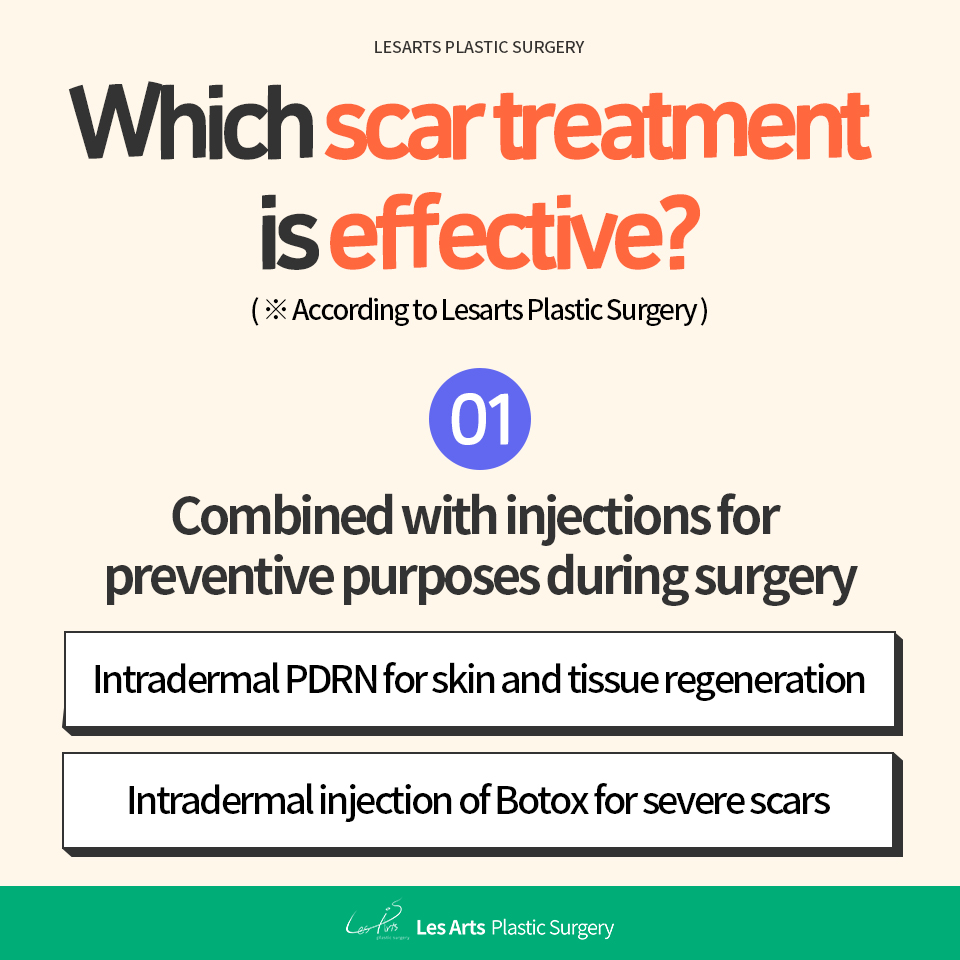
For patients with confirmed keloidal history
or whose wound characteristics indicate high risk for hypertrophic remodeling,
intra-operative prophylactic injectable therapy can be planned.
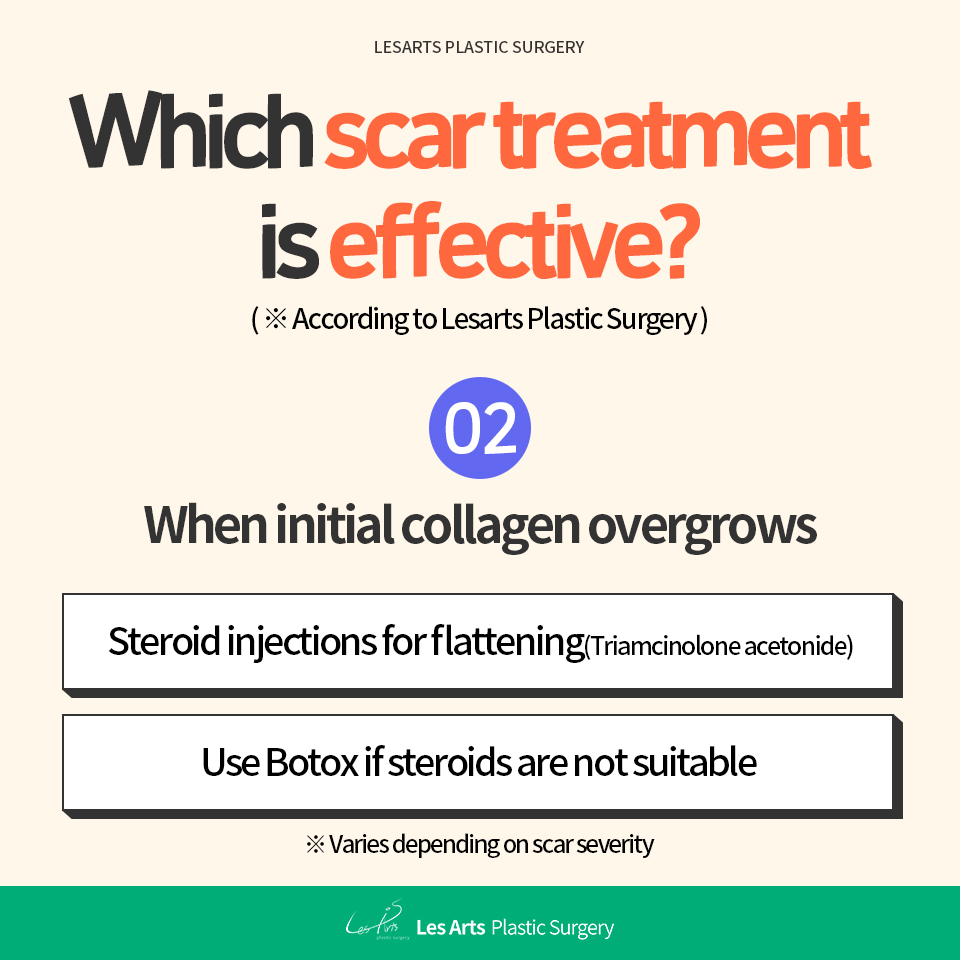
At Lesarts Plastic Surgery Clinic, tailored treatments such as
PDRN (polydeoxyribonucleotide) regenerative injections or micro-dose Botox neuromodulators are selectively utilized.
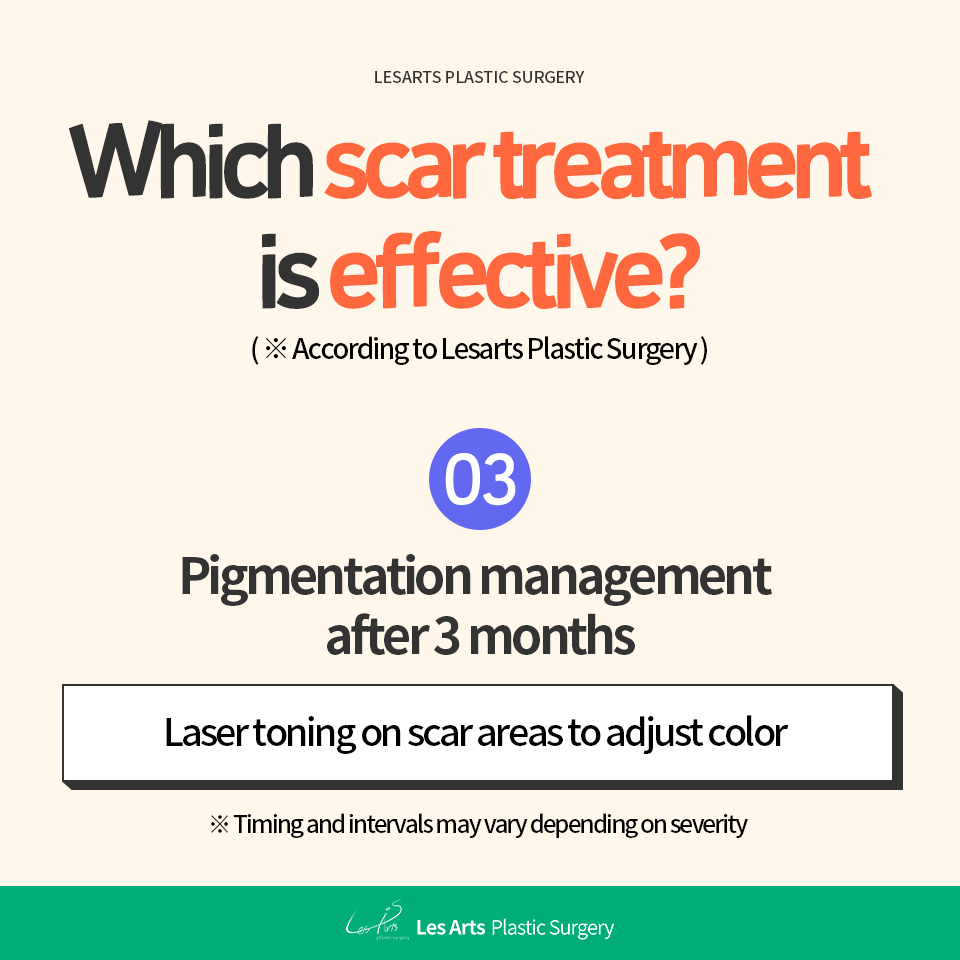
When excessive fibroblastic proliferation causes elevated hypertrophic scar tissue,
intralesional triamcinolone steroid injections or targeted neurotoxin therapy are evaluated;
furthermore, from approximately 3 months post-op, fractional or vascular laser toning
can be initiated to clear persistent microvascular erythema and melanin deposits.
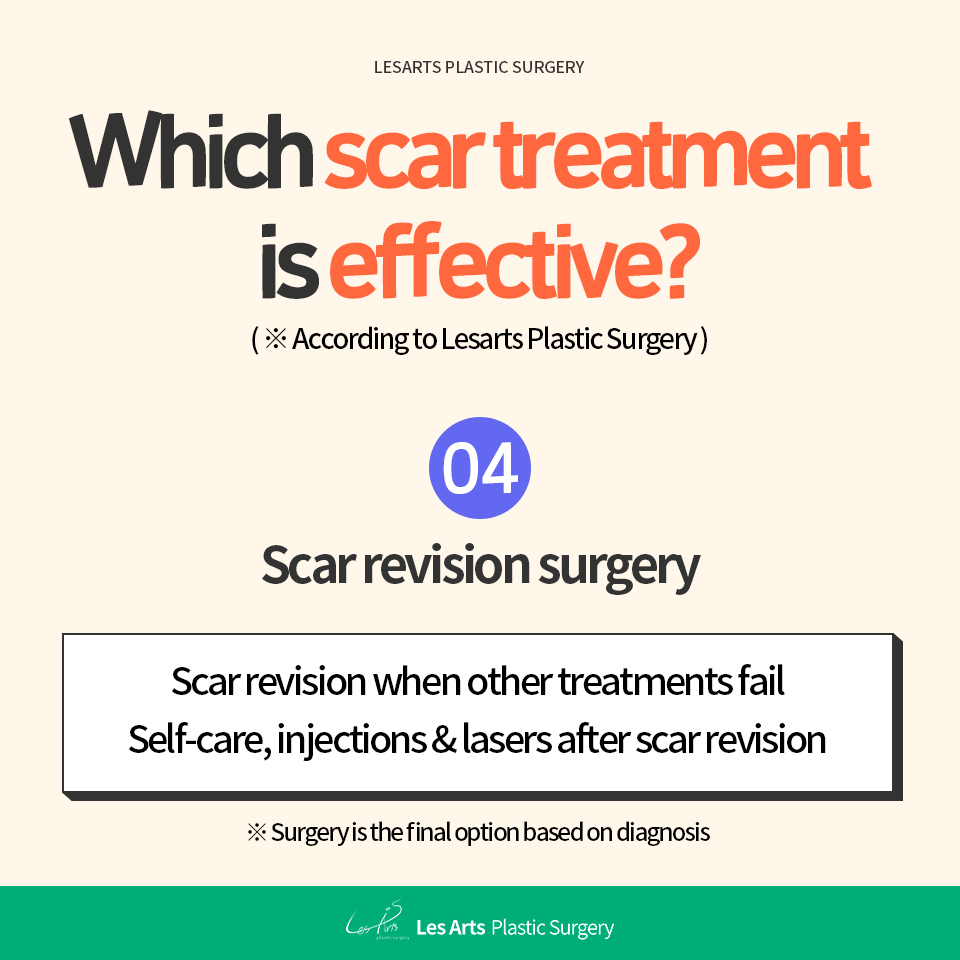
For refractory, widened, or depressed scars unresponsive to injectables and laser modalities,
surgical scar revision is evaluated as a definitive final solution after full tissue maturation.
Even after scar revision, tension-relieving taping, hydration,
and silicone therapy must be consistently maintained.
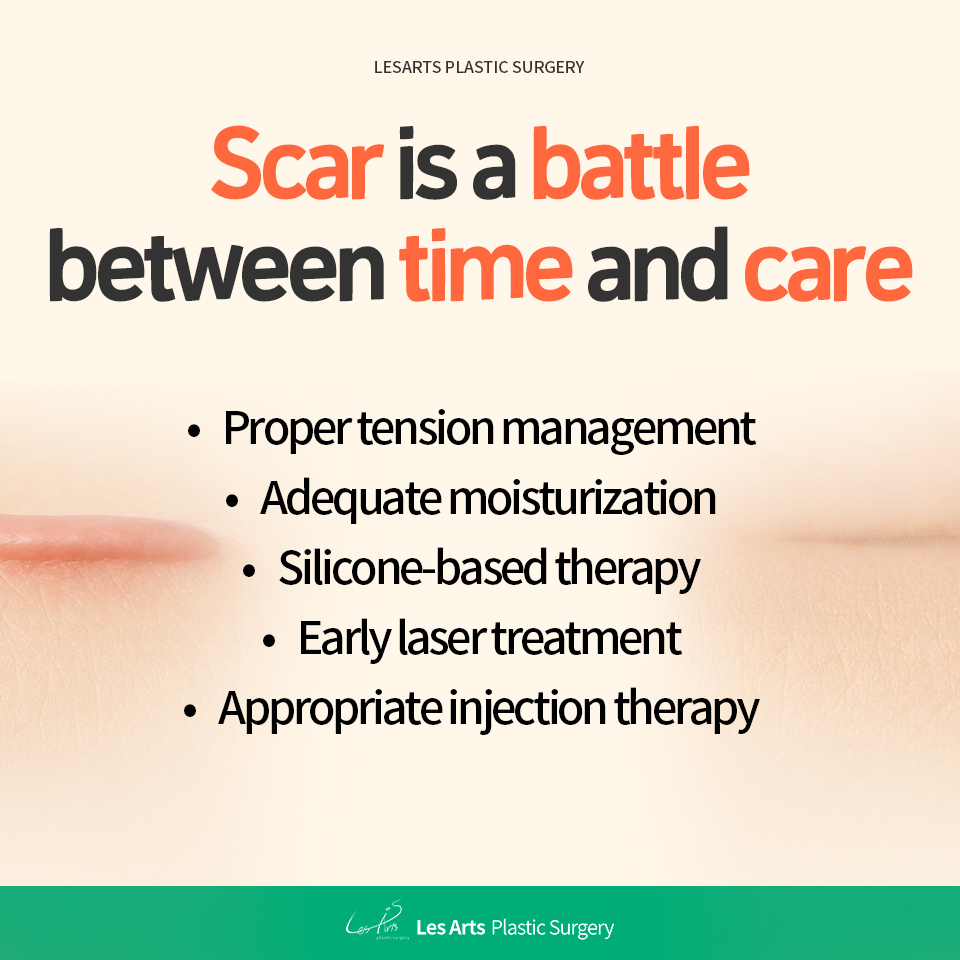
Successful Scar Outcomes Require Both Time and Disciplined Care
A surgical scar is a dynamic, living tissue that gradually remodels over structured physiological phases.
Even if an incision appears erythematous and thickened immediately following surgery, the majority
soften and lighten substantially past the 1-year mark;
nevertheless, a systematically managed scar achieves a vastly superior aesthetic outcome
compared to one left unmanaged over the exact same timeframe.
Always remember the core pillars: tension relief, barrier hydration, silicone occlusion, and timely
laser or injectable therapies when clinically indicated.
Rather than feeling anxious during early post-operative stages when scars appear prominent,
maintain consistent care appropriate for your current healing phase
and allow biological tissue remodeling sufficient time to work.
If your surgical scar continues to thicken or remains firm, raised, and discolored,
we invite you to visit Lesarts Plastic Surgery Clinic to evaluate your scar maturation stage and dermal condition,
and consult on the most effective, personalized scar treatment
tailored to your skin.
Through timely clinical intervention and dedicated aftercare, Lesarts is committed
to guiding you toward the best aesthetic and structural scar recovery possible.
Scar Management FAQ
1. When does a surgical scar look the most erythematous (red)?
Typically between week 2 and month 3 post-op,
during peak collagen proliferation, scars appear most red, elevated, and firm.
2. When should I start applying scar ointments or silicone sheets?
They must only be initiated after the incision has completely closed without open drainage;
the exact start date depends on surgical location and individual healing status.
3. Can raised or keloid-prone scars be improved with injectables?
Depending on clinical presentation, intralesional corticosteroids or Botox injections can effectively flatten and soften tissue;
appropriate regimens are determined after specialist evaluation.
4. When is it safe to begin laser scar treatments?
Depending on tissue healing and skin barrier integrity,
vascular or fractional laser toning is generally considered from approximately 3 months post-op.
5. Can mature, older surgical scars still be treated?
Injectables, laser resurfacing, and surgical scar revision can all be considered;
treatment modalities are customized based on scar location,
thickness, and tissue maturation level.
Dr. Kukhan Lee


Cases finding
similar to my profile
Customer Diagnostics


Select the surgery and
area you are interestedto see real
before andafter changes.


we
make you,
the art
Clinic hours
MON - FRI
10 am – 7pm
SAT
10 am – 4pm
Holiday
SUN, HOLIDAY
Location
Lesarts Moon Clinic Tower 4-5F, 40, Nonhyeon-ro 168-gil,
Gangnam-gu, Seoul, Republic of Korea

Medical institution name Lesarts Plastic Surgery
Address Lesarts Moon Clinic Tower 4-5F, 40, Nonhyeon-ro 168-gil, Gangnam-gu, Seoul, Republic of Korea
Representative Moon sung jun
