




Online Consultation
Please accurately enter the information below.
Quick Cost Consultation
Quick Consultation & Reservation
Cases finding
similar to my profile






Doctor's Note
Medical columns by our surgeons
Thigh Liposuction | Accentuating Natural Pelvic Contours with Thigh & Hip Line Liposuction
2026-08-31
Thigh Liposuction | Accentuating Natural Pelvic Contours with Thigh & Hip Line Liposuction [Doctor's Note by Dr. Yongseung Seo]
Can you reduce thigh fat while preserving your natural pelvic silhouette?
Rather than simply extracting as much fat as possible,
thigh liposuction requires evaluating the native pelvic structure alongside
the transitions between the inner thighs, saddlebags, and hip lines.
Preserving pelvic volume while refining focal fat deposits
in targeted areas helps balance
and harmonize overall lower body proportions.
▶ View Lesarts Thigh Liposuction Cases
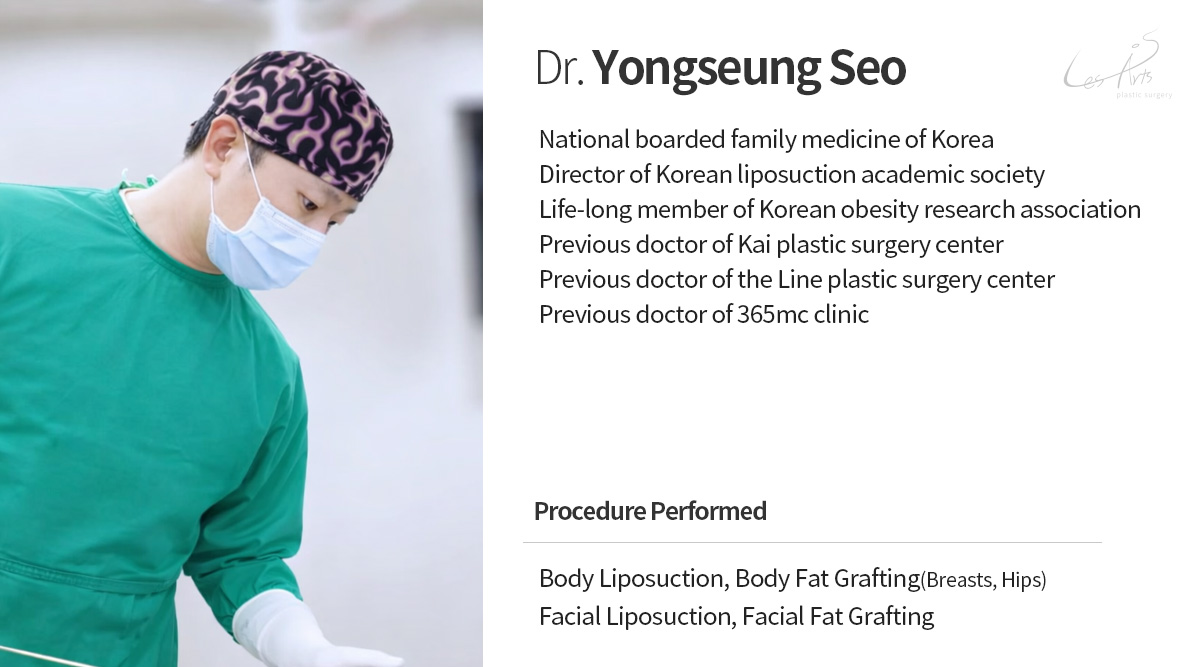
Hello, I am Dr. Yongseung Seo of Lesarts Plastic Surgery.
Even individuals who consistently maintain a slender frame
may experience sudden weight gain during periods
of reduced physical activity or lifestyle changes.
When weight increases, adipose tissue often accumulates disproportionately
in areas like the inner thighs or saddlebags rather than distributing evenly,
altering one's accustomed lower body silhouette.
Even after reducing weight again, volume often depletes first from the face
and upper body, while stubborn fat in the thighs
fails to decrease as desired,
causing ongoing frustration for many patients.
Such localized adipose deposits can be difficult
to refine to an ideal contour
through general weight reduction alone.
In such cases, liposuction serves as an effective approach
to selectively contour problem areas
while preserving the individual's
natural structural assets.
This patient also noticed fullness accumulating in her inner thighs, saddlebags, and hip lines
following recent weight gain, and visited our clinic seeking to refine her lower body
into a feminine, balanced contour while preserving her natural pelvic curve.
[Patient Information]
Age: Mid-20s
Height: 169 cm
Weight: 57.5 kg
BMI: 20.1 kg/㎡
Body Fat Percentage: 29.4%
※ Liposuction outcomes may vary individually
depending on anatomical fat distribution and body frame,
even among individuals with similar physical measurements.
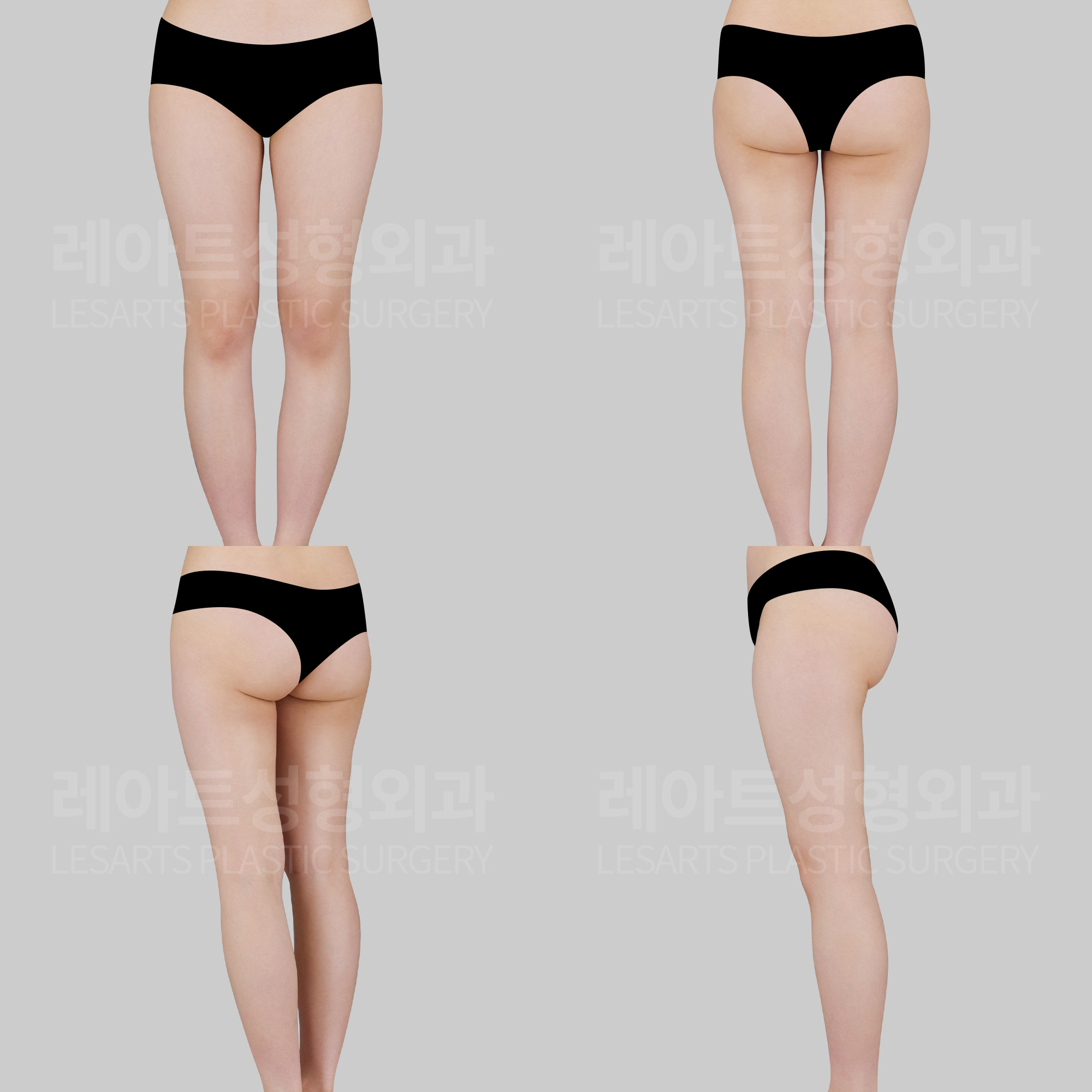
[Preoperative Evaluation for Thigh Liposuction: 169 cm, 57.5 kg]
The patient had previously undergone arm and axillary liposuction
at our clinic and returned to refine her thigh contours
based on her satisfaction with her previous procedure.
While she typically maintained a baseline weight around 53–54 kg,
a recent decrease in physical activity led to modest weight gain,
with adipose accumulation predominantly settling in her lower body.
Although overall fat volume was not excessive relative to her tall frame,
focal adipose deposits were concentrated
along the inner thighs, saddlebags, and infragluteal hip lines.
In particular, along the inner thighs—her primary aesthetic concern—
the mid-thigh showed a slight natural concavity, while fat bulged outward
along both the proximal upper inner thigh and distal knee area.
These irregular contours created an optical effect that made her thighs
appear shorter and heavier than her actual limb length.
Ultrasound evaluation recorded the following subcutaneous fat depths:
- Lateral (Saddlebag): 34 / 25 mm
- Medial (Inner Thigh): 15 / 16 mm
- Anterior: 10 / 11 mm
- Posterior: 7 / 7 mm
- Knee (Medial): 10 / 9 mm
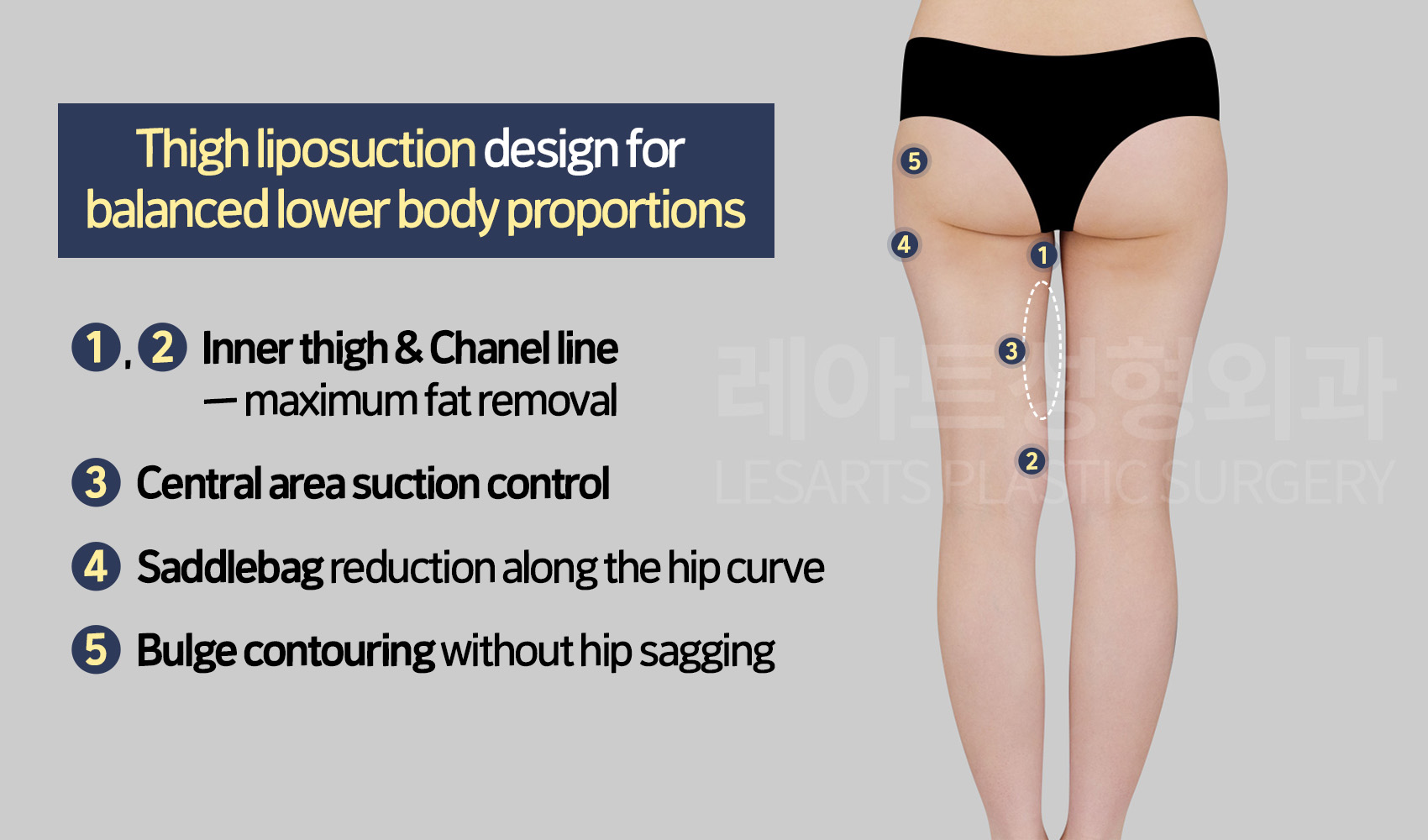
Surgical Design for Thigh Liposuction (Inner Thigh, Medial Knee, Saddlebag, Hip Line)
[Tailored Thigh Liposuction Design for Balanced Lower Body Proportions]
Rather than an excessively straight, tubular silhouette,
the patient wished to preserve her innate pelvic curve
while trimming away only unwanted focal fullness.
Accordingly, taking into account her anatomy and desired aesthetic goals,
the anterior and posterior aspects were excluded from the surgical field,
and the design was centered primarily on her key concern areas: the medial thigh,
medial knee line, saddlebags, and sub-hip contour.
1. Inner Thigh & Medial Knee Line
For the inner thighs, the surgical plan prioritized thorough reduction
of the protruding upper medial fat pad
and the medial supra-patellar knee line.
However, because the middle inner thigh possessed a slight pre-existing depression,
aspirating that zone uniformly would have exaggerated the hollow indentation.
Therefore, a measured buffer of adipose tissue was preserved in the mid-thigh concavity
while smoothing the bulges above and below,
aiming for a clean, continuous line that elongates the leg visually.
2. Saddlebags (Trochanteric Bulge)
The patient was concerned that debulking her saddlebags might diminish
her lateral curve into a flat, straight line.
Fortunately, because her underlying pelvic framework provided natural structural width,
adequate reduction of the saddlebag prominence
would not erase her feminine pelvic curve.
Nonetheless, to honor her goal of highlighting her natural silhouette,
we avoided over-resection and planned a moderate reduction
to contour the trochanteric area in smooth alignment with her pelvic line.
3. Sub-Hip & Infragluteal Line
In the infragluteal zone, excessive aspiration can compromise structural support
and induce buttock ptosis, making calibrated extraction critical.
Rather than aggressive debulking, the approach focused on trimming
localized bulges strictly within boundaries that safeguard against tissue sagging,
carefully respecting individual skin elasticity and gluteal fold architecture.
[Before & After Thigh Liposuction Comparison]
(Photographed 3 months postoperatively under identical lighting and clinical conditions)
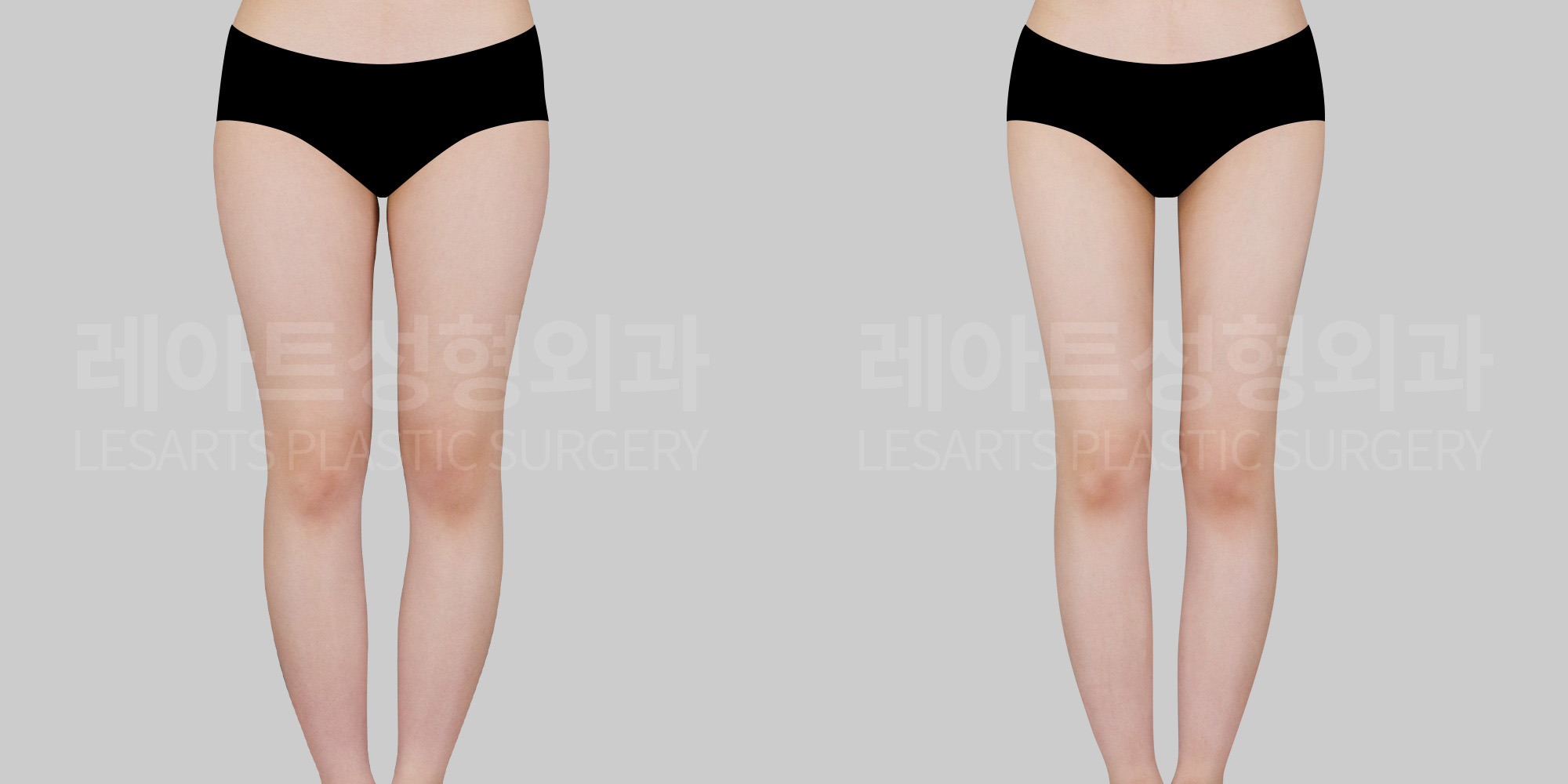
[Thigh Liposuction Before & After - Dr. Yongseung Seo, Lesarts]
Pre- and postoperative photographs were recorded under identical lighting and clinical conditions.
Following surgery, the uneven contours along the inner thighs
have resolved into a smooth silhouette, addressing her main concern.
Previously, the mid-thigh concavity flanked by protruding upper medial fat
and medial knee deposits created noticeable irregularities.
By refining the upper and lower bulges to harmonize with the central concavity,
the inner thigh margin now flows in a clean, straight line.
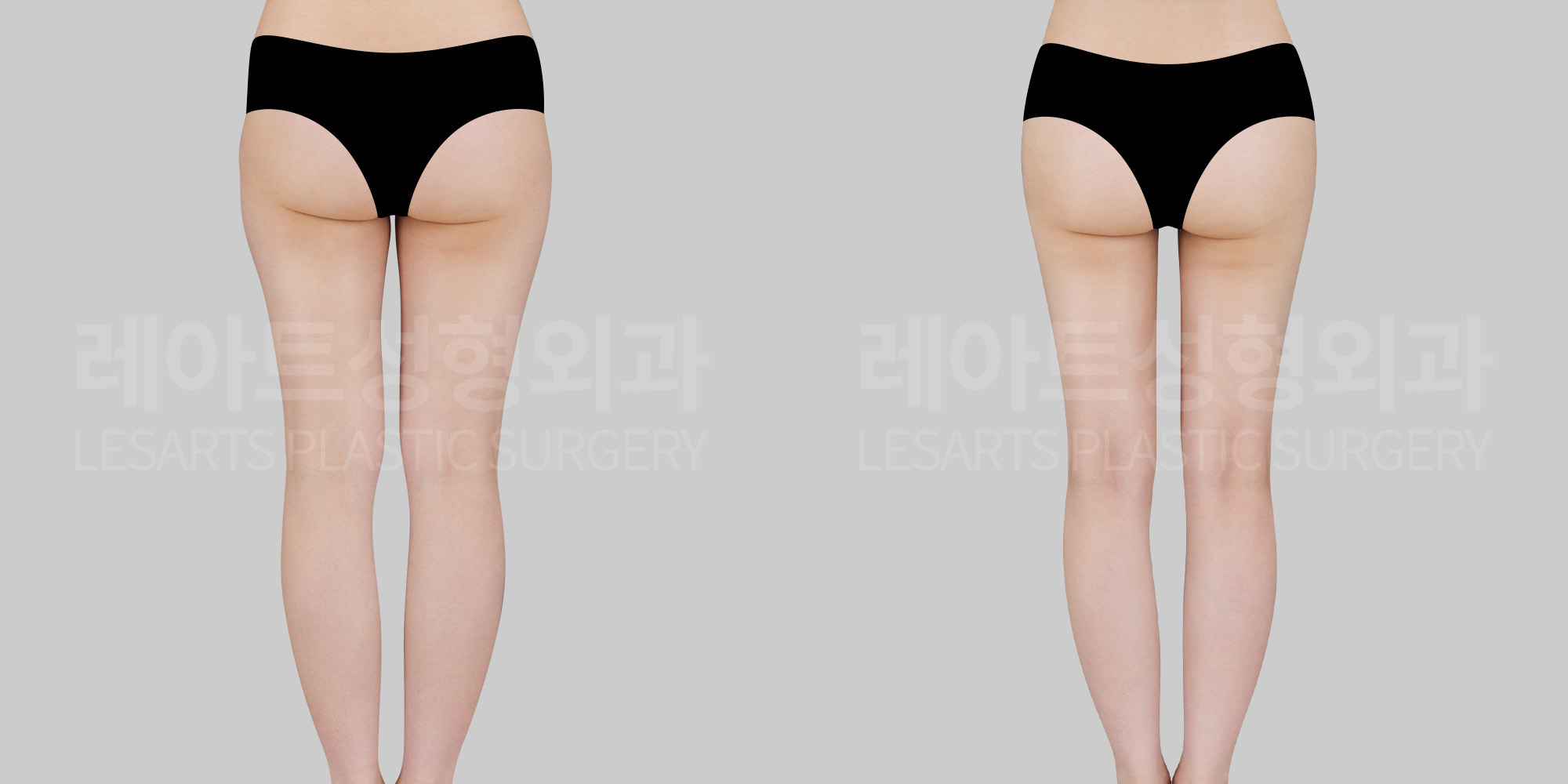
[Thigh Liposuction Before & After - Dr. Yongseung Seo, Lesarts]
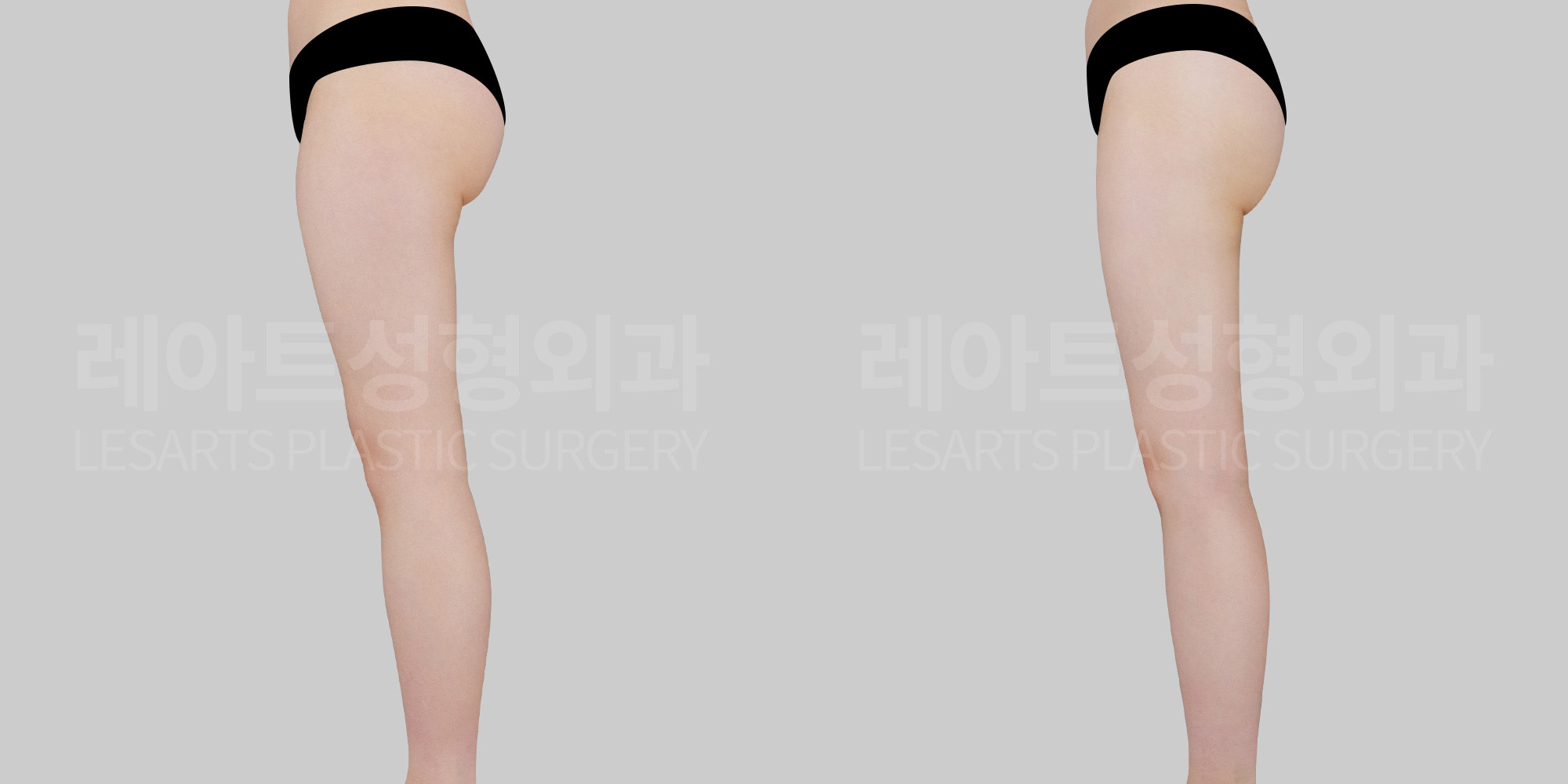
[Thigh Liposuction Body Contouring Outcomes - Dr. Yongseung Seo, Lesarts]
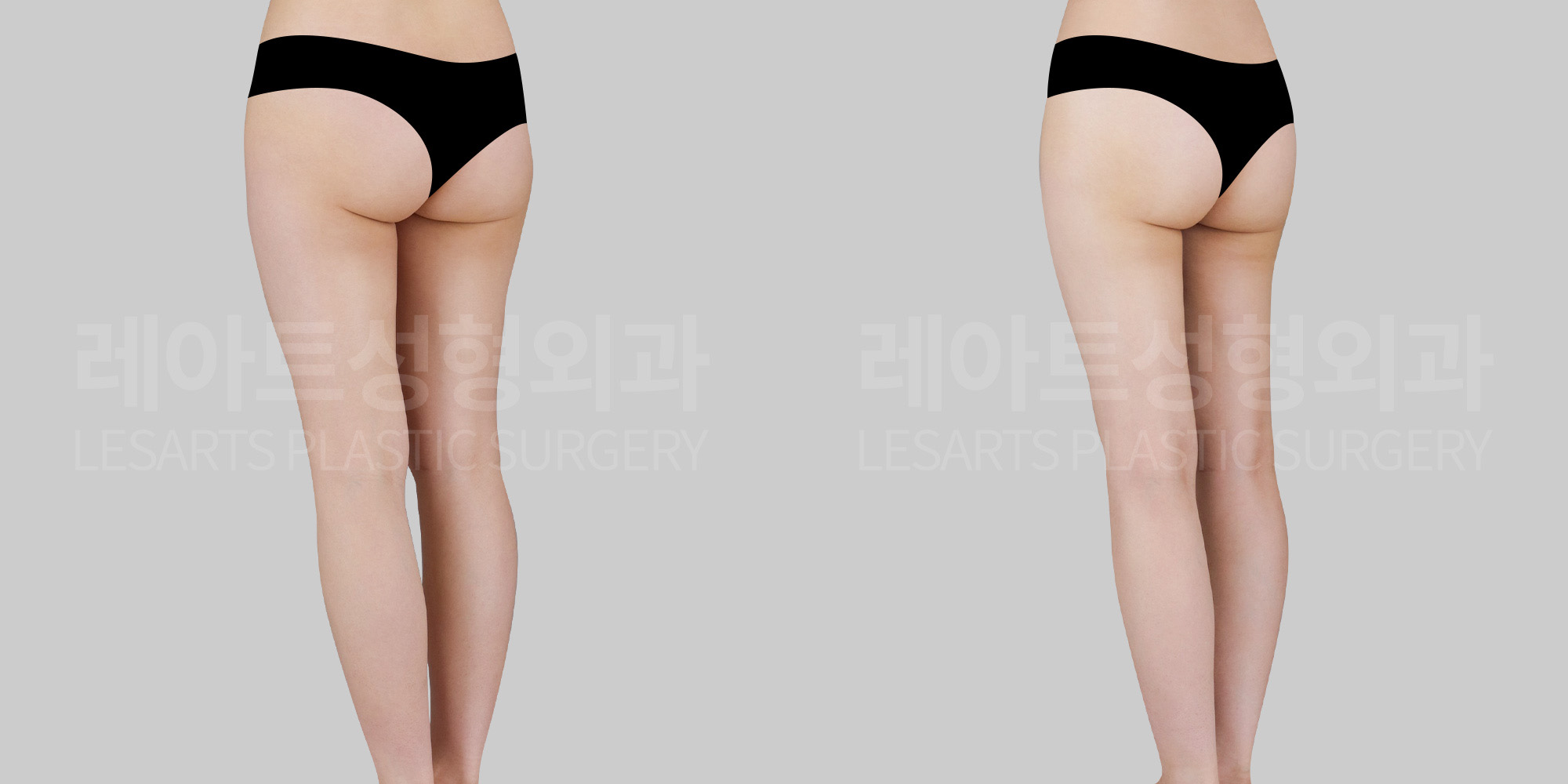
[Lesarts Plastic Surgery Gluteal & Thigh Liposuction Before & After - Dr. Yongseung Seo]
Dr. Yongseung Seo


Cases finding
similar to my profile
Customer Diagnostics


Select the surgery and
area you are interestedto see real
before andafter changes.


we
make you,
the art
Clinic hours
MON - FRI
10 am – 7pm
SAT
10 am – 4pm
Holiday
SUN, HOLIDAY
Location
Lesarts Moon Clinic Tower 4-5F, 40, Nonhyeon-ro 168-gil,
Gangnam-gu, Seoul, Republic of Korea

Medical institution name Lesarts Plastic Surgery
Address Lesarts Moon Clinic Tower 4-5F, 40, Nonhyeon-ro 168-gil, Gangnam-gu, Seoul, Republic of Korea
Representative Moon sung jun
