




Online Consultation
Please accurately enter the information below.
Quick Cost Consultation
Quick Consultation & Reservation
Cases finding
similar to my profile






Doctor's Note
Medical columns by our surgeons
Abdominoplasty | Supraumbilical Wrinkling After Childbirth & Prior Surgery: 4-Month Progress with M-Type
2026-09-04
Abdominoplasty | Supraumbilical Wrinkling After Childbirth & Prior Surgery: 4-Month Progress with M-Type [Doctor's Note by Dr. Kukhan Lee]
If supraumbilical creasing and abdominal protrusion persist together after childbirth, what factors should be evaluated?
Postpartum abdominal changes do not result solely from skin laxity.
Cutaneous redundancy and rectus diastasis from pregnancy and delivery,
scarring and adhesions from previous surgical procedures,
and the regional distribution of subcutaneous fat all interact to shape the abdominal contour.
Therefore, rather than examining any single factor in isolation,
it is essential to assess the skin, musculature, adipose tissue, and pre-existing scars together
before establishing the definitive surgical plan.
▶ View Lesarts Abdominoplasty Clinical Cases
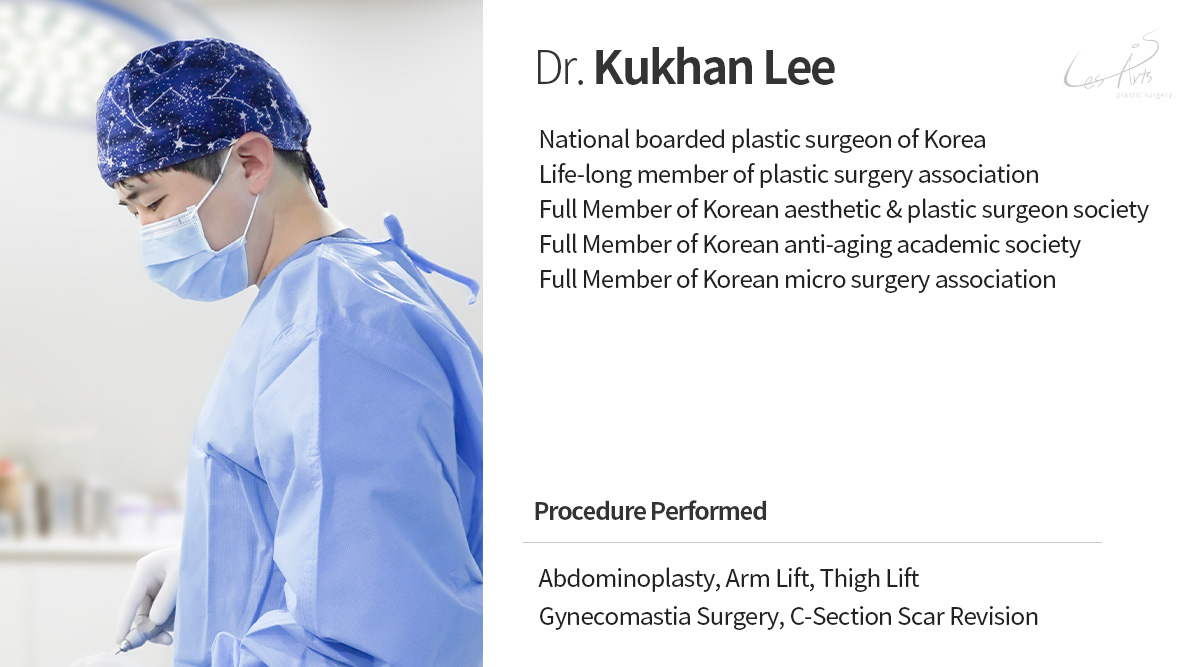
Hello, I am Board-Certified Plastic Surgeon Dr. Kukhan Lee of Lesarts Plastic Surgery.
The contours of the abdomen do not shift solely through simple weight fluctuations.
Pregnancy, delivery, and rapid weight changes, coupled with the structural impact of prior abdominal surgeries,
simultaneously alter the anatomical condition of the skin, adipose layers, and musculature.
When multiple underlying factors interact, relying on diet and exercise alone
faces clear clinical limits in reshaping the abdominal profile.
This patient similarly presented with compound anatomical concerns involving pregnancy, childbirth,
rectus diastasis, and scarring from a previous abdominal surgical procedure.
To correct supraumbilical creasing, cutaneous texture changes, and forward abdominal wall protrusion,
we performed M-type full abdominoplasty alongside abdominal liposuction,
and below we review the clinical progress at 4 months postoperatively.
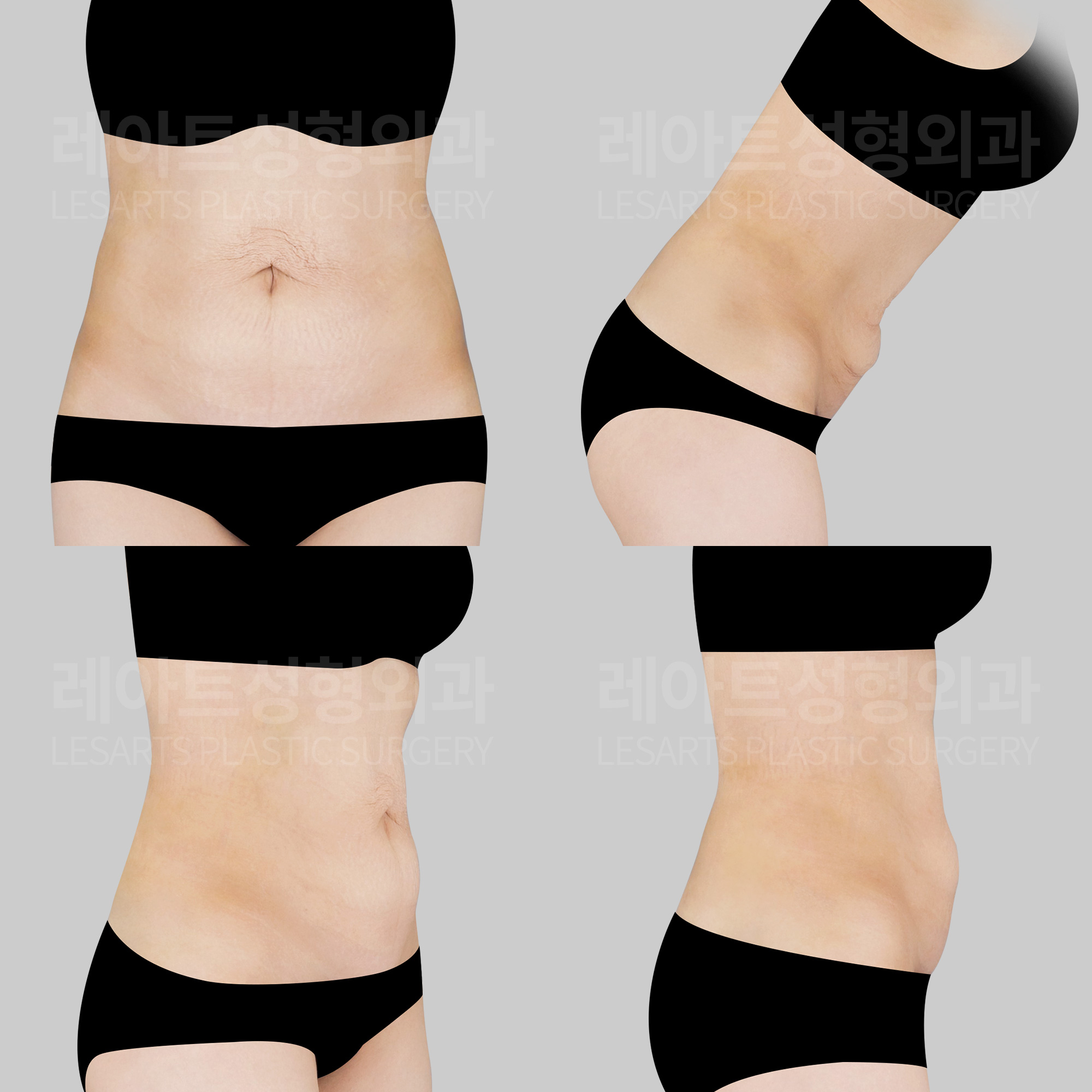
[Preoperative Physical Examination for M-Type Full Abdominoplasty - Lesarts Plastic Surgery]
The patient was a female in her 40s,
measuring 164 cm and 64 kg at initial presentation,
seeking consultation to improve her overall abdominal silhouette.
Her obstetric history included two deliveries,
one via spontaneous vaginal delivery and one via Cesarean section.
During pregnancy, her body weight peaked at approximately 80 kg,
and she had delivered a macrosomic infant weighing 4.6 kg.
Following childbirth, she successfully reduced her weight down to her current baseline
and maintained it with relative stability.
However, she had a history of an abdominal procedure involving a periumbilical incision,
after which she noted that her umbilical morphology had become distorted and flattened.
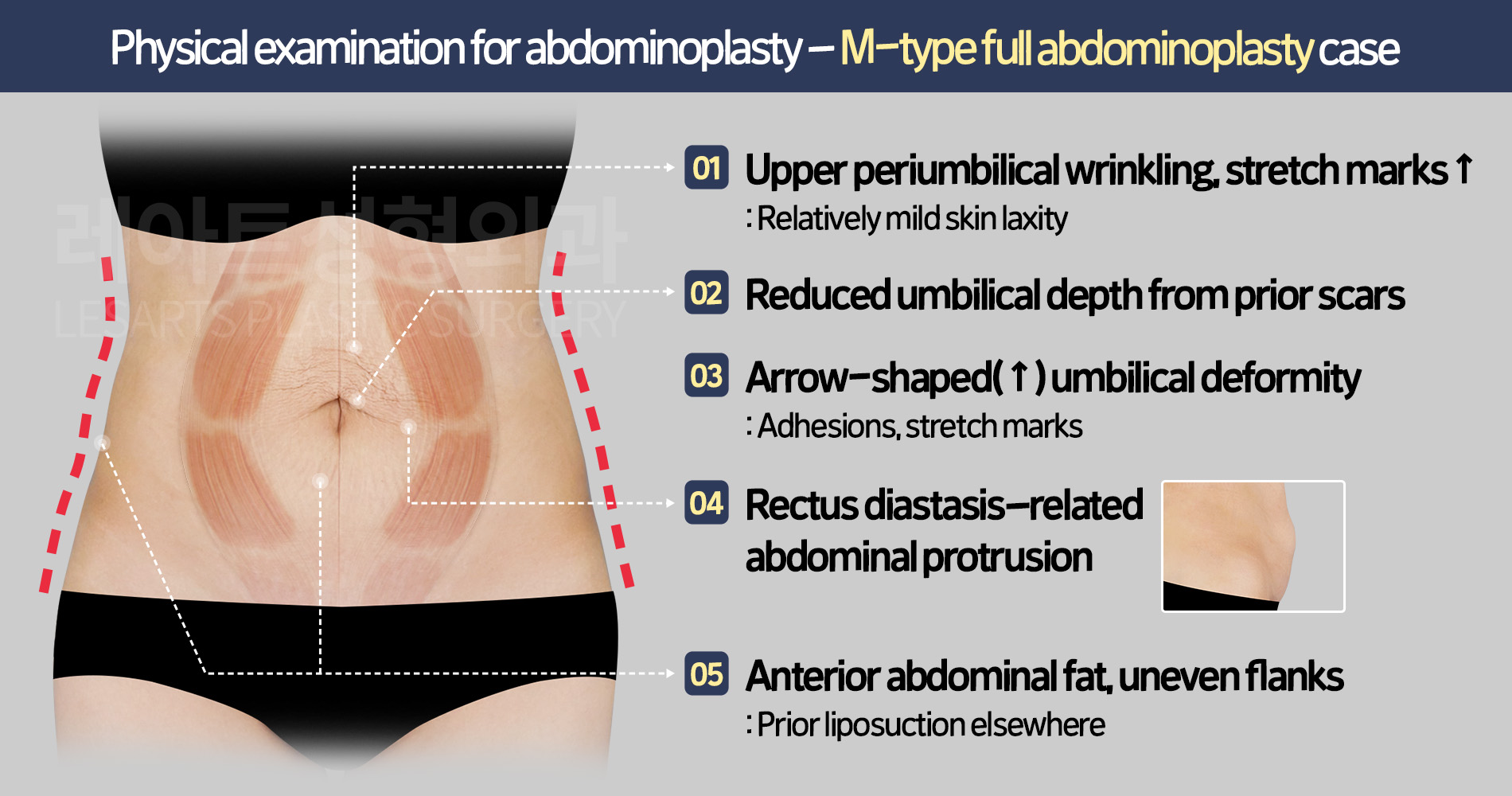
[Preoperative Abdominoplasty Assessment - Lesarts Plastic Surgery]
On physical examination, fine wrinkles and multiple striae distensae were prominent across the supraumbilical skin.
In contrast, gross pendulous skin ptosis itself was not severe.
Rather, reduced cutaneous elasticity combined with widespread stretch marks
formed extensive superficial creasing over the upper abdominal wall.
The umbilicus lacked three-dimensional depth due to pre-existing surgical scar tethering,
and the compounding effect of cicatricial tissue and gestational striae
distorted the navel into an unnatural arrow-shaped configuration.
When the abdomen expands substantially during pregnancy, cutaneous stretching is frequently accompanied
by rectus diastasis (separation of the rectus abdominis muscles).
Particularly when striae are widely distributed above the umbilicus,
evaluating underlying musculoaponeurotic separation is clinically essential.
Palpation confirmed marked rectus diastasis surrounding the umbilicus,
which caused the entire anterior abdominal wall
to bulge outward in a rounded contour.
Subcutaneous adipose tissue was distributed primarily across the anterior abdomen,
warranting concurrent liposuction.
Additionally, prior partial liposuction at another clinic had left subtle lateral contour step-offs,
making concurrent smoothing of these planes necessary during surgical design.
Synthesizing clinical findings, addressing her primary aesthetic concern—
the supraumbilical wrinkling and architectural distortion—
indicated the necessity of an M-type full abdominoplasty.
An S-type mini abdominoplasty would have been insufficient to advance upper abdominal skin downward,
imposing distinct limits on resolving supraumbilical creasing.
However, the central consideration during surgical planning was that
the actual movable skin laxity reserve in the upper abdomen was modest.
While wrinkles and stretch marks made the skin appear heavily redundant on inspection,
the clinical presentation was driven more by diminished dermal elasticity and scar tethering
than by true excess cutaneous surface area.
Consequently, there were inherent anatomical bounds to how far the flap could be advanced inferiorly.
Her prior Cesarean section scar was relatively well-matured,
and the plan aimed to excise that scar concurrently
within the resected tissue template if tissue laxity permitted.
Nonetheless, depending on intraoperative flap mobility,
complete inclusion of the low C-section scar might not be achievable.
We thoroughly counseled her that a new incision line might need to sit superior to the old scar,
which could result in a slightly higher final scar placement.
Following detailed consultation on these anatomical parameters, M-type full abdominoplasty
was performed in combination with targeted abdominal liposuction.
[Postoperative Progress at 4 Months]
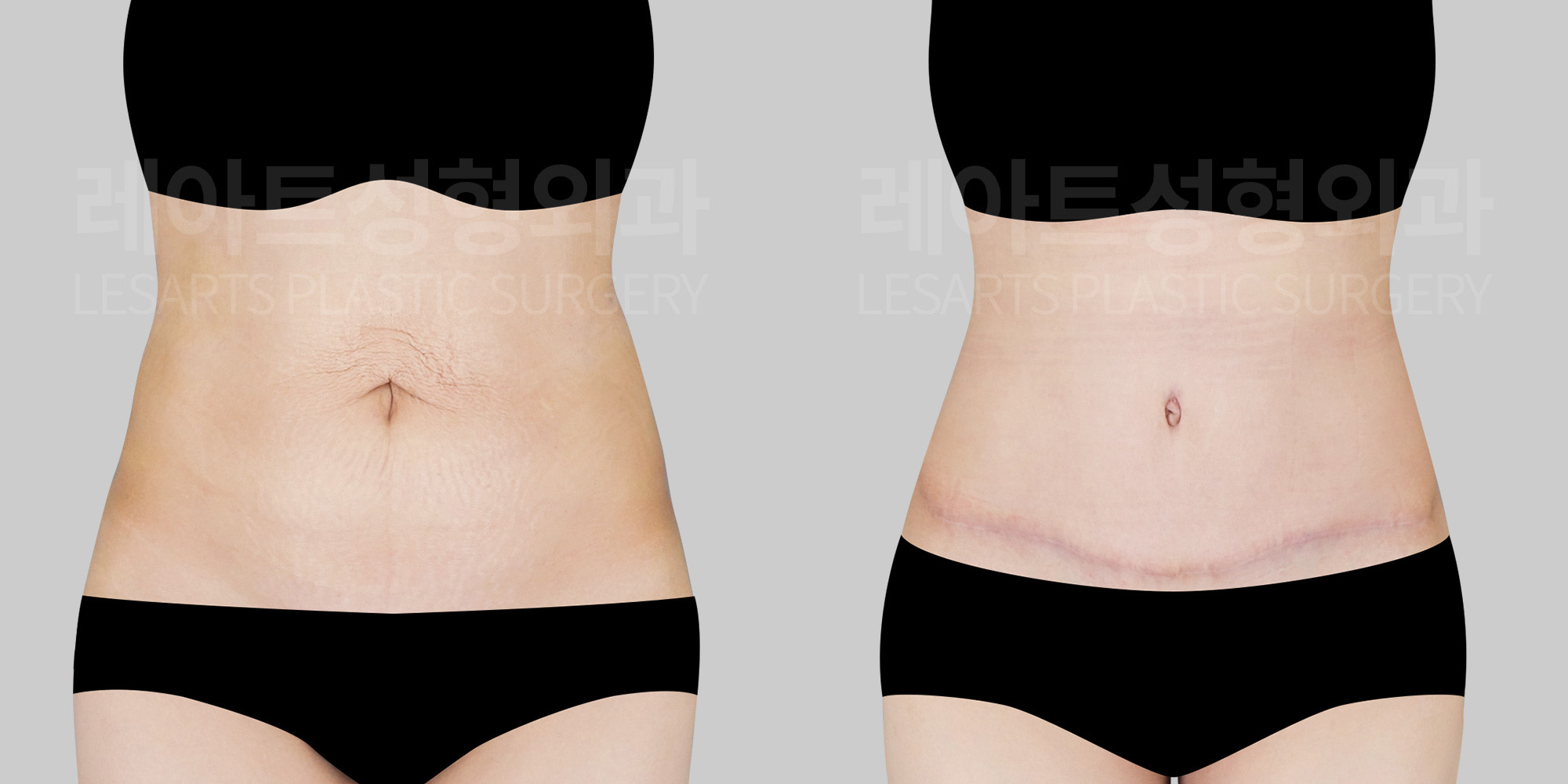
[Improvement of Stretch Marks and Supraumbilical Wrinkling via Abdominoplasty - Dr. Kukhan Lee, Lesarts]

[Skin Laxity Changes Before & After Full Abdominoplasty - Lesarts Plastic Surgery]
The most prominent postoperative transformation is the resolution of supraumbilical creasing and distorted periumbilical tissue.
Intraoperatively, dense cicatricial adhesions surrounding the umbilicus were more extensive than anticipated.
By thoroughly releasing and debulking these scarred planes and advancing the flap inferiorly under appropriate tension,
the upper abdominal wall and periumbilical margins
have smoothed into a continuous, natural plane.
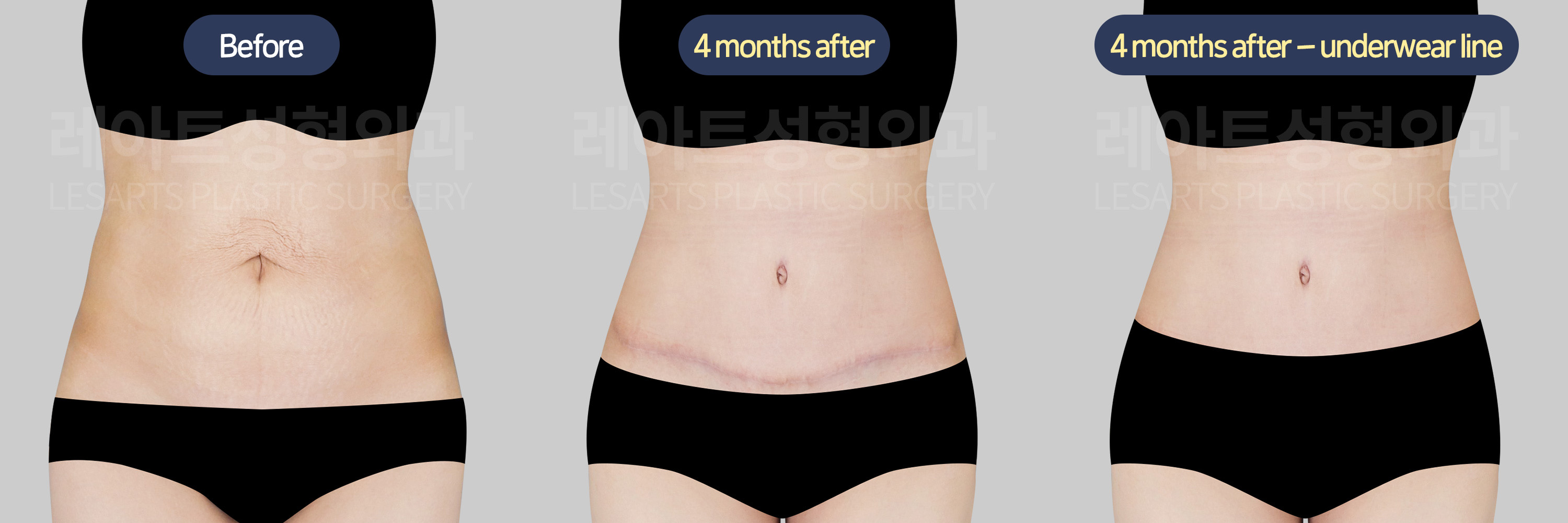
[Incision and Scar Placement in Full Abdominoplasty - Dr. Kukhan Lee, Lesarts]
The final transverse scar position, which was carefully evaluated preoperatively,
has settled into a stable, favorable landmark.
Sufficient flap excursion allowed the pre-existing Cesarean section scar
to be excised completely within the surgical specimen,
and the newly formed abdominoplasty scar was positioned
stably within a low, discreet contour.
At 4 months postoperatively,
the scar is progressing through standard physiological remodeling.
With continued topical regimens and clinical scar maintenance,
the incision line is expected to gradually soften and blend further with surrounding skin tones.
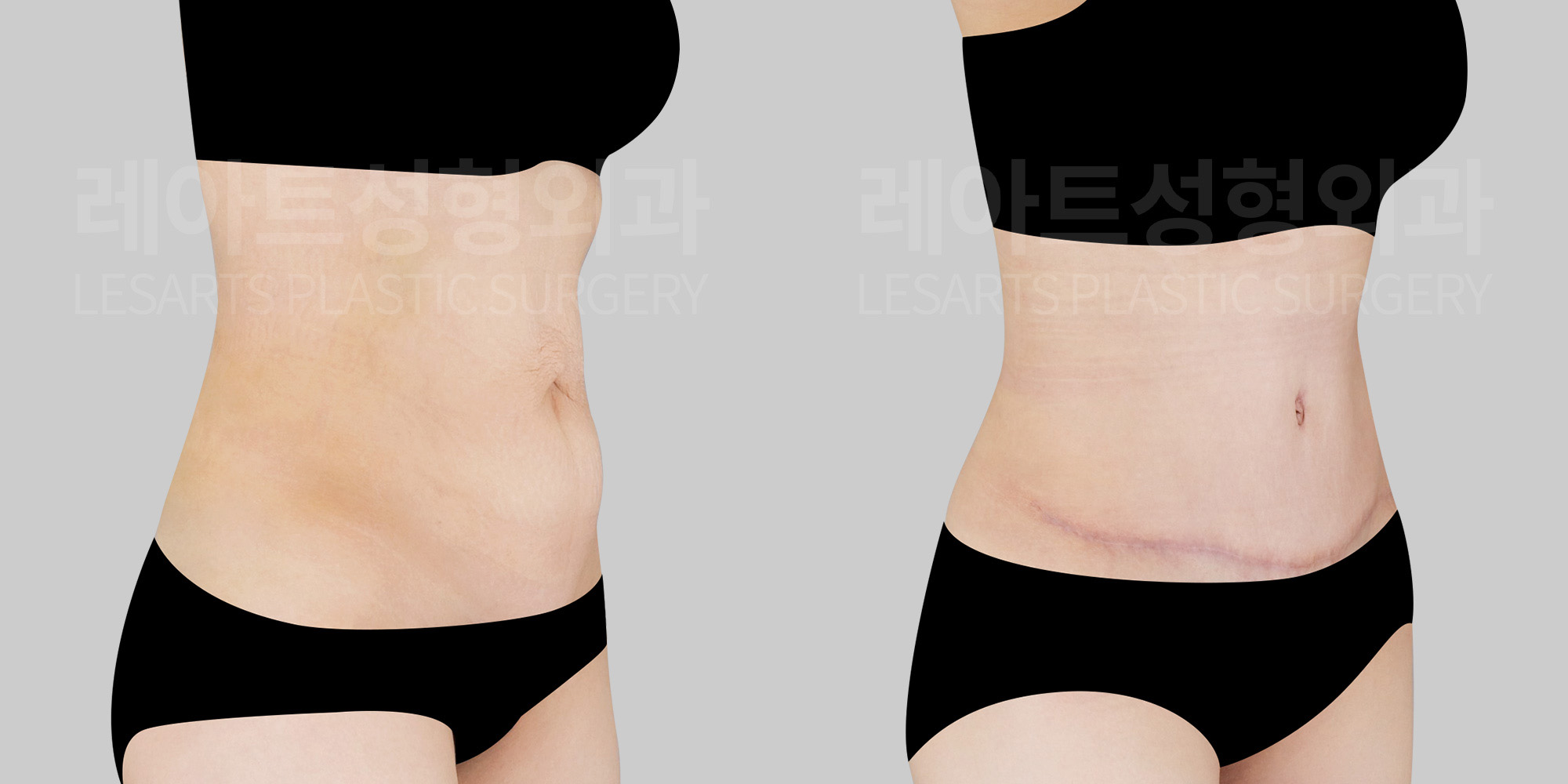
[Improvement of Abdominal Wall Bulging via Abdominoplasty - Dr. Kukhan Lee, Lesarts]
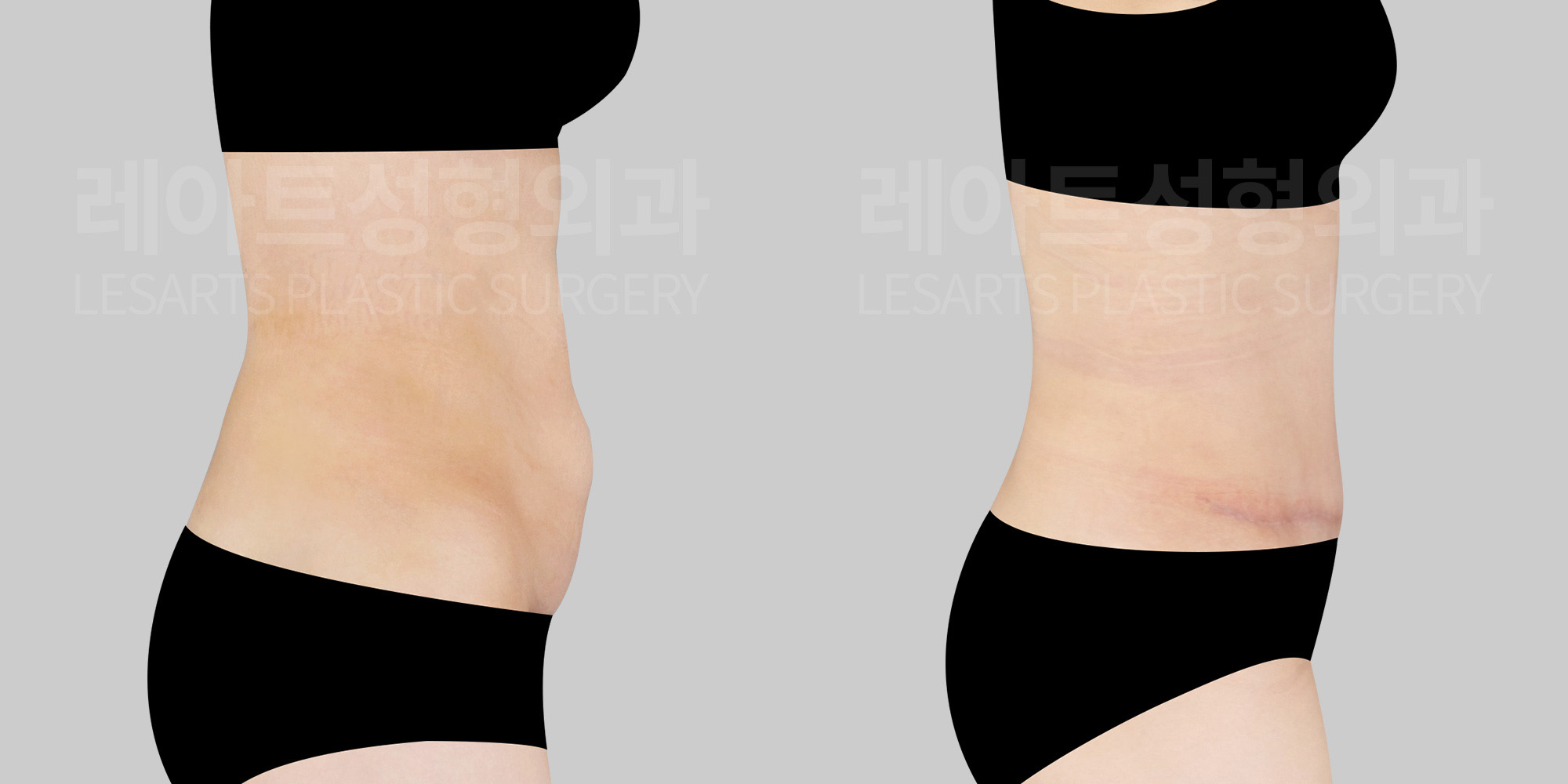
[Before & After Abdominoplasty Differences - Dr. Kukhan Lee, Lesarts Plastic Surgery]
Areas treated with concurrent liposuction also demonstrate noticeable refinement.
The anterior abdominal wall and lateral transitions present a smoother, more unified contour compared to baseline.
Because internal postoperative healing tissue (bio-band) has not yet resolved fully at 4 months,
continued gradual softening and contour settling will progress as physical activity and post-care continue.

[Postpartum Supraumbilical Wrinkle Correction - Dr. Kukhan Lee, Lesarts]
Dr. Kukhan Lee


Cases finding
similar to my profile
Customer Diagnostics


Select the surgery and
area you are interestedto see real
before andafter changes.


we
make you,
the art
Clinic hours
MON - FRI
10 am – 7pm
SAT
10 am – 4pm
Holiday
SUN, HOLIDAY
Location
Lesarts Moon Clinic Tower 4-5F, 40, Nonhyeon-ro 168-gil,
Gangnam-gu, Seoul, Republic of Korea

Medical institution name Lesarts Plastic Surgery
Address Lesarts Moon Clinic Tower 4-5F, 40, Nonhyeon-ro 168-gil, Gangnam-gu, Seoul, Republic of Korea
Representative Moon sung jun
